
Madrid to Valencia Train: Operators, Stations and Booking Guide
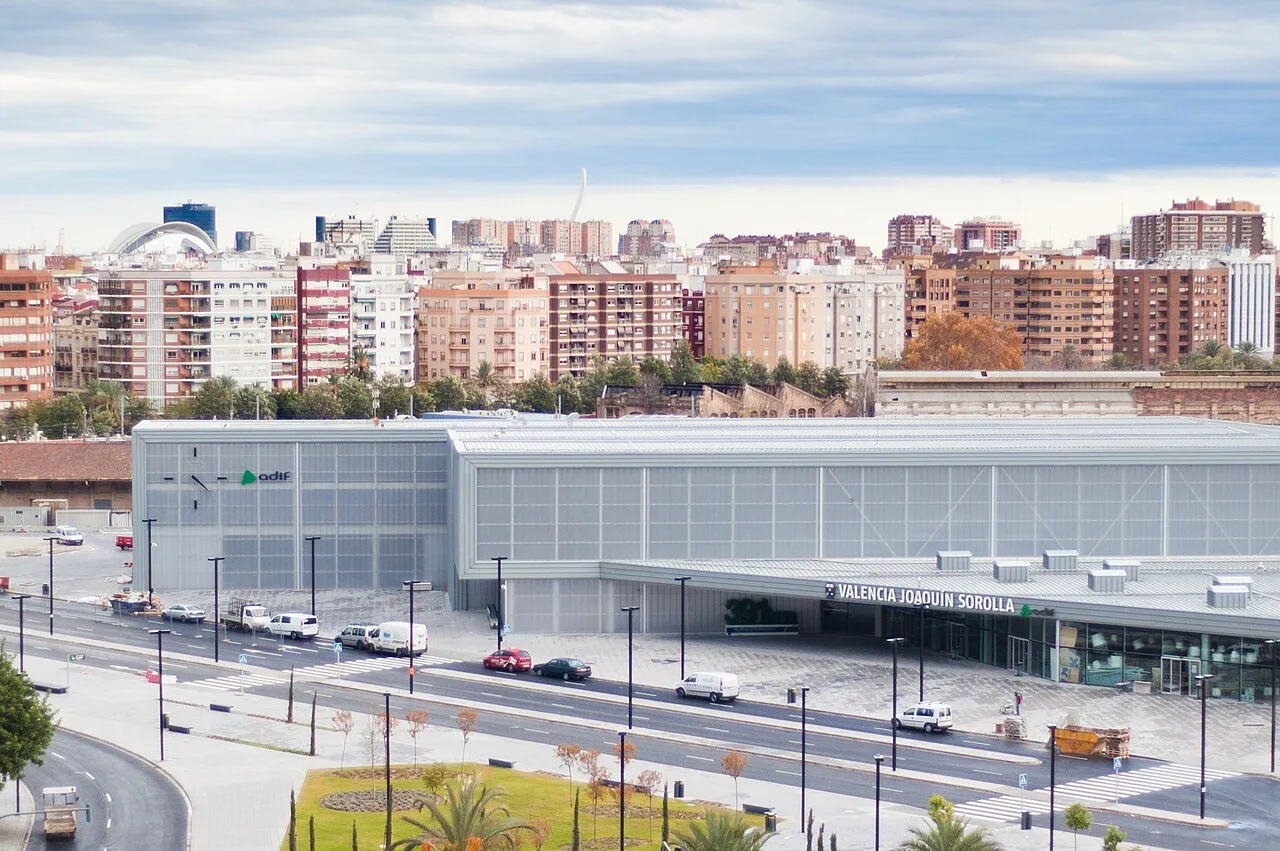
Last updated November 2026. The Madrid to Valencia train is a high-speed link with more than one operator, so the best ticket depends on whether you value price, flexibility or luggage space. Most travelers leave from Madrid Atocha and arrive at Valencia Joaquín Sorolla. This guide shows how to choose between Renfe, iryo and OUIGO and how to handle both stations.
Featured image: freshwater, CC BY-SA 2.0, via Wikimedia Commons.
Madrid to Valencia train at a glance
Here is the short version before the detail. Fares, timetables and journey times change by season, so read each operator's own page for current figures. Our hub on train travel in Spain explains how the wider network fits together.
- Operators: Renfe (AVE and the lower-cost Avlo), iryo and OUIGO.
- Madrid departure: Madrid Atocha is the main station for this route.
- Valencia arrival: Valencia Joaquín Sorolla handles the high-speed trains.
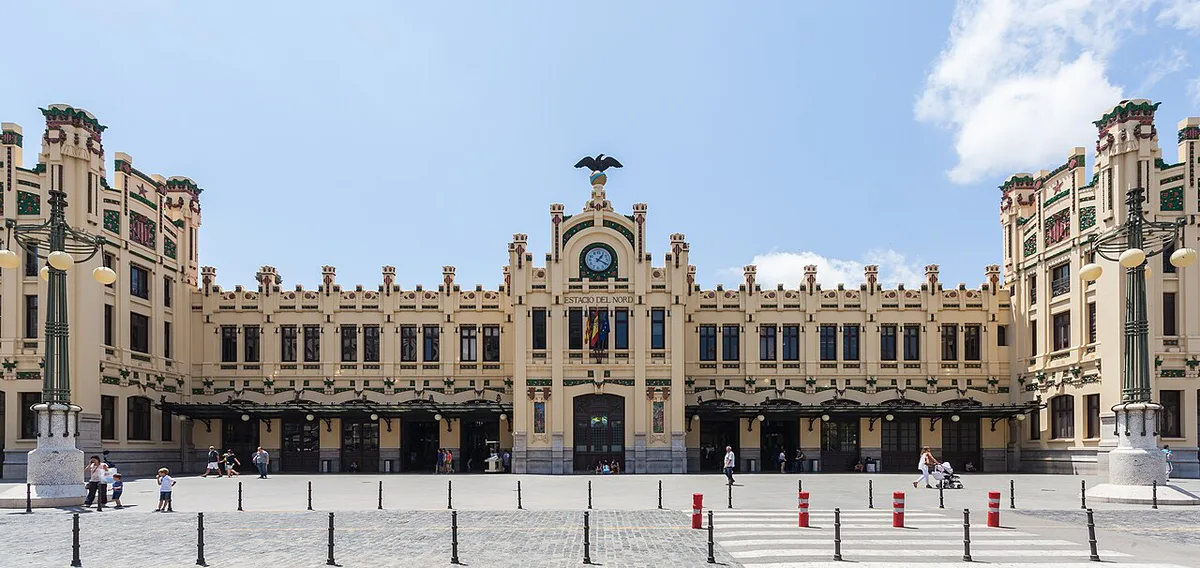
- Valencia Nord: the old central station, used for regional services rather than this route.
- Price level: lower-cost brands are usually cheapest when booked early, and flexible fares cost more.
- Best booking habit: compare all three operators on the same date before you buy.
Which operator should you take on the Madrid to Valencia train?
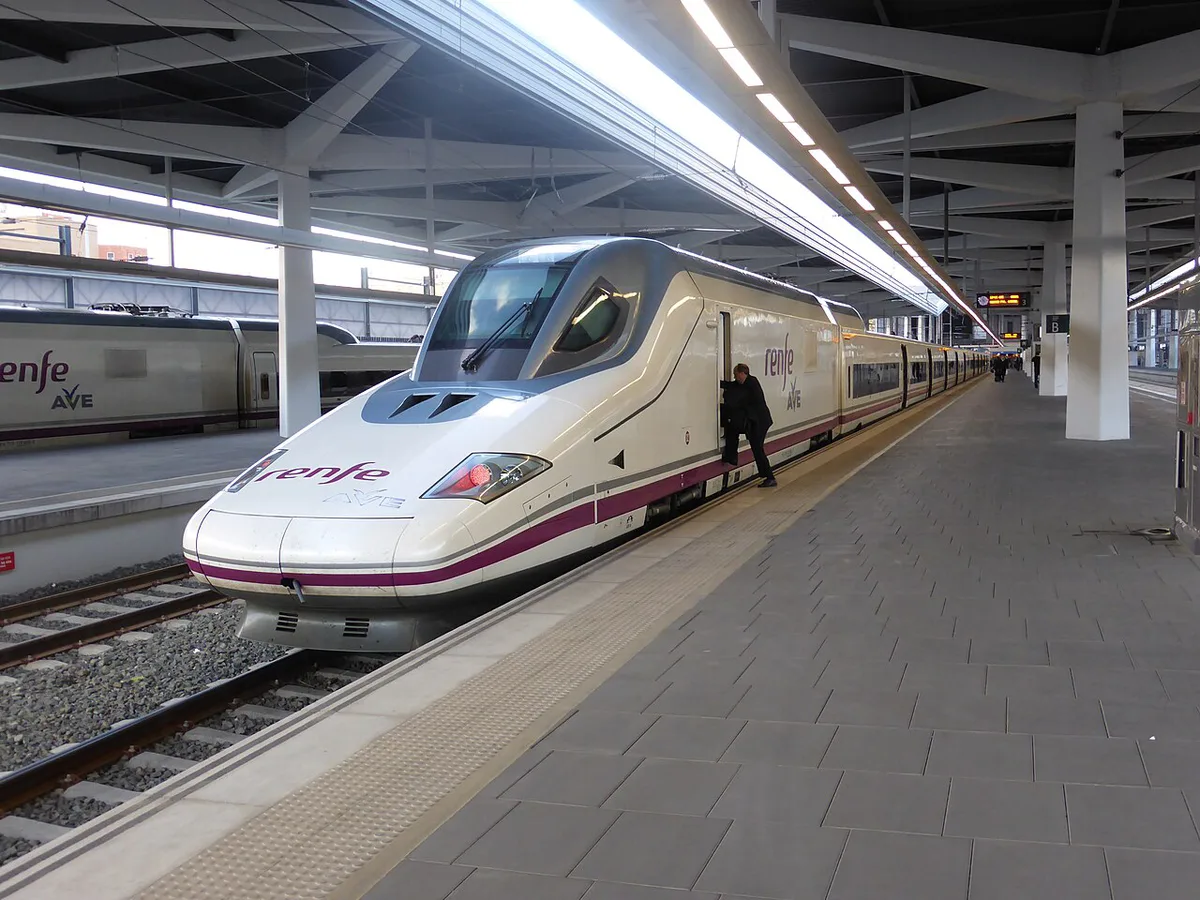
Renfe, iryo and OUIGO all sell tickets on this corridor, and the trade-offs are consistent. Renfe is the incumbent and sells its high-speed AVE service alongside Avlo, its lower-cost brand. Its fares are usually the easiest to change, which suits plans that may shift. OUIGO is the budget-first option, and its fares can be very low when you book early. Extras such as larger bags or seat choice are often paid add-ons, so read the baggage rules on OUIGO's English site before you compare prices. iryo sits between the two, with a private-operator feel and fare tiers that range from basic to flexible. Our full breakdown in Renfe vs iryo vs OUIGO: Which Spain Train to Book? covers the details.
- Budget solo traveler: start with OUIGO or Avlo, and book as early as you can.
- Family with luggage: choose a fare with generous baggage rules, which usually means a standard Renfe or iryo fare.
- Last-minute traveler: compare all three, because remaining seats differ by operator and hour.
- Day-trip traveler: pick the earliest and latest times that suit you, then buy the flexible fare if your plans may slip.
- Tight onward connection: avoid the cheapest fare and take a changeable ticket on a train with spare time.
Stations: leaving Madrid and arriving in Valencia
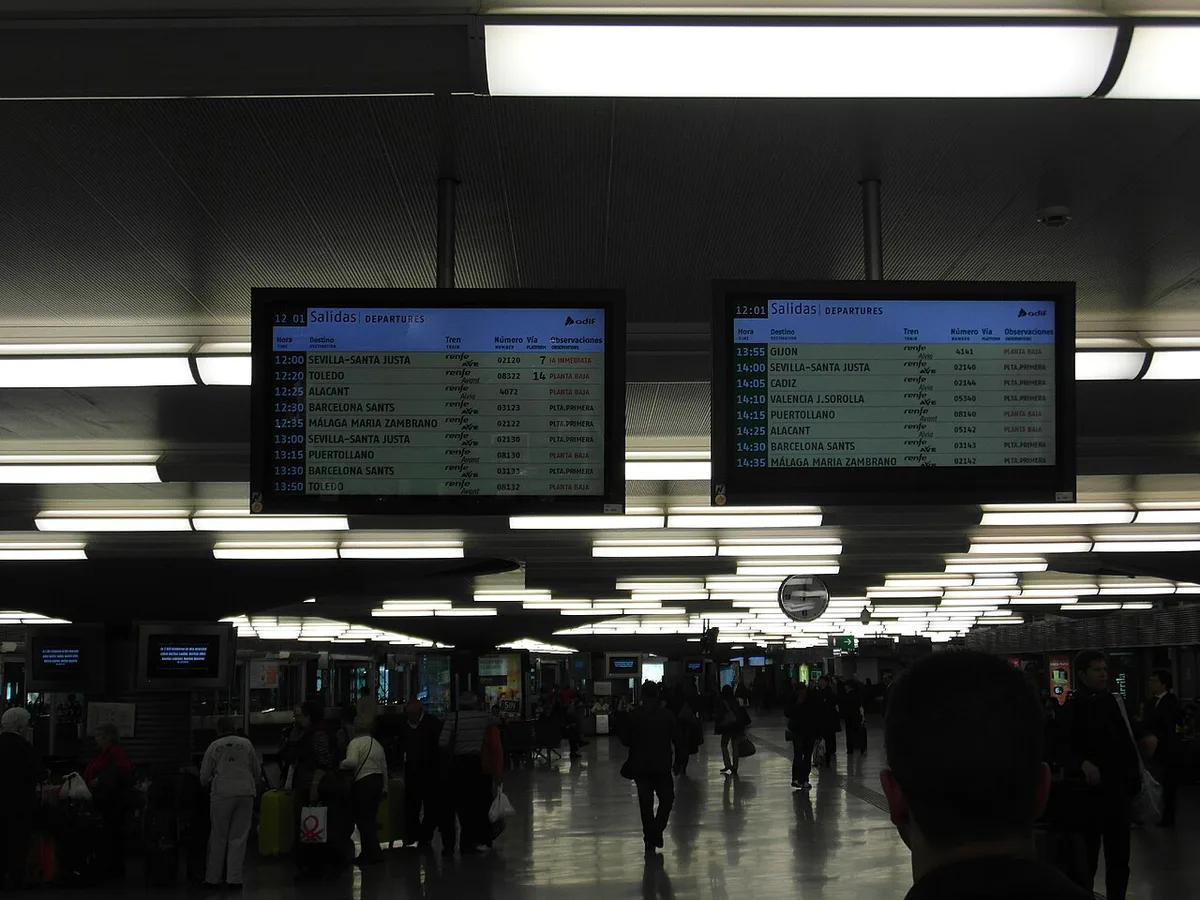
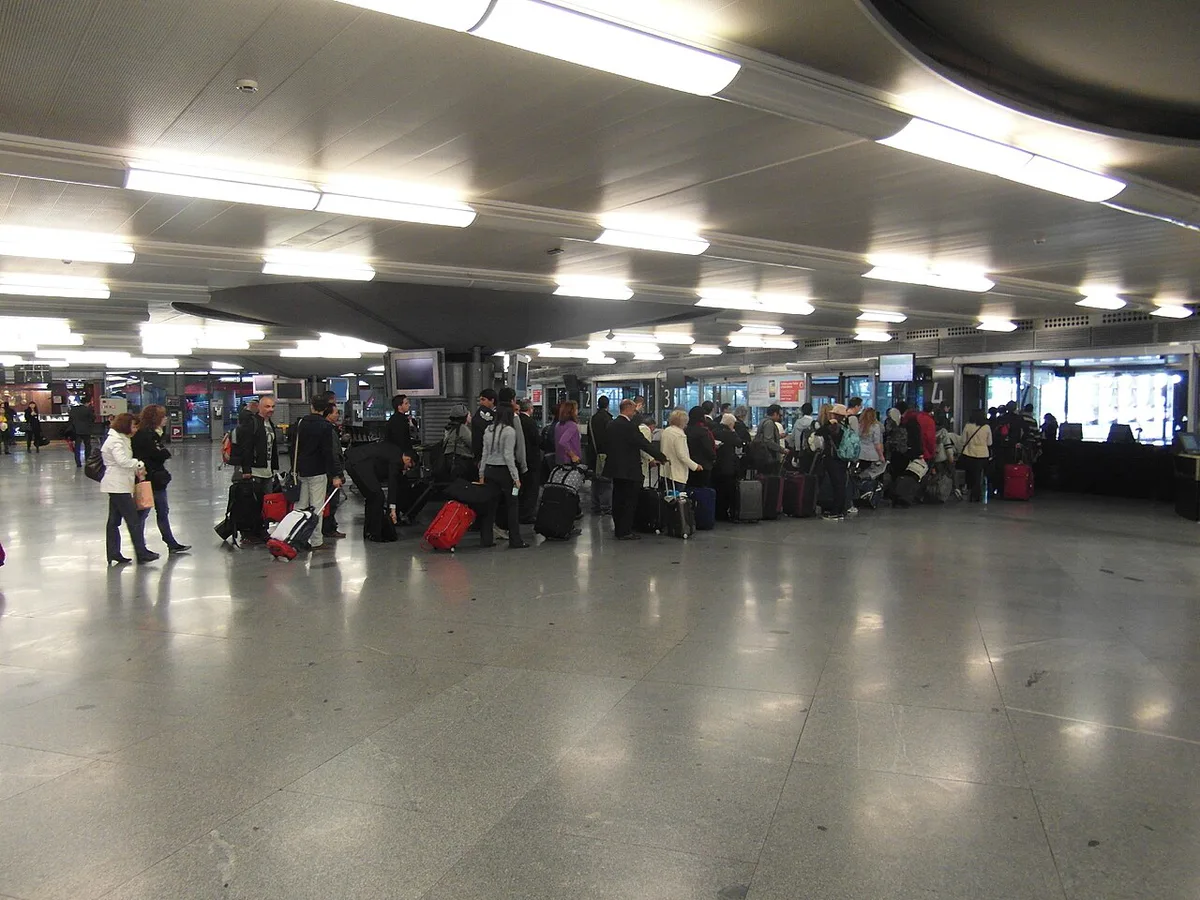
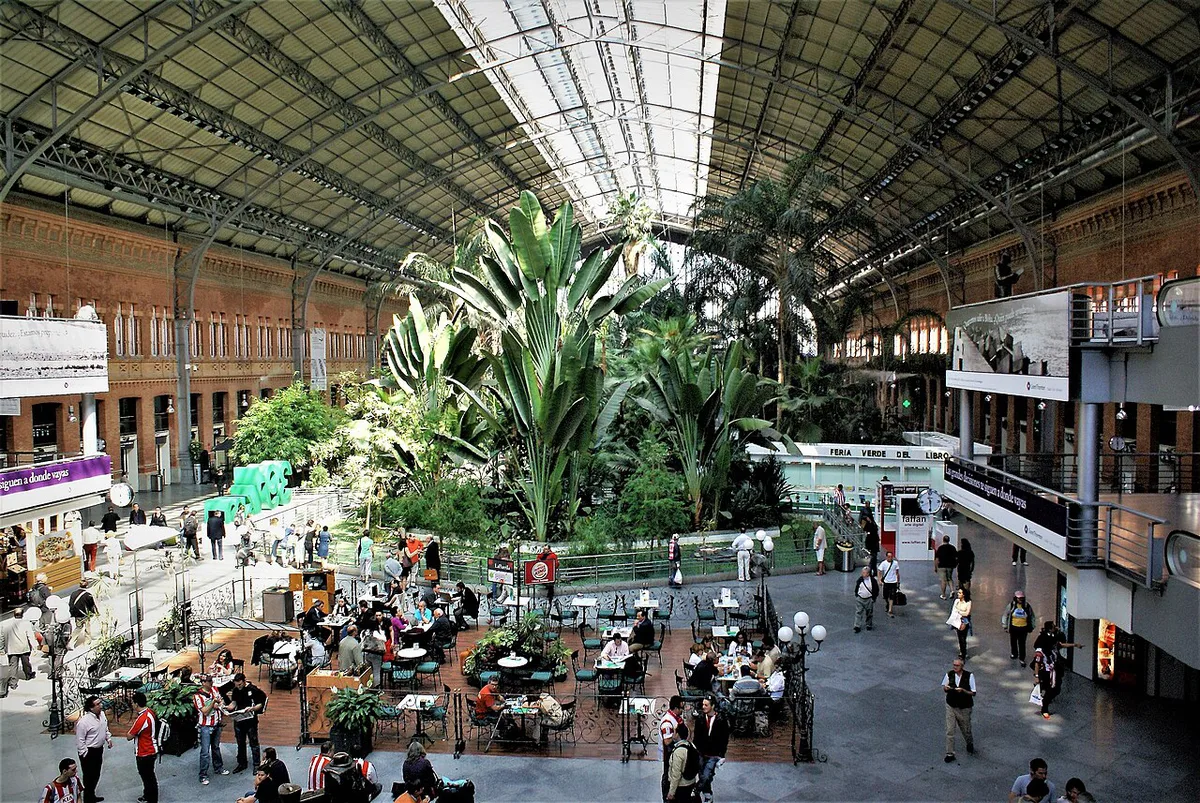
Madrid Atocha is the main departure point, and our Madrid Atocha station guide covers access and layout. Madrid also has a second major station, described in our Madrid Chamartín guide. Check the departure station printed on your ticket, because not every service leaves from the same place. Arrive early enough to clear the security check and find your platform. In Valencia, high-speed trains arrive at Joaquín Sorolla. Valencia Nord is the older central station and mainly serves regional trains, so do not head there for a high-speed arrival. Exact transfer times and timetables are on the Renfe official site.
How to book and when
Book directly on each operator's site or through a ticket seller you trust. Our guide to buying Renfe tickets walks through the process step by step. Sales windows differ by operator, and fares usually rise as seats sell. Basic fares are cheapest but often limit changes and refunds. Flexible fares cost more and let you move the date or time. Read the change and cancellation rules on the checkout page before you pay. Peak periods such as national holidays and summer weekends fill faster, so buy earlier for those dates.
Journey time, frequency and what to expect onboard
The Madrid to Valencia train is one of Spain's quickest city pairs. Most direct high-speed services take roughly 1 hour 40 minutes to 2 hours, depending on the operator and the stops. Trains run from early morning to late evening, and on busy days there are several departures an hour across Renfe, iryo and OUIGO combined. Confirm exact departure times on each operator's site, because timetables shift by season.
Choosing a departure time
- Early trains suit day trips and flights out of Valencia airport, but they sell out first on weekdays.
- Midday trains are usually the easiest to find at a low fare.
- Friday and Sunday evenings are the busiest, so book these well ahead.
Onboard experience
All three operators run modern high-speed trains with air conditioning and luggage racks at the carriage ends. Differences show up in the details:
| Operator | Seating and fares | Food and extras |
|---|---|---|
| Renfe AVE | Standard and higher classes, with the most flexible tickets | Usually a cafe-bar and power sockets at seats |
| Renfe Avlo | One basic cabin at a lower price | Simpler service, so bring your own snacks |
| iryo | Several fare tiers from basic to premium | Snacks and drinks sold onboard, with extras tied to the fare |
| OUIGO | Single cabin, with bags and seat choice sold separately | Food for sale; the cheapest fare includes little |
Budget breakdown
Think of the total cost as ticket price plus add-ons. A low OUIGO or Avlo base fare can rise once you add a large bag, a chosen seat or a flexible change option. Compare the final checkout total across operators rather than the headline price. Journeys this short rarely justify a first-class fare unless you want extra space for work.
Train vs bus, car and flight
The train usually wins on city-center arrival and comfort. This table compares the options in general terms. Check current prices for your own dates.
| Option | Door-to-door effort | Price level | Luggage | Arrival point |
|---|---|---|---|---|
| Train | Low, with city-center stations at both ends | Mid-range, cheapest when booked early | Easy, with bags kept at your seat | Central Valencia |
| Bus | Moderate, with a long road journey | Often the lowest | Easy, with a hold for large bags | Bus station |
| Car | Flexible, but you drive the whole way | Fuel, tolls and parking add up | Most flexible | Parking is a cost in the city |
| Flight | High, with airport transfers at both ends | Varies widely, plus bag fees | Limited by airline rules | Airport outside the city |
Rail pass or single ticket?
For one Madrid to Valencia trip, a single ticket is usually the better choice. Rail passes pay off when you make several long journeys in a short window. Our Spain rail pass guide explains when that math works. Pass holders can also check the Eurail Spain page for coverage and seat-reservation rules before they commit.
Getting around once you arrive
From Joaquín Sorolla you can reach the city center, the beach area and the airport by public transport or taxi. Check the Valencia transit operator's current maps for the exact metro and bus links. A taxi is simplest if you carry heavy bags. Walking is possible for the central areas, but it depends on where you stay.
Planning a longer Spain route
Valencia fits easily into a wider rail trip. Use these routes to build your plan.
- Heading up the coast: read our Barcelona to Valencia train guide.
- Returning north: see our Barcelona to Madrid train guide.
- Continuing south from the capital: try our Madrid to Seville train guide.
- Adding the Costa del Sol: see our Madrid to Málaga train guide.
- Adding Andalusia's Moorish city: see our Madrid to Granada train guide.
Frequently Asked Questions
How do I travel to Valencia from Madrid?
The high-speed train is usually the simplest option. It runs from Madrid Atocha to Valencia Joaquín Sorolla. Compare Renfe, iryo and OUIGO on your date before you buy.
What is the difference between Renfe and AVE?
Renfe is the national rail operator, and AVE is its high-speed train service. Our AVE train guide explains the train types in more detail.
Rail notes for your next trip
Optional updates when our rail guides change.
Related guides

More guides
Picked from the same area