
Barcelona to Seville by Train: Times, Tickets & Tips
Last updated November 2026: a Barcelona to Seville train runs direct on high-speed AVE services from Barcelona Sants to Sevilla Santa Justa, typically in about 5.5 hours. Flying is about 1.5 hours in the air, but airport transfers and security close much of that gap. Here is how the options compare, how to book, and which station details matter on the day. Our Spain train guide covers the wider network.
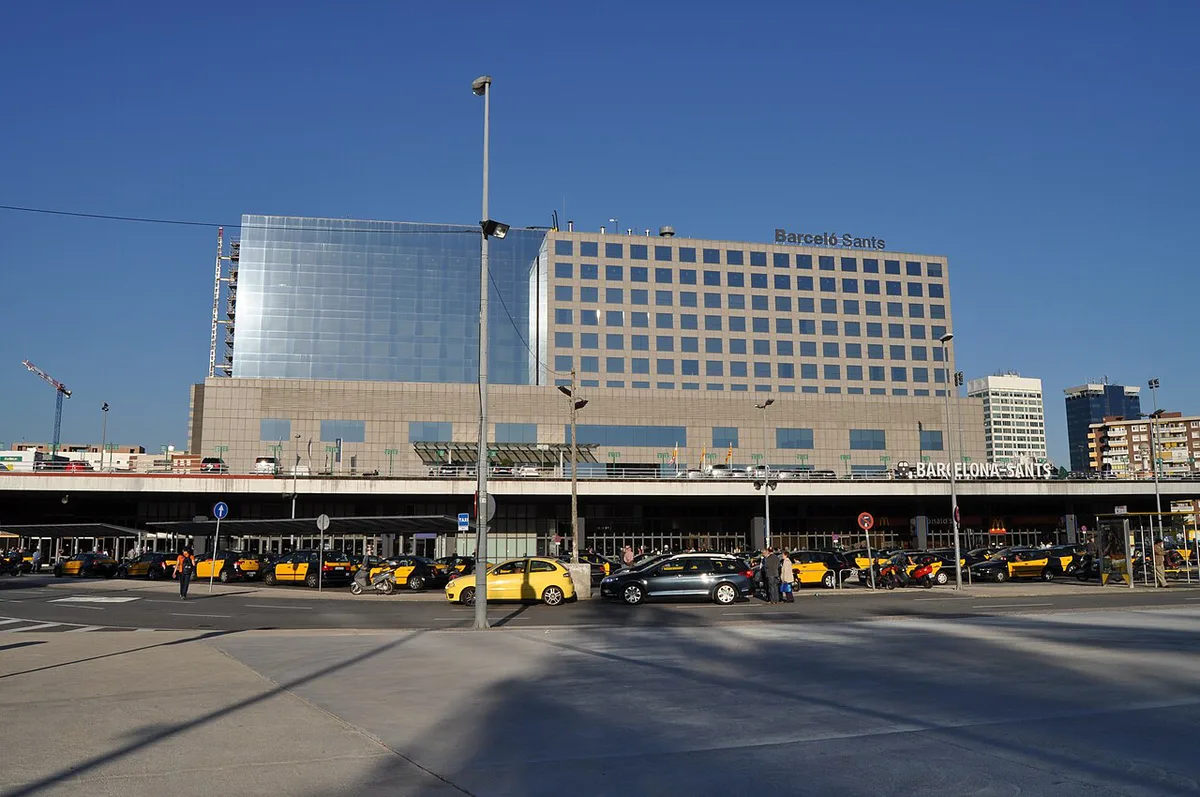
Featured image: IngolfBLN, CC BY-SA 2.0, via Wikimedia Commons.
Barcelona to Seville by train at a glance
Direct services link the two cities via Zaragoza, Madrid and Córdoba. The distance is roughly 1,000 km, and a typical direct journey takes 5 to 6 hours depending on the service. Timetables change by season, so read the current schedule on the Renfe official site before choosing a date.
- Route: Barcelona Sants to Sevilla Santa Justa, direct or with a change in Madrid.
- Journey time: about 5.5 hours on a high-speed AVE service.
- Train type: AVE high-speed, reserved seats only.
- Best for: travelers who want city-centre stations and no airport overhead.
Train, plane, bus or car: which is best?
Flying takes about 1.5 hours, the train 5 to 6 hours, a bus 11 to 12 hours and driving 8 to 9 hours. Flight time is not door-to-door time, because you add the airport transfer, check-in and security. The train leaves from and arrives at stations in each city, so overhead is smaller.
| Mode | Typical travel time | Cost level | Flexibility and luggage |
|---|---|---|---|
| Flight | About 1.5 hours in the air, plus airport overhead | Varies widely, can be low if booked early | Baggage fees on many fares, strict check-in |
| High-speed train | 5 to 6 hours station to station | Mid to high, cheaper when booked early | Generous luggage, flexible fares available |
| Bus | 11 to 12 hours | Lowest | Luggage allowed, least comfortable |
| Car | 8 to 9 hours | Fuel, tolls and parking add up | Most flexible, but tiring for one driver |
- Choose the train if you want central stations, space for luggage and a day you can work or read.
- Choose the flight if your priority is the shortest total time and you have only hand luggage.
- Choose the bus only if budget matters more than a full travel day.
Which trains run on this route
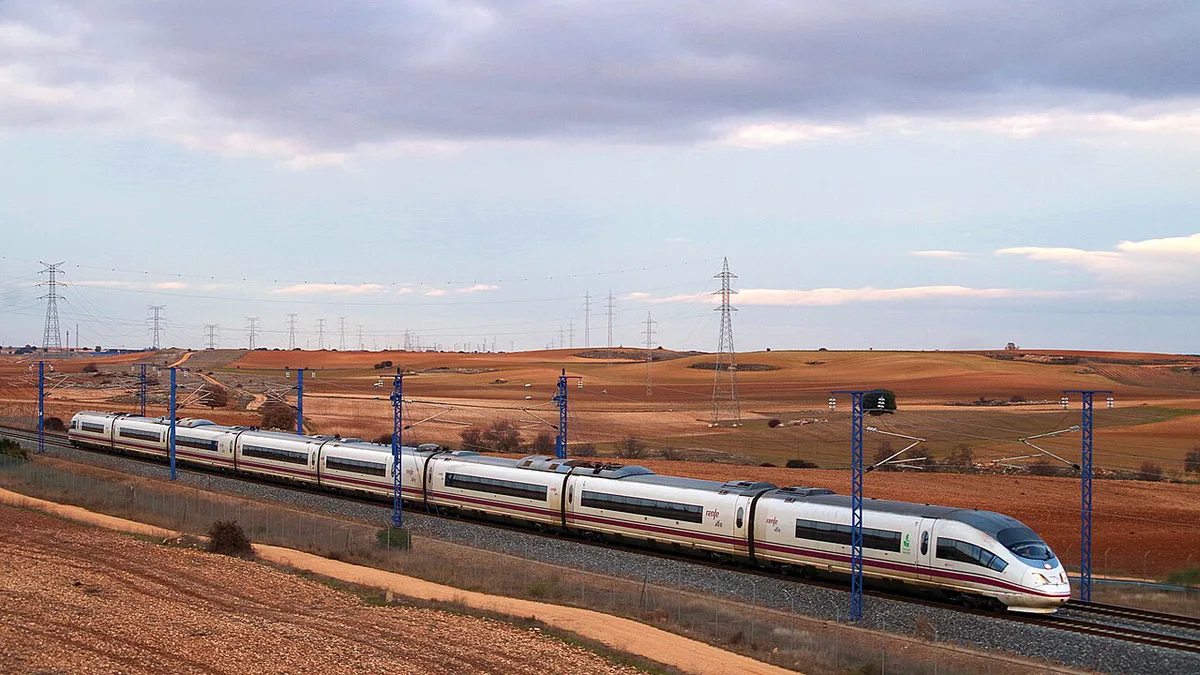
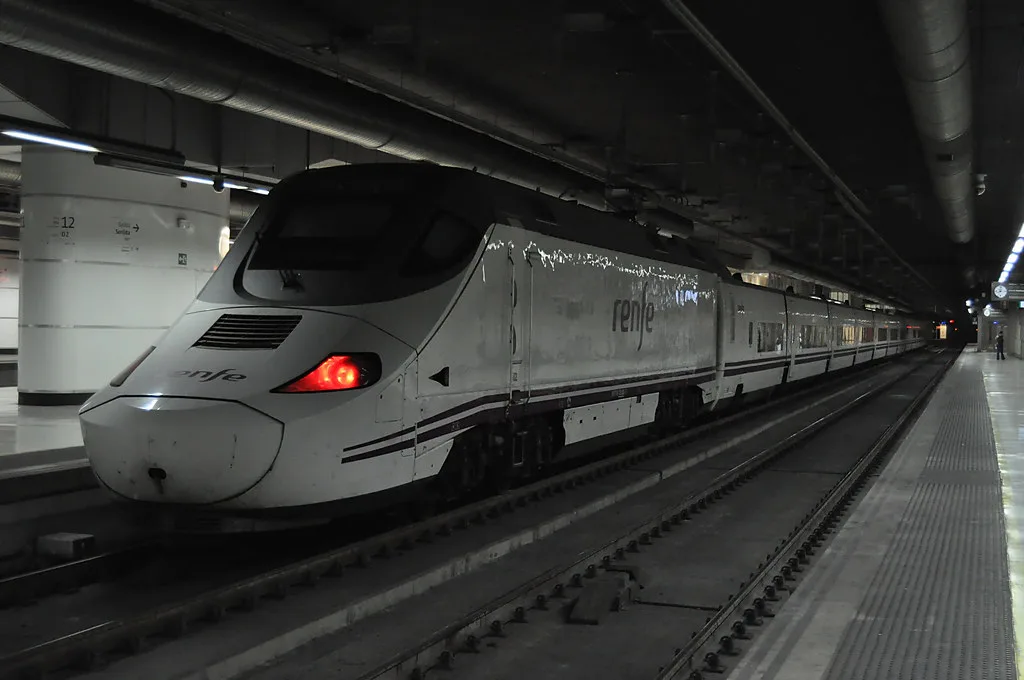
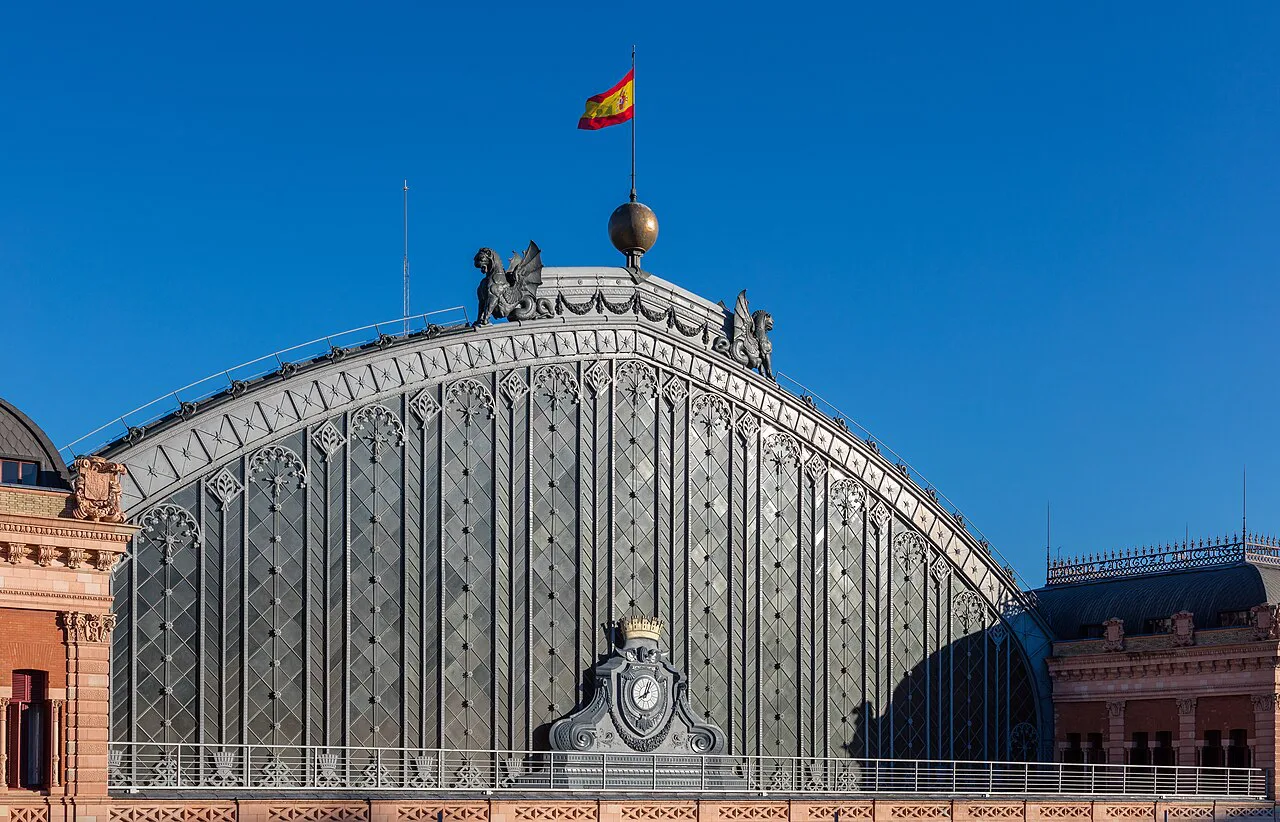
Renfe's AVE is the main direct service, covering the roughly 1,000 km in about 5.5 hours. Other operators run on Spain's high-speed network, so check whether one serves your date. Our operator comparison explains how fares and onboard rules differ. For the train type itself, see the AVE explainer. If no direct seat is left, changing in Madrid is the usual alternative. Make sure both legs use the same station, because Madrid has two main terminals. Departures from Madrid Atocha Station Guide: Trains, Garden, Transfers and Madrid Chamartín are not interchangeable. Cross-city transfers need extra time.
Tickets, fares and how to book
Fares and the sales-opening horizon are published on Renfe, so check the current window there. Our Renfe ticket guide walks through the booking steps. A rail pass for one long leg is rarely the best value, so compare it with a single ticket using the Spain rail pass guide.
- Book early for peak dates, since popular departures can sell out.
- Compare basic and flexible fares for seat selection, baggage and change rules.
- Reserve a seat even with a pass, because high-speed trains require reservations.
Departing from Barcelona Sants
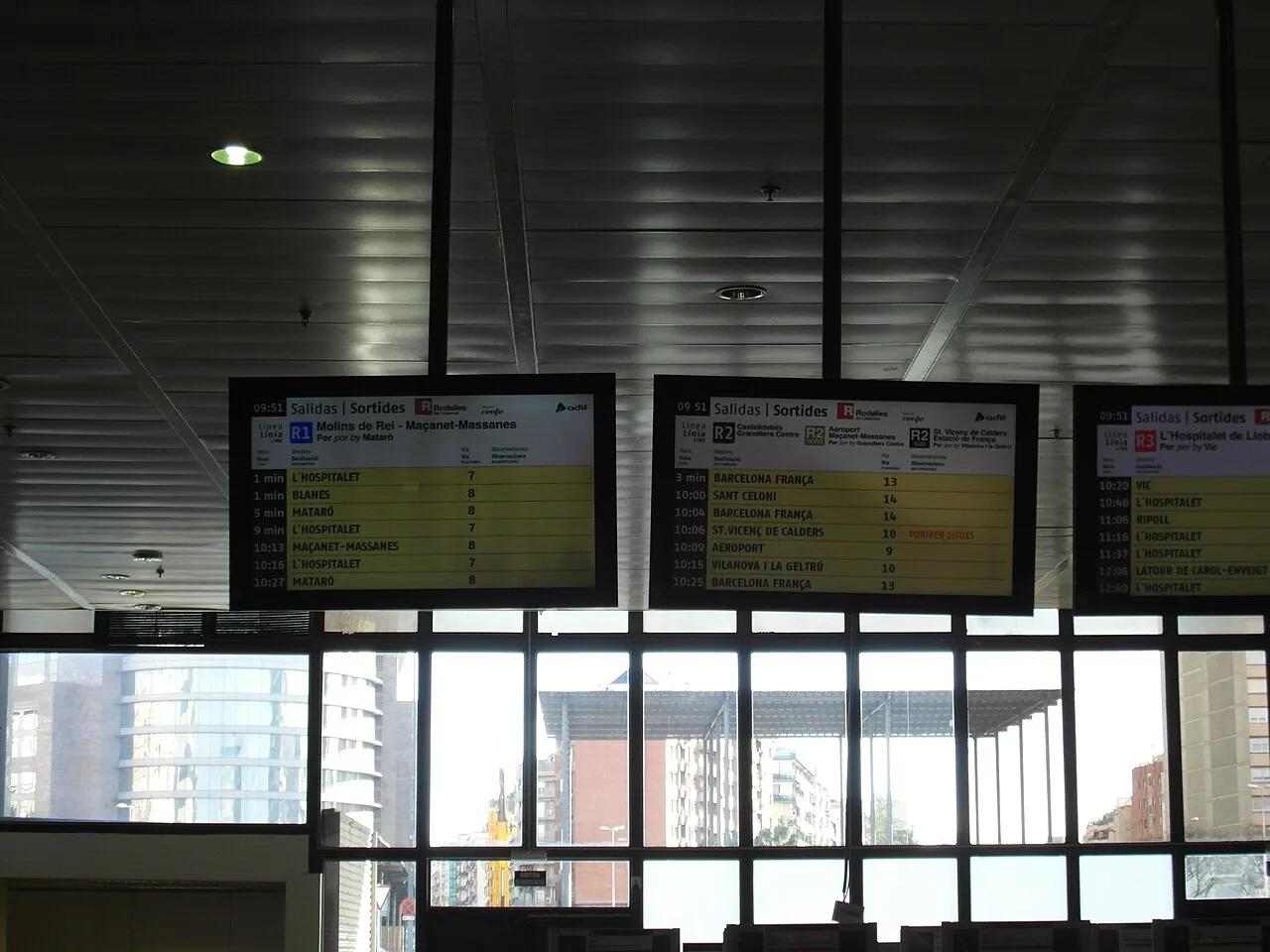
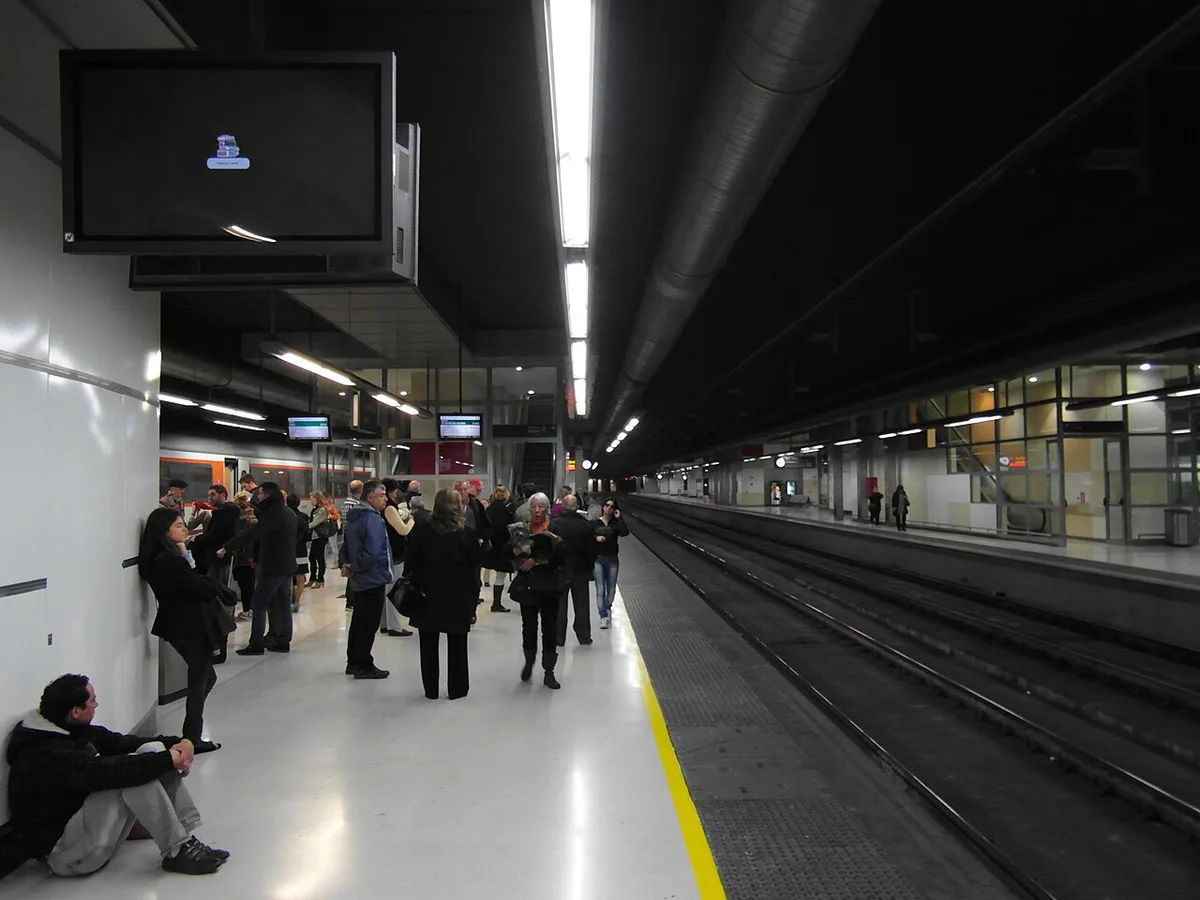
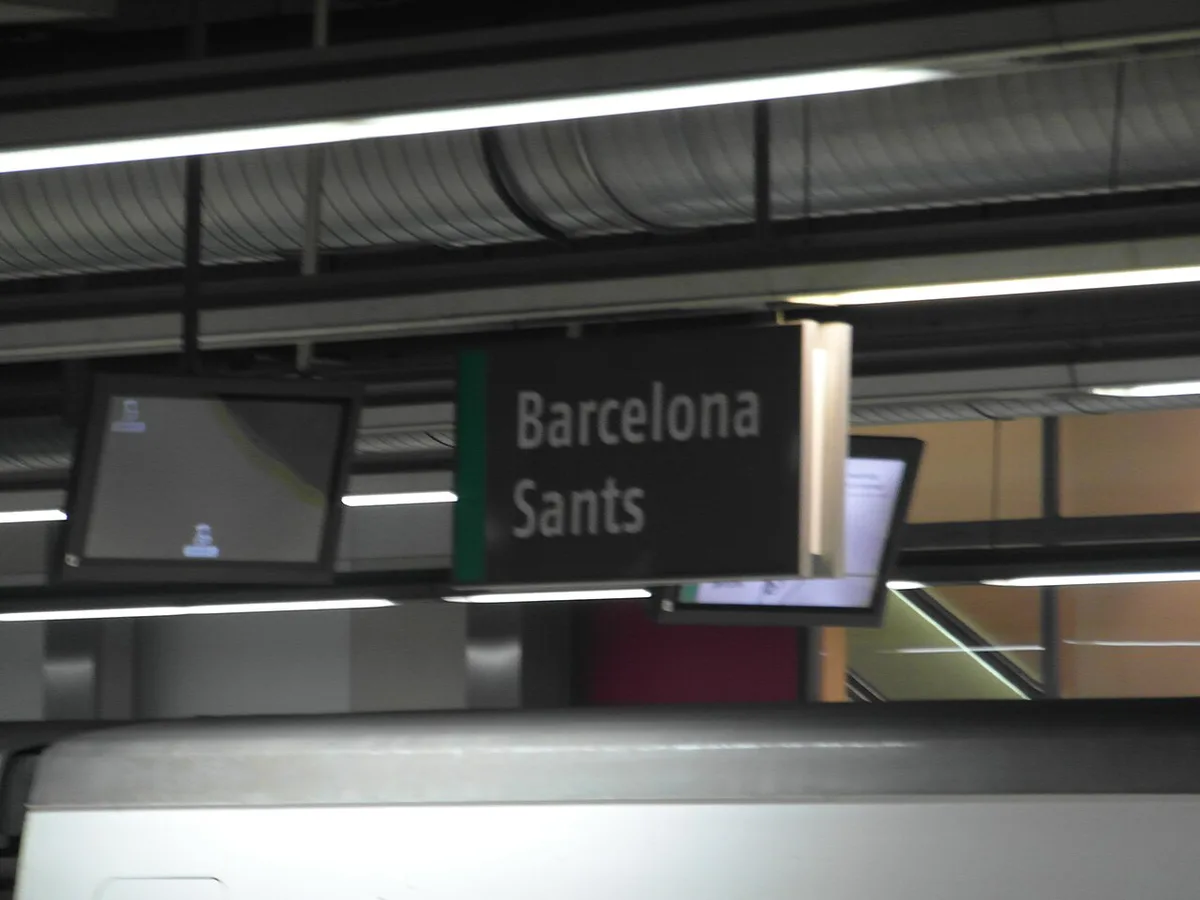
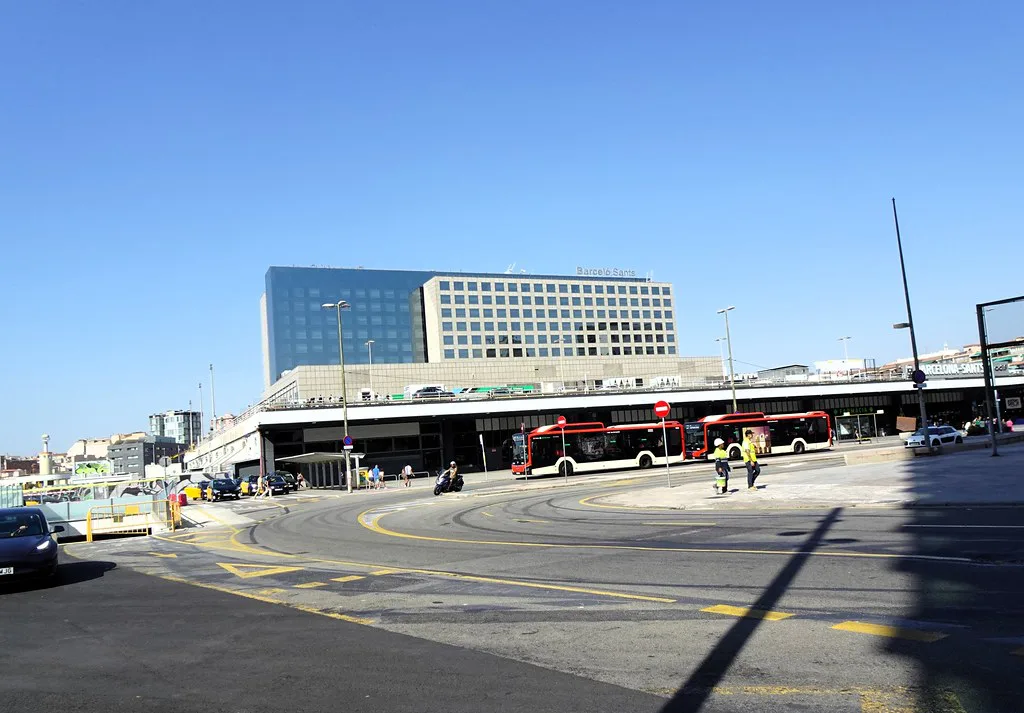
Arrive with a comfortable buffer, because Spanish high-speed stations screen baggage before boarding. Our Barcelona Sants guide covers the station layout, and Rodalies de Catalunya runs the commuter lines that reach it. See also our Cercanías explainer for how these regional trains work.
Plan for 5 to 6 hours on board, then add your own walk to Sants and the baggage screening before the train leaves.
Arriving in Seville Santa Justa
Sevilla Santa Justa is the arrival station for direct trains. Check Tussam and taxi options for the ride to your hotel.
Best seat and what you'll see
A 5.5-hour ride gives you time for the changing landscape between Catalonia, Aragón, Madrid and Andalusia. Pick a window seat and a daylight departure if the view matters. Evening trains are quieter and better for sleeping or working. Scenery varies by season and track section, so treat any landscape promise with caution.
Stops along the route and where to break the journey
The line runs south-west from Catalonia across Aragón, then cuts through Madrid and drops into Andalusia. Most through services call at only some of these stations, so check the stopping pattern of your departure on Renfe before you book. Breaking the trip is worth considering if 5.5 hours in one sitting sounds heavy.
| Stop | Station | Why stop here |
|---|---|---|
| Zaragoza | Zaragoza-Delicias | The Basilica del Pilar and the Aljafería palace make a good half-day. Delicias sits outside the old centre, so allow time for a bus or taxi into town. |
| Madrid | Madrid Puerta de Atocha | The natural split point, with frequent onward trains to Andalusia. Confirm that your connection leaves from the same station you arrive at. |
| Córdoba | Córdoba Central | The Mezquita-Catedral and the old Jewish quarter are walkable from the station. It works well as a last stop before Seville. |
How to split the trip sensibly
- Book each leg as a separate ticket if you plan to stay overnight, and keep the later leg flexible in case you want to stay longer.
- If you split in one sitting rather than overnight, leave a generous gap between trains. A delay on the first leg does not protect a separately booked second ticket.
- Madrid is the easiest place for a long stopover because trains to Andalusia are frequent. Córdoba is the better choice if you would rather arrive in Seville fresh the next morning.
Tickets for a split journey can cost more in total than a single through fare, so compare both before deciding. If your priority is the simplest day, the direct AVE is still the easier option.
Mistakes to avoid
Most problems come from timing and station confusion. Avoid these.
- Booking late for peak dates and finding no direct seat.
- Assuming flights are always faster once transfers are counted.
- Ignoring the time needed to reach the station or airport.
- Mixing up Madrid Atocha and Madrid Chamartín on a connection.
- Skipping the seat reservation on a pass.
Alternatives and related routes
Splitting the trip at Madrid works if a direct seat is gone. See the Barcelona to Madrid guide for the first leg. The Madrid to Seville guide covers the second. A stopover in Valencia is another idea, outlined in our Barcelona to Valencia guide. Once in Andalusia, day trips run to Córdoba and Granada. Plan them with our Seville to Córdoba guide. Our Seville to Granada guide covers the other onward route.
Frequently Asked Questions
How long is the high-speed train ride from Seville to Barcelona?
A direct AVE typically takes about 5.5 hours, with 5 to 6 hours as a realistic range. The distance is roughly 1,000 km. Check the current Renfe timetable for the exact duration of your departure.
Rail notes for your next trip
Optional updates when our rail guides change.
Related guides

More guides
Picked from the same area