
16 TGV Routes in France: Stations, Tickets & Tips
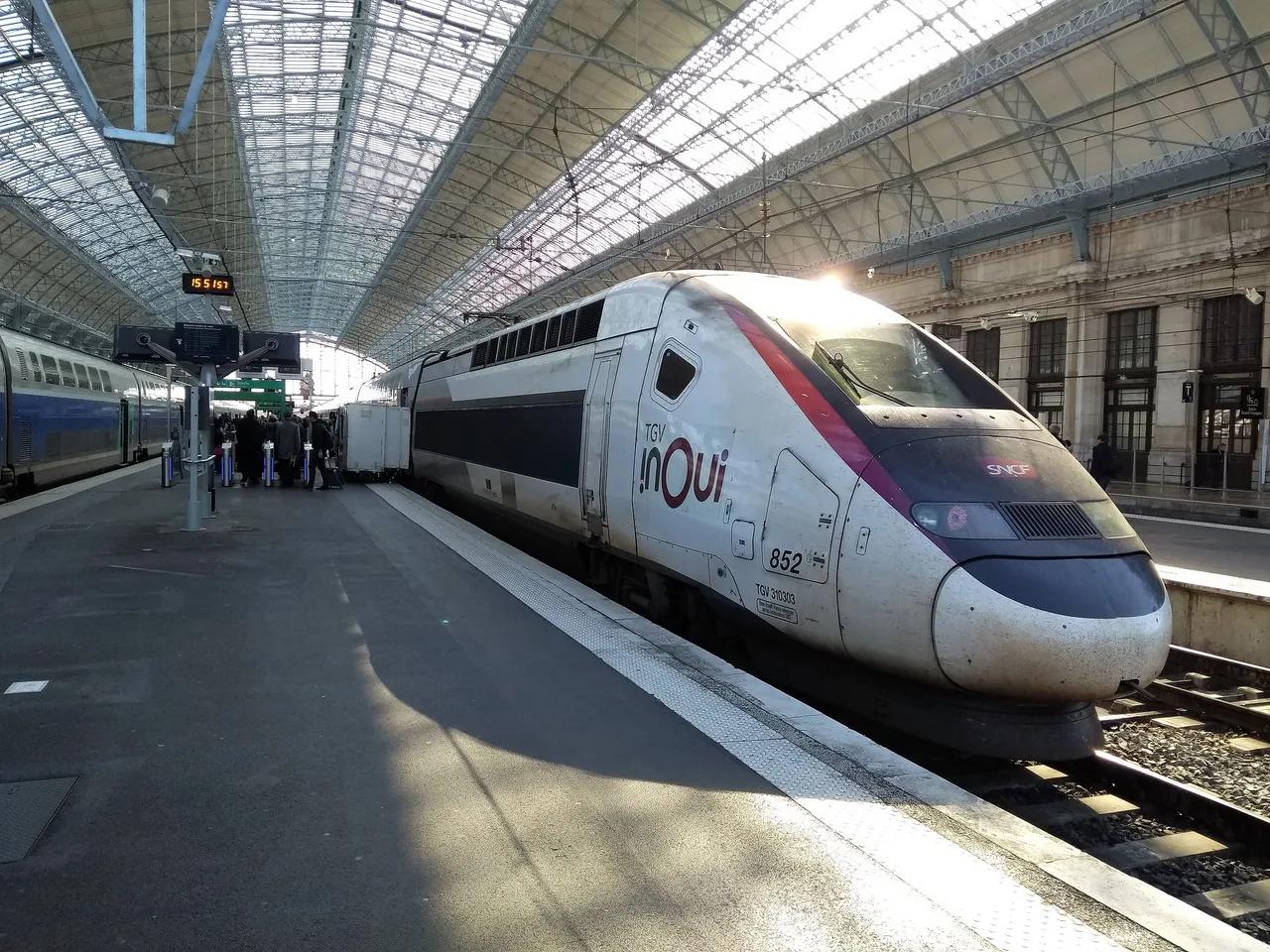
Last updated November 2026: the TGV (Train à Grande Vitesse) is France's high-speed rail service, run by SNCF as one brand among several fast-train products. It is usually the quickest way from city center to city center on long routes. Fares swing with booking date, though, and Paris has several departure stations. Use the 16 route entries below to pick your corridor.
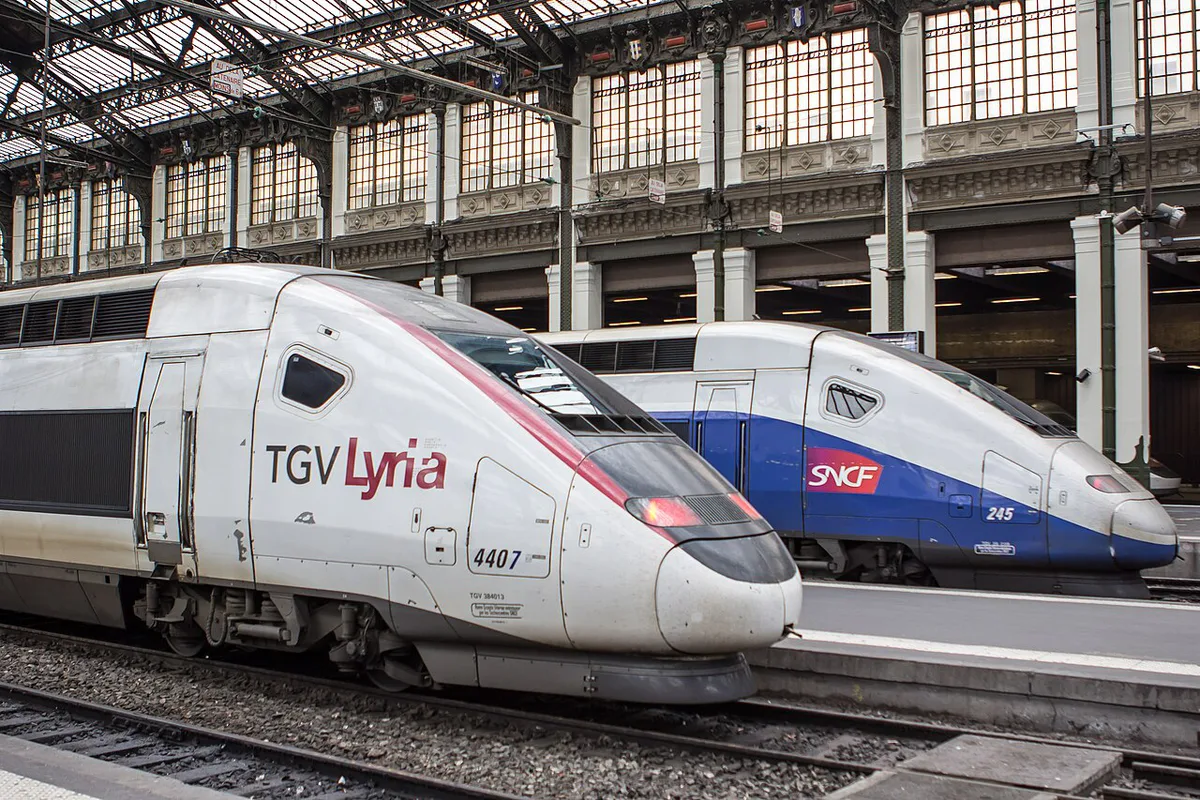
Featured image: marsupilami92, CC BY 2.0, via Flickr.
What Is the TGV?
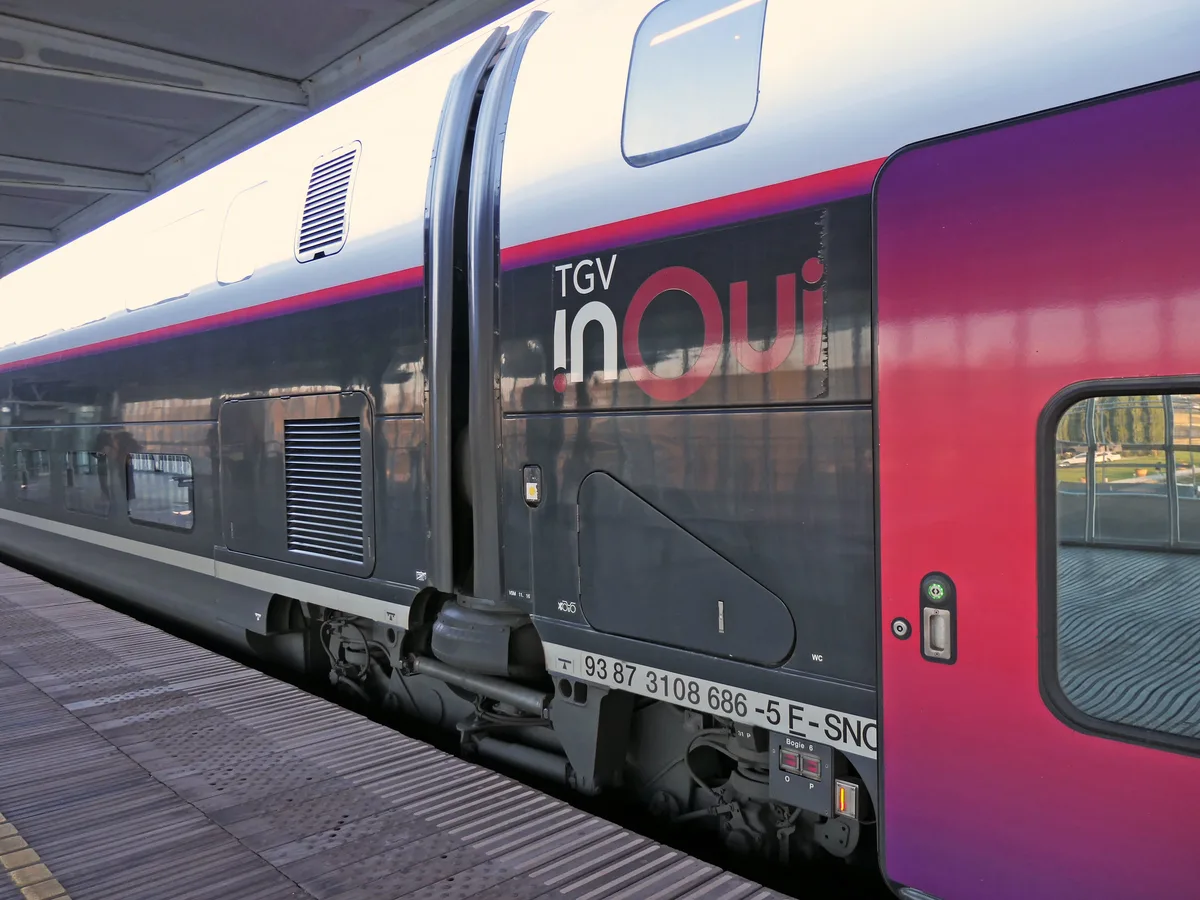
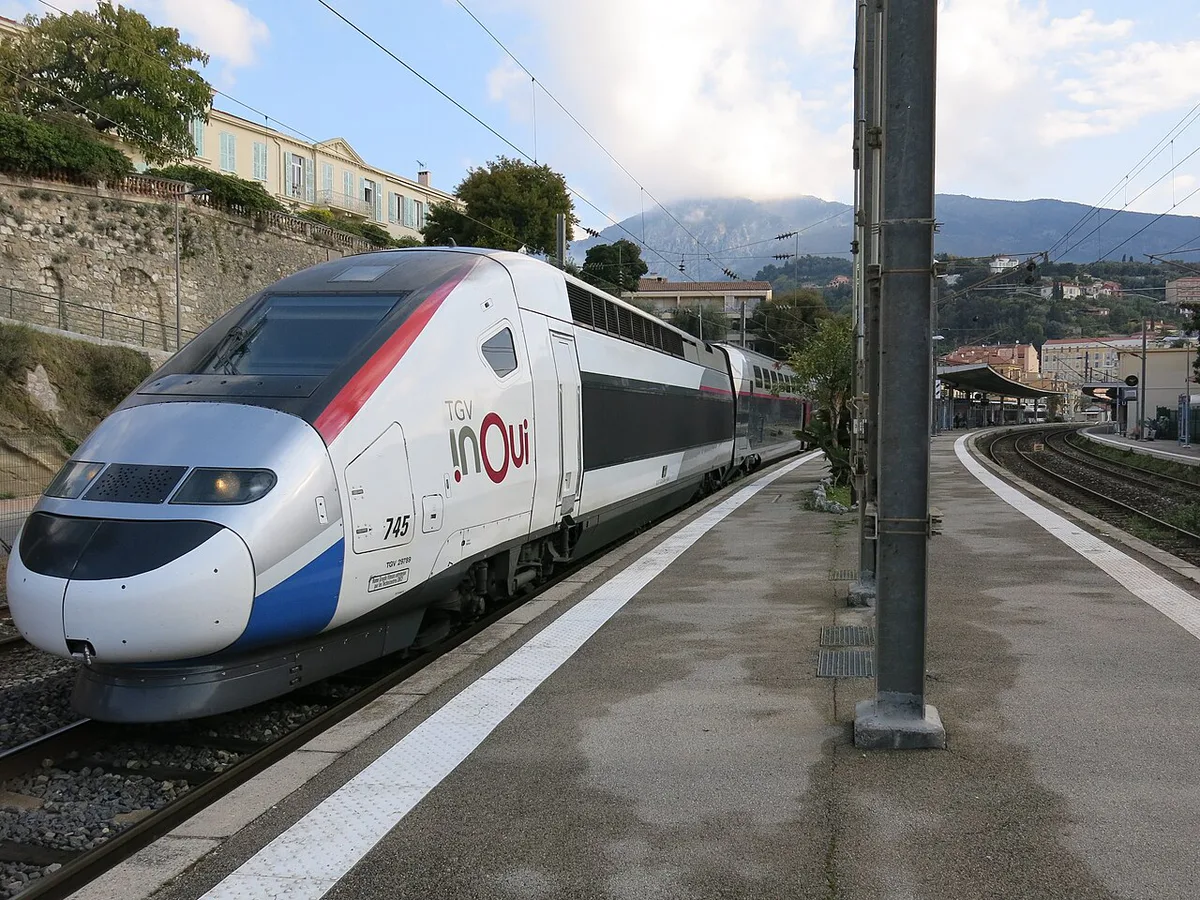
TGV stands for Train à Grande Vitesse, and SNCF Voyageurs operates it. Service speeds reach up to 320 km/h on the best lines, which are called LGV (ligne à grande vitesse) in French. SNCF sells the full-service product as TGV INOUI and the low-cost product as OUIGO. TER regional trains and Intercités services run on ordinary track and stop far more often. Cross-border trains such as Lyria to Switzerland carry their own names and booking rules.
16 TGV Routes by Destination From Paris and Beyond
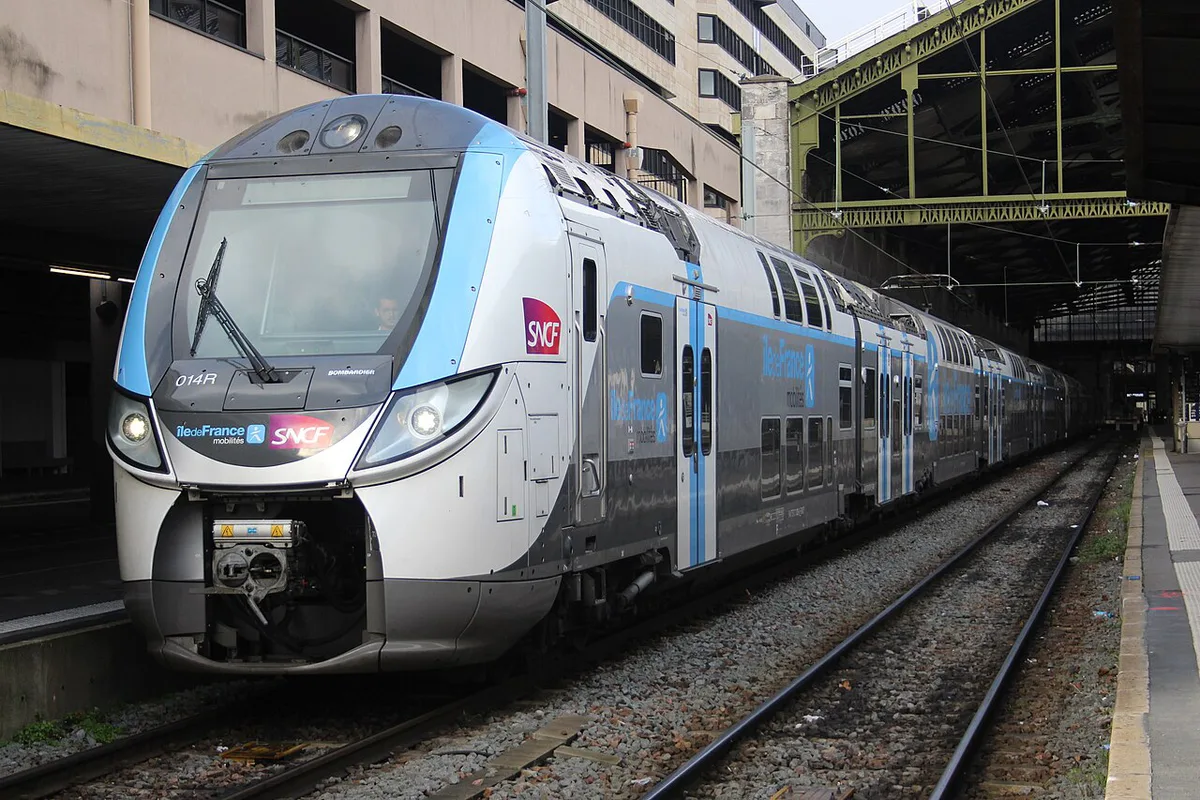
Entries are grouped by region and ordered by traveler demand. Your booking page shows the exact departure station and train type for the date you pick. Journey times are listed as bands on SNCF Connect rather than fixed figures, so compare them there.
1. Southeast: Paris to Lyon
Paris to Lyon is the original TGV corridor, where the first line opened on 27 September 1981. Trains leave from Gare de Lyon, which also handles most other southeast departures. Read our Paris to Lyon by train guide for the full route breakdown.
This route suits first-time riders, business travelers and anyone continuing toward the Alps or Provence. Check whether your ticket ends at Part-Dieu or Perrache before you leave the platform. Skip it for a rushed same-day return, because Lyon rewards at least one overnight stay.
2. Southeast: Paris to Marseille
Paris to Marseille is the classic run to the Mediterranean without a flight. Trains depart from Gare de Lyon and arrive at Marseille Saint-Charles. Plan the trip with our Paris to Marseille by train page.
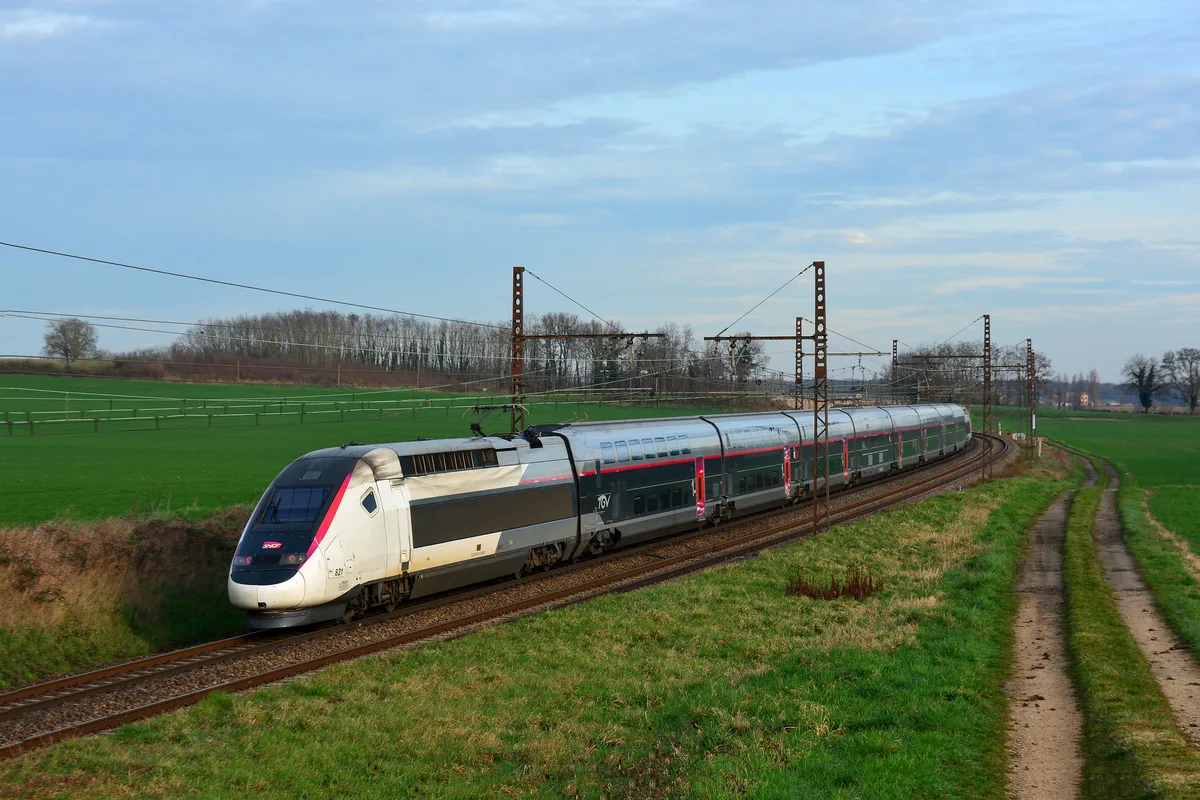
Both stations connect to local metro lines, which keeps luggage handling simple. Best for travelers who want a big port city with a working harbor and a long list of neighborhoods. Look elsewhere if you want a small beach town, because the coast beyond Marseille needs another local train.
3. Southeast: Paris to Avignon
Paris to Avignon puts you at the gateway to Provence, with the walled old town as the main draw. Trains leave from Gare de Lyon and call at Avignon TGV, which sits away from the center. A shuttle train or bus links that station to Avignon Centre, so budget extra time for the last leg.
Our Paris to Avignon by train guide covers the transfer. Best for slow-travel trips that combine Avignon with nearby villages. Pass on it if you only have one day, since the station transfer eats into sightseeing time.
4. Southeast: Paris to Nice
Paris to Nice is the long-haul Riviera run, and high-speed track does not reach all the way to Nice. Services run on classic line for the final stretch, which is why the trip feels slower than the Lyon corridor. Trains depart from Gare de Lyon and end at Nice-Ville.

Our Paris to Nice by train page compares the options. Best for travelers who prefer a station-to-station trip to airport queues and want to see the coast from the window. Consider flying if your schedule is tight and you travel with only carry-on bags.
5. Southeast: Marseille to Nice
Marseille to Nice is not a Paris-origin TGV route, so treat it as the onward leg after Paris to Marseille. Regional and intercity trains run it along the classic coast line rather than on high-speed track. Pair it with Marseille to Nice by train when planning a Provence-to-Riviera trip.
Seat reservations and fares differ from TGV rules, so book it as a separate ticket unless your booking page bundles it. Best for travelers building a two-city Mediterranean itinerary. Skip it if you are short on time, because the stops make it slower than a long TGV leg.
6. Southwest: Paris to Bordeaux
Paris to Bordeaux is the main southwest route, running on the LGV Sud Europe Atlantique high-speed line. Trains leave from Gare Montparnasse and arrive at Bordeaux Saint-Jean. Our Paris to Bordeaux by train guide covers the trip.
Best for wine-region weekends, because the station is a short tram or taxi ride from the old town. Montparnasse has its own metro connections, so luggage-heavy travelers can avoid a cross-Paris transfer. Skip it for a same-day return, which leaves little time in Bordeaux itself.

7. Southwest: Paris to Toulouse
Paris to Toulouse also leaves from Gare Montparnasse and shares the first stretch with the Bordeaux line. Beyond Bordeaux the trains continue on conventional track, since a high-speed extension to Toulouse is still planned. Read Paris to Toulouse by train for the route detail.
Best for travelers heading to the Pyrenees, Occitanie or Toulouse's brick-built old town. Arrival is at Toulouse Matabiau, where the metro and taxis wait outside. Flying may suit you better if you are short on time, because the final stretch is the slow part.
8. East and Alps: Paris to Strasbourg
Paris to Strasbourg runs on the LGV Est, the line where a V150 test train hit 574.8 km/h in 2007. Regular service is far slower than that record run and tops out at the line's normal service speed. Trains depart from Gare de l'Est, which is a separate station from Gare de Lyon and Montparnasse.
Use Paris to Strasbourg by train for planning details. Best for Christmas-market trips, European Parliament visits and the Alsace wine road. Strasbourg is compact, so skip a rental car unless you plan to leave the city.
9. East and Alps: Paris to Annecy
Paris to Annecy is a TGV-adjacent trip, because the route depends on the date and the train you book. Some departures run direct from Gare de Lyon, while others change at Lyon or Geneva. Our Paris to Annecy by train page explains how to read the options.
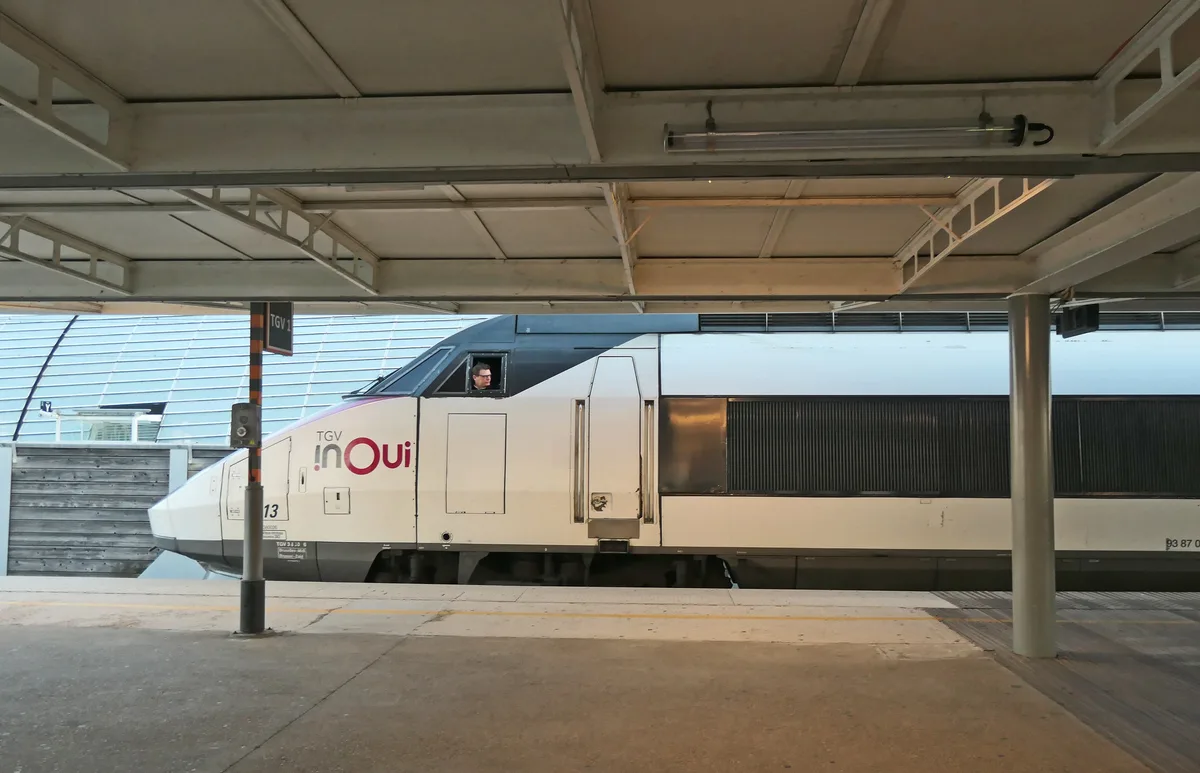
Best for lake-and-old-town weekends in the Alps. Check the change point on your booking page, since a tight transfer can break the trip. Skip it in peak ski weekends if you cannot book early, because trains fill quickly.
10. East and Alps: Paris to Chamonix
Paris to Chamonix is not a pure TGV journey, since the final stretch uses mountain rail. A common pattern is a TGV from Gare de Lyon to Saint-Gervais-Le Fayet, then the Mont-Blanc Express to Chamonix. Read Paris to Chamonix by train for each leg.
Best for hikers and skiers who want to avoid mountain driving. The mountain train has its own rules, so book it as a separate leg unless your booking page bundles it. Skip it if you carry large ski bags and cannot manage a transfer.
11. Normandy and the Coast: Paris to Normandy
Paris to Normandy is TGV-adjacent, because most trains are Intercités or regional services rather than TGV. They depart from Gare Saint-Lazare, which serves a different set of destinations than the TGV stations. Our Paris to Normandy by train guide sorts the towns by line.
See Normandy Tourism for local planning ideas. Best for short trips to Rouen, Caen and the coast. Skip it if you expect a 320 km/h ride, because these lines run at conventional speeds.
12. Normandy and the Coast: Paris to Mont-Saint-Michel
Paris to Mont-Saint-Michel has no TGV station on the rock itself. A common route is a TGV from Gare Montparnasse to Rennes, followed by a bus or a regional train toward the coast. Start with Paris to Mont-Saint-Michel by train for the connection pattern.
The Mont-Saint-Michel official site lists current shuttle details. Best for travelers who accept a multi-leg day. Skip the same-day return if you want to see the abbey at dawn or dusk.
13. International: Paris to Geneva
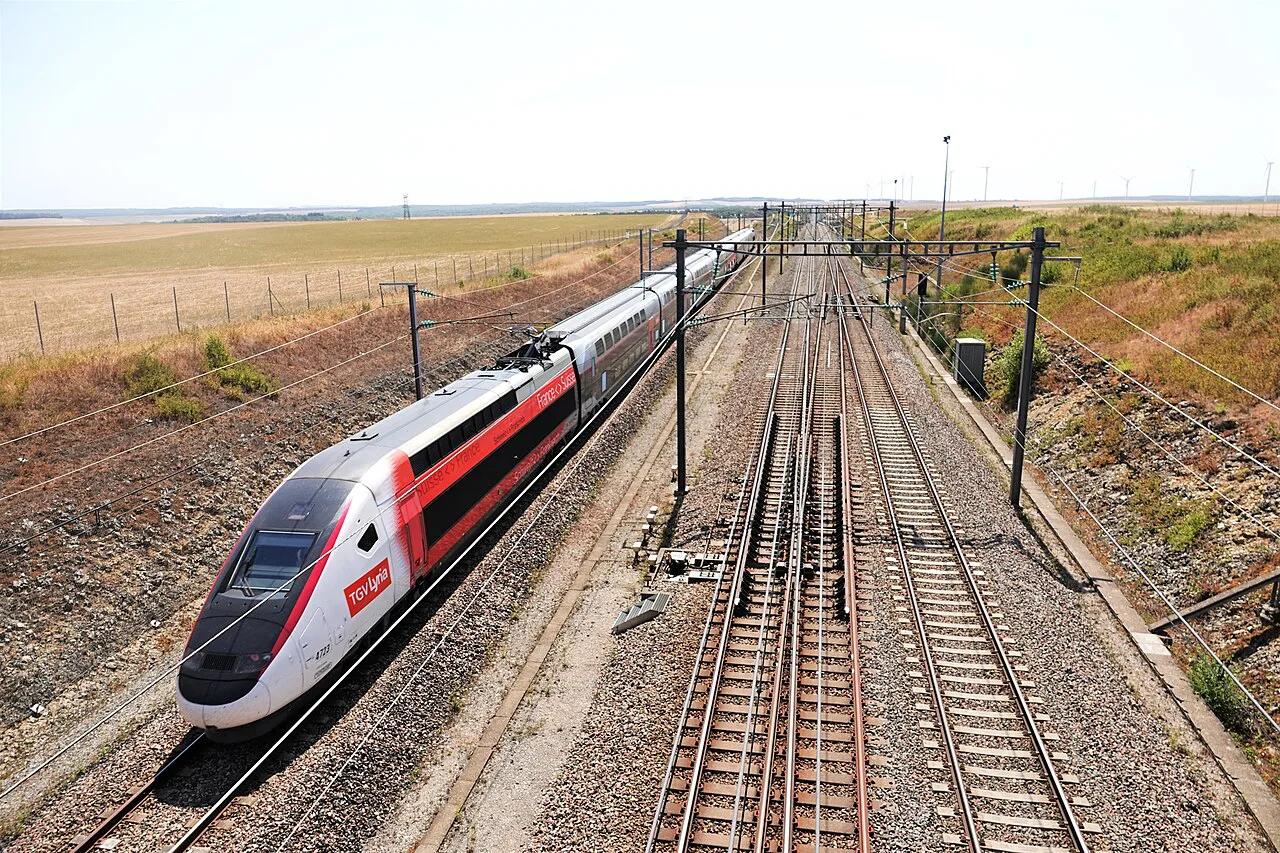
Paris to Geneva is a cross-border service that runs from Gare de Lyon to Genève-Cornavin. Lyria and SNCF both sell Swiss-bound trains, so the train name may differ from a domestic TGV. Our Paris to Geneva by train page covers the practical details.
Best for travelers heading to the Alps, lakeside Geneva or a connection onward by Swiss rail. Carry photo ID, and book a seat, since international trains require reservations. Skip it if your real destination is Chamonix or Annecy, because a different route may suit you better.
14. International: Paris to Zurich
Paris to Zurich runs as a TGV Lyria service from Gare de Lyon, with a stop at Basel along the way. See TGV Lyria's official site for current services and booking. Our Paris to Zurich by train guide compares the options.
Best for business trips and onward travel on Swiss rail. Arrival is at Zurich HB, which has direct local and regional connections. Skip it if you travel on a tight same-day schedule, since border and platform changes add risk.
15. International: Paris to Rome
Paris to Rome is a multi-leg or multi-operator journey, not a single direct TGV. A common pattern is a train from Gare de Lyon to Milan, followed by Italian high-speed rail to Rome. Our Paris to Rome by train page lays out the realistic options.
Italo's official site sells the Italian leg. Best for slow-travel itineraries that include Milan or Florence on the way. Flying is usually simpler if you need to reach Rome in a single day.
16. International: Paris to Venice
Paris to Venice follows the same pattern as Rome: a first leg to Milan, then an Italian train east. Trains arrive at Venezia Santa Lucia, which sits on the Grand Canal side of the city. Use Paris to Venice by train to compare day and overnight options.
Best for travelers who want to see Milan, Verona or Lake Garda as part of the trip. Book each leg with the right operator, because tickets are often sold separately. Skip the same-day plan if you are carrying luggage, since the change in Milan can be tight.
Which Paris Station for Which TGV?
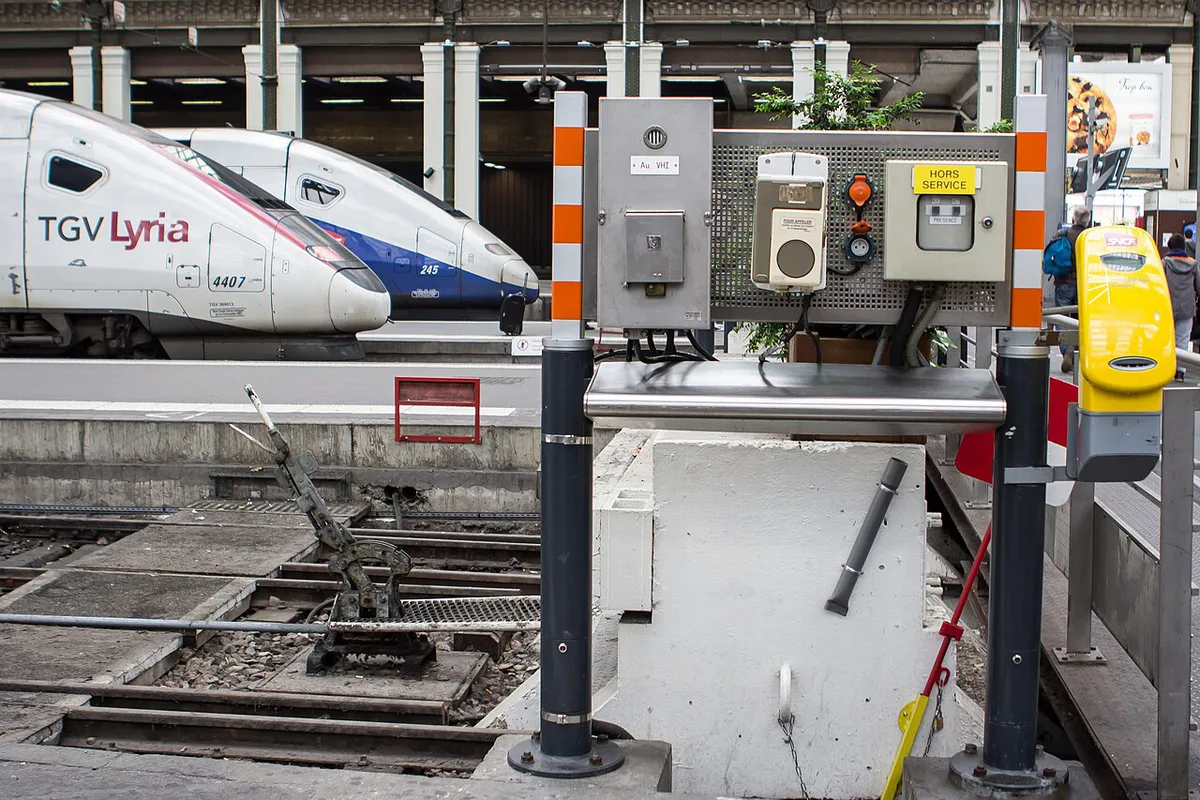
Paris has several mainline stations, and each serves a different set of destinations. Stations can change, so confirm yours on the booking page. A wrong-station mistake is hard to fix on the day.
| Destination | Paris station | Train type |
|---|---|---|
| Lyon, Marseille, Avignon, Nice | Gare de Lyon | TGV INOUI or OUIGO |
| Annecy, Chamonix | Gare de Lyon | TGV plus regional or mountain rail |
| Geneva, Zurich | Gare de Lyon | TGV Lyria or domestic TGV |
| Bordeaux, Toulouse | Gare Montparnasse | TGV INOUI |
| Strasbourg | Gare de l'Est | TGV INOUI |
| Normandy | Gare Saint-Lazare | Intercités and regional trains |
| Mont-Saint-Michel | Gare Montparnasse | TGV, then bus or regional train |
- Mistake to avoid: booking a train from one Paris station and arriving at another.
- Mistake to avoid: planning a tight cross-Paris transfer between two mainline stations.
- Mistake to avoid: leaving without a seat reservation or ticket validation where required.
- Mistake to avoid: buying a non-flexible fare when you have a same-day connection.
How to Book TGV Tickets
Book through SNCF Connect or the operator's own site, since each operator sells its own trains. Tickets are date- and train-specific, and seat reservation is compulsory on TGV services. Fares rise as trains fill, so early booking usually costs less. Compare flexible and non-flexible fares before you pay, because a flexible fare allows changes and refunds that a cheaper ticket may not.
TGV INOUI vs OUIGO vs Other Options
TGV INOUI is SNCF's full-service brand, while OUIGO is its low-cost sibling. OUIGO's Duplex trains carry 634 seated passengers, which is the largest capacity of any TGV set. Check the OUIGO official site for current luggage and booking rules before you choose.
| Criterion | TGV INOUI | OUIGO |
|---|---|---|
| Fare level | Medium to high | Low |
| Station location | Main central stations | Some departures use other stations |
| Luggage | Standard allowance | Stricter limits |
| Onboard services | Café bar, more services | Fewer services |
| Flexibility | Higher on flexible fares | Lower |
Rail Passes and Discount Cards on the TGV
Eurail and Interrail passes can cover TGV travel, but a seat reservation is still required on most TGV trains. Reservation fees and quotas limit how many pass holders can board each train. SNCF also sells youth, senior and family discount cards, and terms change by year. Check the official pass pages and SNCF Connect for current rules before you buy.
International TGV Routes
TGV services reach Switzerland, Italy, Belgium, Germany and Spain, and some of these trains carry different names or operators. Lyria links Paris with Geneva and Zurich, while Italian itineraries usually combine a French and an Italian leg. Border quirks include mandatory reservations and separate ticket systems, so check each operator's rules.
What to Expect Onboard
TGV INOUI trains offer first and second class, with a café bar on many services. Quiet-car options exist on some trains, so look for them when you reserve. Luggage goes on racks at car ends or above seats. Pick a seat near the luggage rack if you carry a large bag.
Strikes, Delays and Refund Rules
French rail strikes can cancel or reduce services, usually with advance notice. Check SNCF Connect before you travel, and follow its exchange and refund rules for your fare. If you have a same-day flight, plan a buffer of several hours or travel the day before.
TGV vs Flying vs Driving
On Paris to Lyon and Paris to Bordeaux, the TGV is usually the simplest city-center option. Flying can win on Paris to Nice if you carry only a bag and your schedule is tight. Driving suits Normandy and rural areas where the TGV does not run directly. Compare time, cost level, access and luggage rather than relying on a single figure.
TGV Facts and Records
The first TGV line opened on 27 September 1981, connecting Paris and Lyon. A V150 test train reached 574.8 km/h on 3 April 2007 on the LGV Est, which is a test record rather than a service speed. Normal service speeds reach 320 km/h. UIC data lists France's high-speed network at 2,735 km as of October 2023.
A test run on the LGV Est hit 574.8 km/h. Regular Strasbourg trains run far slower than that record.
Frequently Asked Questions
What is the official site for TGV trains?
SNCF Connect is the main booking site for TGV INOUI. OUIGO sells its trains on the OUIGO official site. For Switzerland, use TGV Lyria's official site.
Where does TGV run?
TGV runs across France and reaches neighboring countries. International services include Switzerland, Italy, Belgium, Germany and Spain. Each cross-border train may carry a different name or operator.
Explore More Guides
Keep planning your trip with these guides.
Guides
- Paris to Nice Train: Stations, Direct vs Connecting, Tickets & Tips
- Paris to Lyon Train: Times, Fares and Which Station
- Paris to Marseille by Train
- Paris to Bordeaux Train: Times, Tickets & Tips
- Paris to Strasbourg by Train
- Paris to Avignon Train: Times, Stations, Tickets and Tips
- Paris to Toulouse Train: Times, Stations and Tickets
- Paris to Annecy by Train
- Paris to Chamonix by Train
- Paris to Geneva by Train
- Paris to Zurich Train: Times, Tickets & Tips
- Paris to Normandy by Train
- Paris to Mont Saint Michel by Train
- Marseille to Nice by Train
- Paris to Rome by Train
- Paris to Venice by Train
Rail notes for your next trip
Optional updates when our rail guides change.
Related guides
More guides
Picked from the same area