
Ouigo vs TGV inOui: Differences, Costs & Which to Book
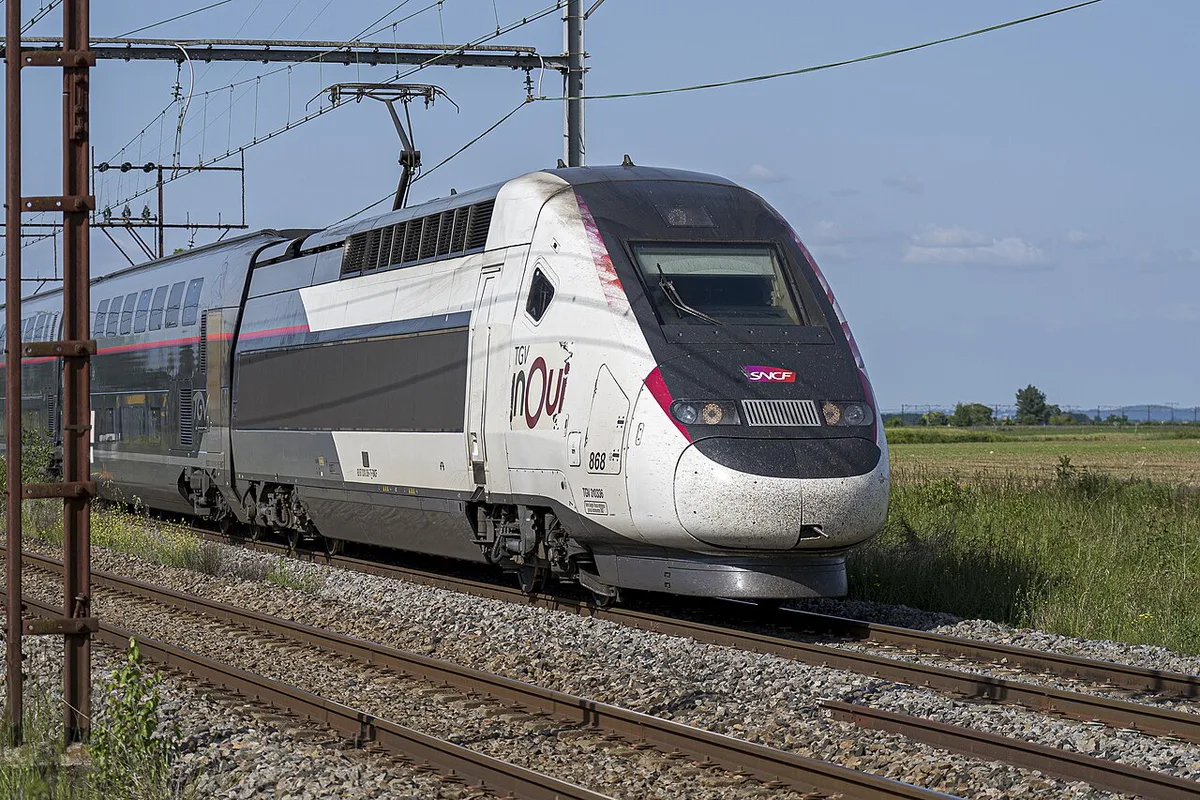
Last updated November 2026: in the ouigo vs tgv inoui choice, both brands run TGV trainsets at the same speed. Ouigo wins on price if you travel light, book early and accept strict rules. TGV inOui wins on luggage, flexibility, comfort and a smoother station experience, as part of the wider French rail network.
Featured image: Stratoswift, CC0, via Wikimedia Commons.
Quick Verdict: Pick by Bags and Risk, Not Budget
Both brands belong to SNCF and use the same TGV trainsets. Journey speed is comparable, so the real difference is the business model. Ouigo sells a low base fare and charges for extras, much like a budget airline. TGV inOui sells a higher fare that already includes standard luggage, a choice of classes and more flexible ticket options. Choose Ouigo when you carry one small bag and your plans are fixed. Choose inOui when you have large luggage, a tight connection or a schedule that might change.
Ouigo vs TGV inOui at a Glance
This table sets the two brands side by side. Rules and fees change, so read the current terms on the OUIGO official site before you pay.

| Feature | Ouigo | TGV inOui |
|---|---|---|
| Brand model | Low-cost TGV, launched 2013 | Standard TGV service, branded inOui in 2017 |
| Classes | Second class only | First and second class |
| Luggage | Stricter allowance, fees for extra or oversized bags | Standard luggage rules |
| Food on board | No bistro or catering | Bistro counter |
| Ticket channels | Online only | Online and station counters |
| Stations | Often a secondary station | Main city stations more often |
| Changes | Point-to-point tickets, less flexible | More flexible and exchangeable options |
| Seat choice | Surcharge on the cheapest fares, roughly €3–€7 | Preferences such as upper or lower deck, aisle or window |
| Best for | Light travelers with fixed plans | Families, luggage, tight connections, flexible plans |
What Is the Same, What Is Different
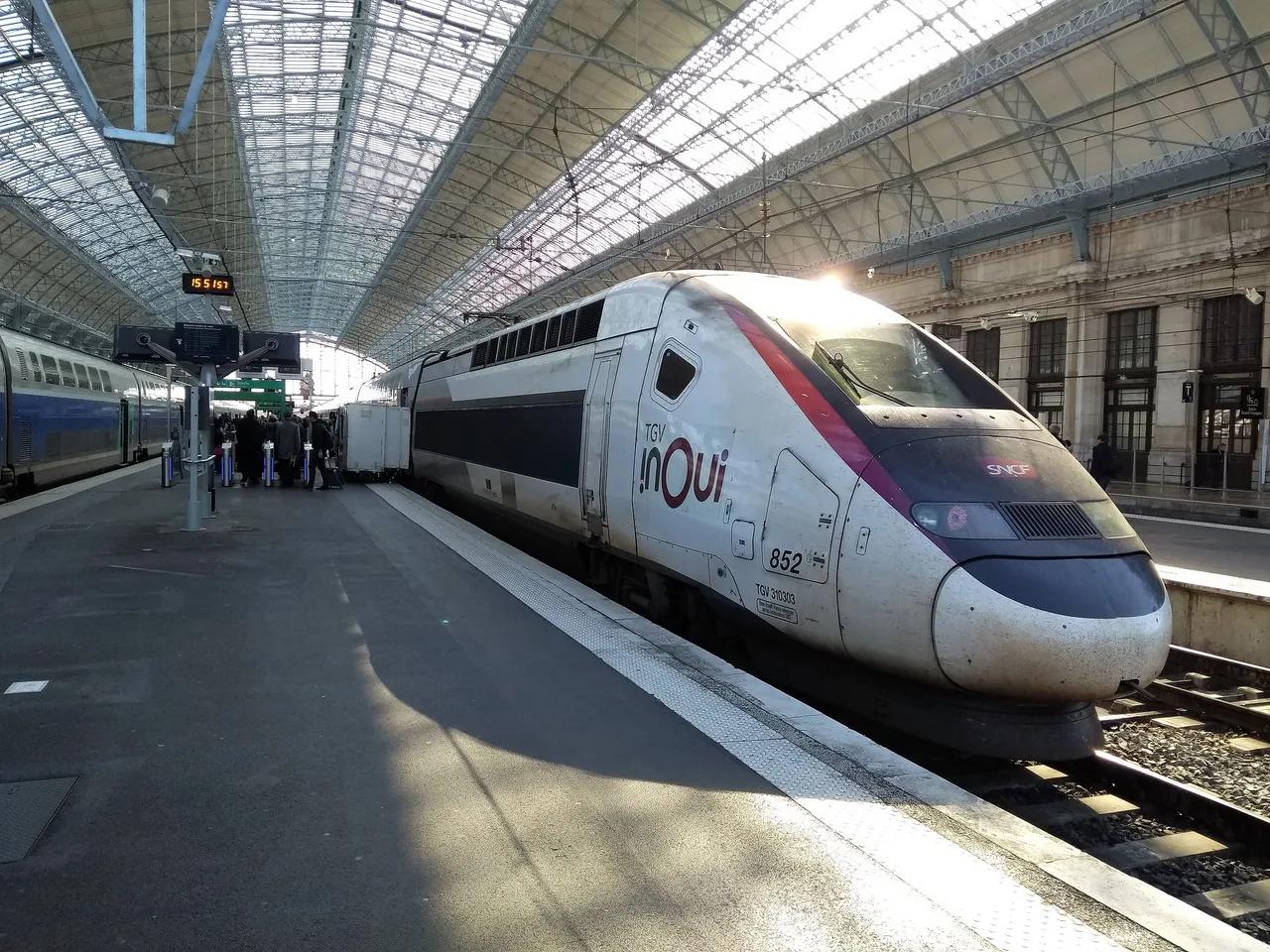
SNCF launched Ouigo in 2013 as its low-cost TGV brand. In 2017 it renamed its standard high-speed service inOui, so the two names now sit side by side. Second-class seats ride on the same trainsets and give the same ride at high speed. Comfort in second class is therefore similar. What changes is what you get around the seat: classes, catering, luggage terms, sales channels and how easily you can change your plans.
- Same: TGV trainsets, comparable speed, SNCF as the operator.
- Different: Ouigo has no first class and no bistro.
- Different: Ouigo tickets are sold online only.
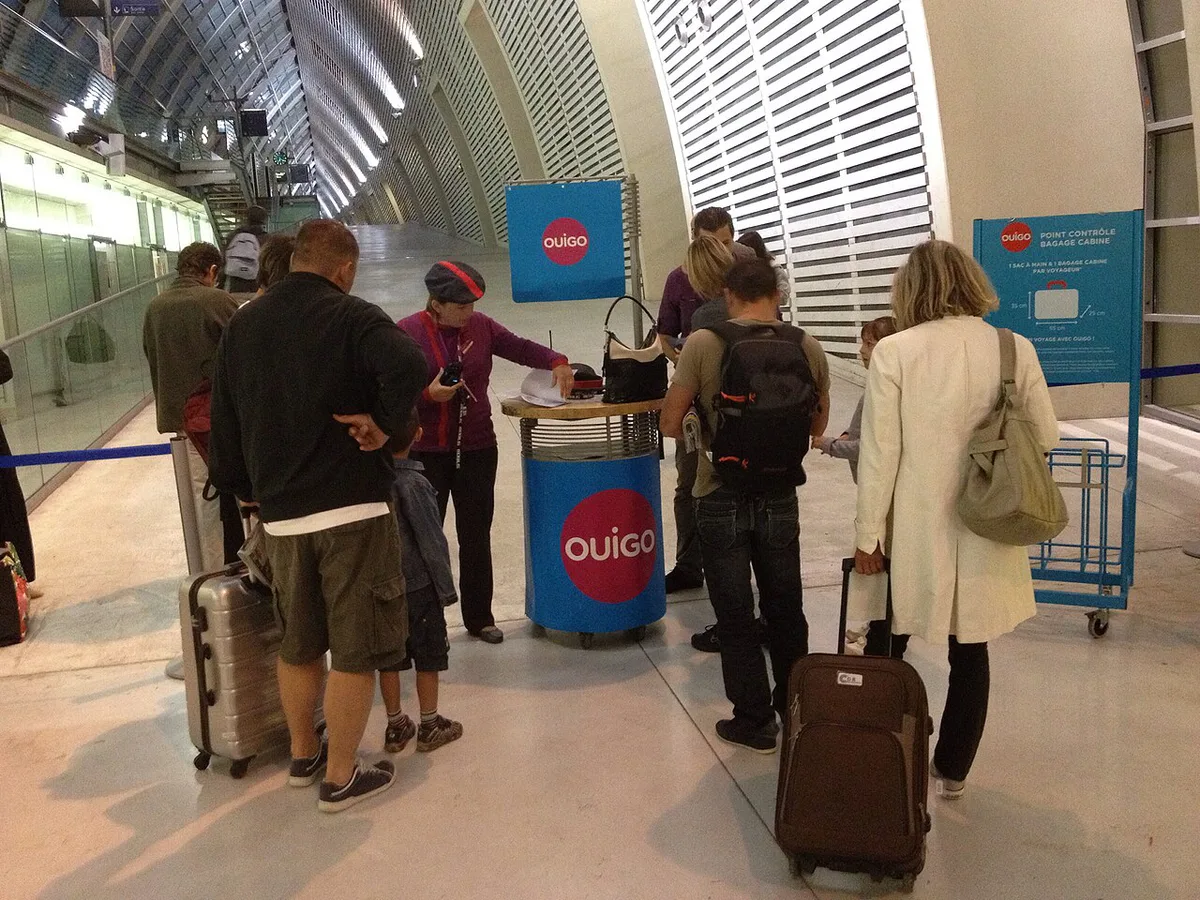
- Different: Ouigo luggage and seat rules are stricter.
True Cost: Ticket Price vs Total Trip Cost
Compare the total, not the headline fare. A simple formula works: base fare plus seat fee plus bag fee plus transfer to the station plus change or cancel cost plus onboard food. Ouigo's seat choice on the cheapest fares carries a small surcharge, reported at roughly €3–€7 depending on the seat. Pull real fares and journey times for your date from SNCF Connect: How to Book, Pay and Fix Problems (Visitor Guide). As a benchmark, the fastest Paris–Bordeaux trains take about 2h03. Prices and fees were last checked November 2026 and move with demand.
- Base fare for your exact date and time.
- Seat fee if you want a chosen seat.
- Bag fee for anything above the cabin allowance.
- Taxi, metro or bus to a secondary station.
- Cost of changing or cancelling if plans slip.
- Food and drink, since Ouigo has no bistro.
When the Cheap Fare Stops Being Cheap
Several situations erase a Ouigo saving. A large suitcase triggers bag fees. A far-out station adds a transfer you would not need from a central one. A missed connection on a separate ticket leaves you buying a new fare. If two of these apply, price the inOui fare before booking.
Stations and Getting There
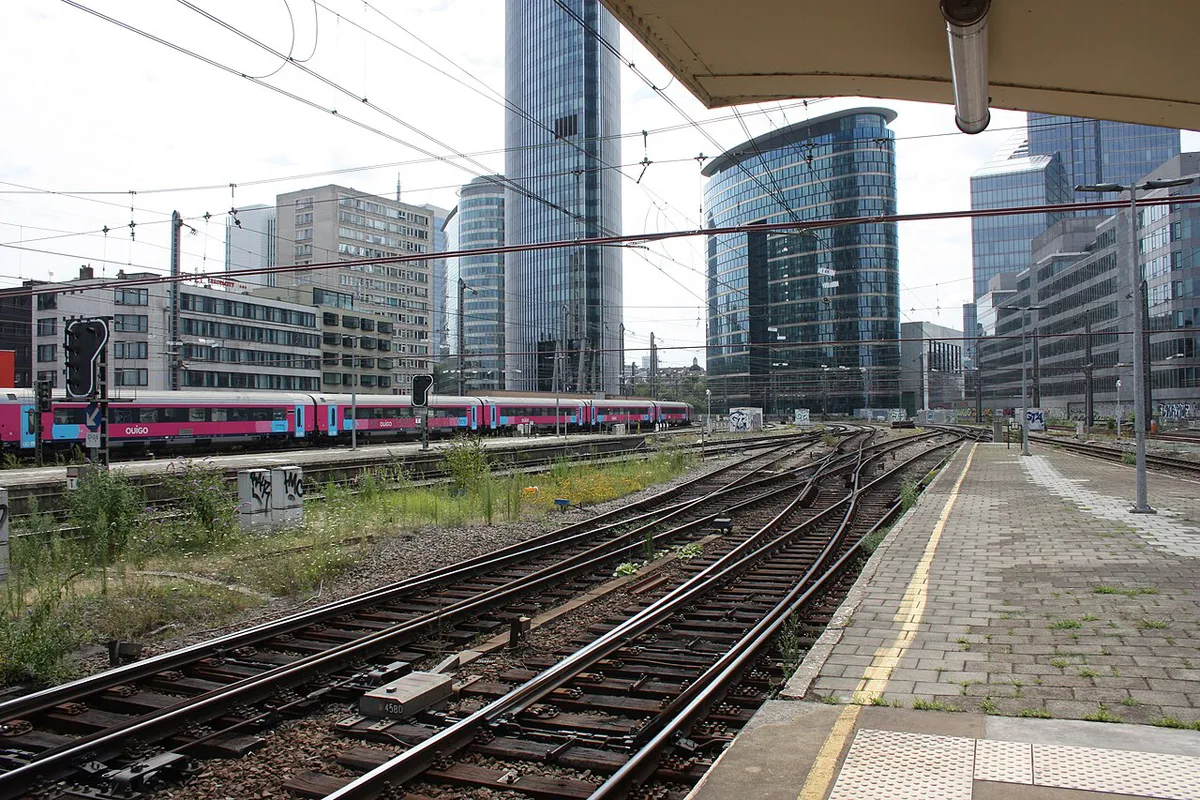
Ouigo often uses secondary stations, so it may not leave from the same Paris station as inOui on your route. Check the departure station on your ticket against your hotel before you book. Start with the Paris train stations guide to see how the terminals differ. Southbound and southeastern trips often involve Gare de Lyon Paris: Trains, Metro/RER Access & Station Guide. Western and southwestern routes may use Paris Montparnasse: Station Tips, Layovers & Things to Do. Eastern routes can involve Gare de l'Est. Confirm which station each brand uses for your exact route in the booking flow. Then compare the transfer time and cost with the fare saving.
Luggage, Seats and Onboard Experience
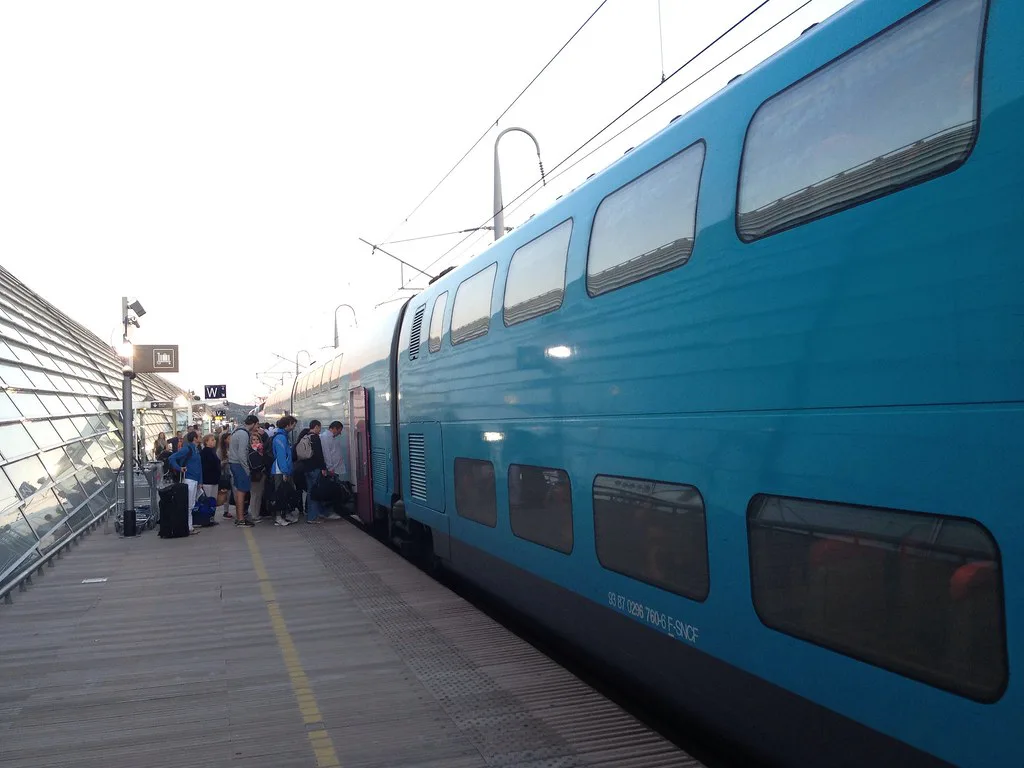
Ouigo's luggage rules are stricter than inOui's, with fees for extra or oversized bags. Read the current allowance on the official OUIGO pages instead of relying on memory. For seats, the cheapest Ouigo fares charge a small fee to choose your exact seat. Pick one marked "avec prise" on the seat map if you need a power socket. Some lower-deck seats use a 1+3 layout, which is best avoided if you travel solo or as a couple. There is no bistro on Ouigo, so bring food. On inOui you can buy food and drinks at the bistro counter.
- Pack-light test: can everyone's luggage fit the Ouigo allowance without paying extra?
- Families, long stays and ski or beach trips usually fail this test.
- If you pass it, Ouigo's lower fare is more likely to hold up.
Booking, Changes and Missed Connections
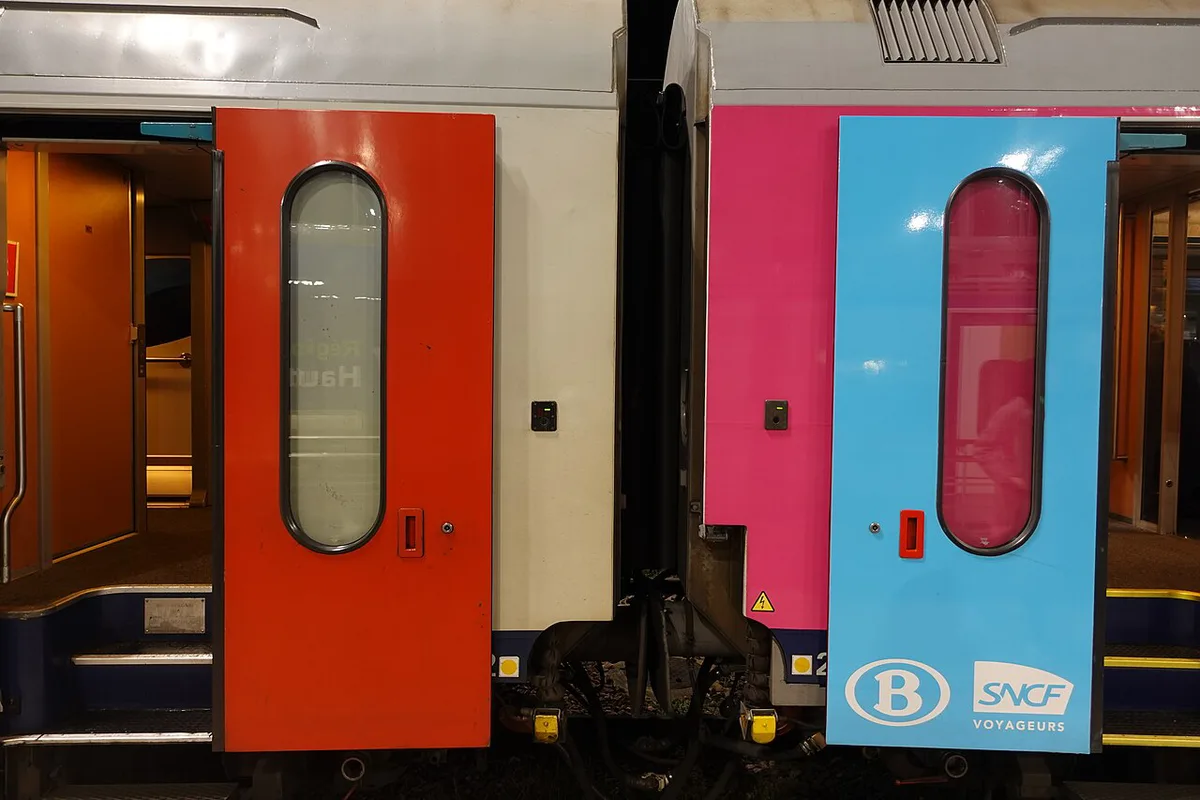
Ouigo tickets are sold online only. TGV inOui tickets are also sold at station counters, which helps if you want to talk to an agent. Ouigo sells point-to-point tickets, so a missed connection on a separate ticket is your own risk. Plan a generous buffer if you continue by regional train, and see our TER regional trains guide for onward travel. For booking and comparing both brands, use SNCF Connect: How to Book, Pay and Fix Problems (Visitor Guide). Rail passes generally do not cover Ouigo, so check the Eurail France pass terms first. Our France rail pass guide explains whether a pass pays off.
Who Should Choose Which
Match the brand to your trip, not to your budget.
- Solo traveler or couple with one carry-on: Ouigo, if your dates are fixed.
- Family with luggage: inOui, to avoid bag fees and gain flexibility.
- Tight connection or separate onward ticket: inOui, for lower missed-connection risk.
- Business or changing schedule: inOui, for exchangeable options.
- Last-minute trip: compare both, since fares and fees vary by date.
- Rail pass holder: inOui, because passes generally do not cover Ouigo.
Common Mistakes to Avoid
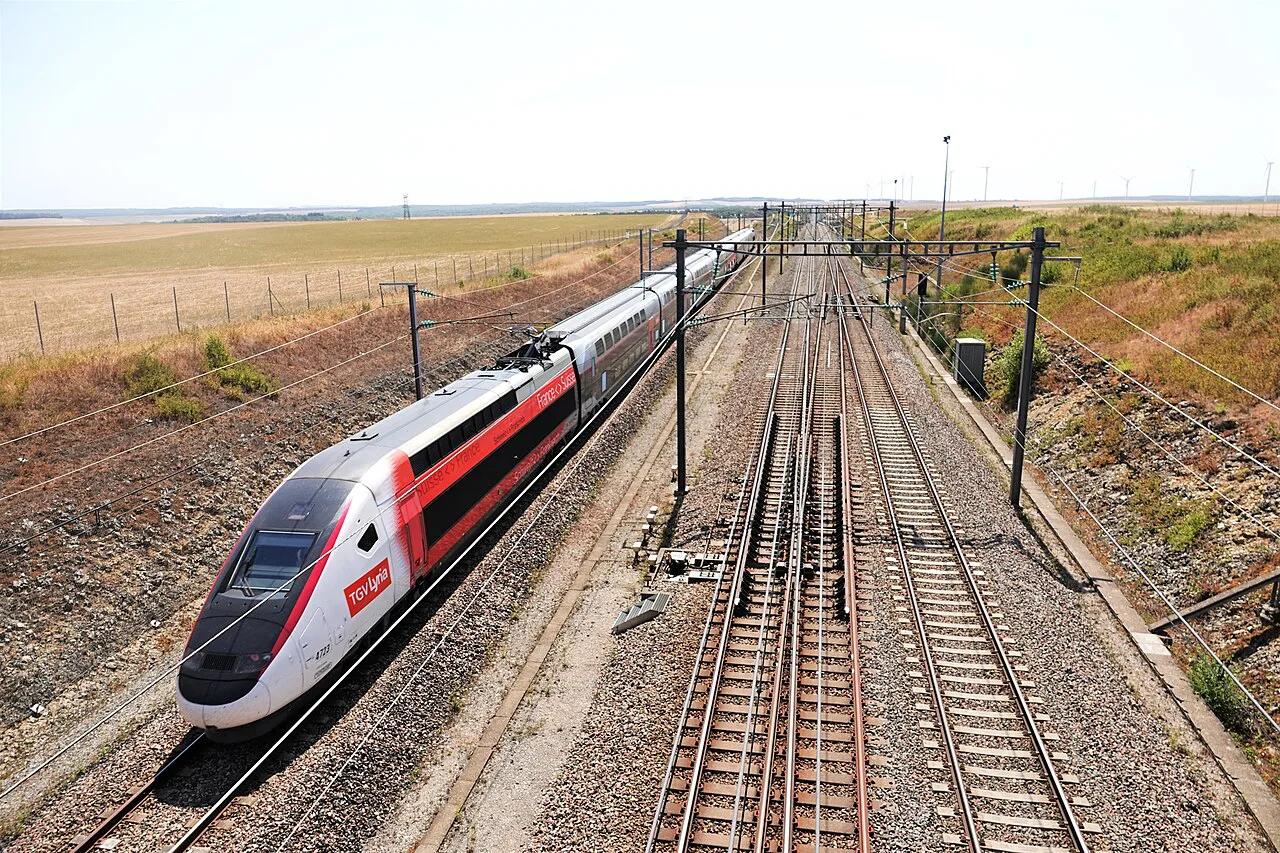
Travelers most often assume Ouigo leaves from the same station as inOui. Others book a tight separate connection, underestimate bag fees, or pick a station far from their hotel. Check the Ouigo boarding and check-in cutoff on the official site before you travel. Crossing to Switzerland instead? TGV Lyria: Paris to Switzerland by Train (Guide) is a separate brand with its own rules.
Frequently Asked Questions
Which is better, TGV INOUI or OUIGO?
Neither wins every trip. Ouigo suits light travelers with fixed plans and early bookings. TGV inOui suits anyone with large bags, a tight connection or a schedule that may change. Compare the total cost, including bags and station transfers, before deciding.
What's the difference between TGV and INOUi?
TGV is the high-speed train type, and inOui is SNCF's brand for the standard TGV service. Ouigo is the low-cost brand using the same trainsets. SNCF introduced the inOui name in 2017 to separate it from Ouigo.
Rail notes for your next trip
Optional updates when our rail guides change.
Related guides


More guides
Picked from the same area