
France Rail Pass: Is It Worth It, or Are Tickets Cheaper?

Last updated November 2026: for most short trips, a France rail pass costs more than advance point-to-point tickets. A pass pays off only with many long-distance legs, flexible dates or a multi-country route. Our guide to trains in France covers the wider network behind that verdict.

Featured image: usf1fan2, CC0 1.0, via Flickr.
Short answer: do you need a France rail pass?
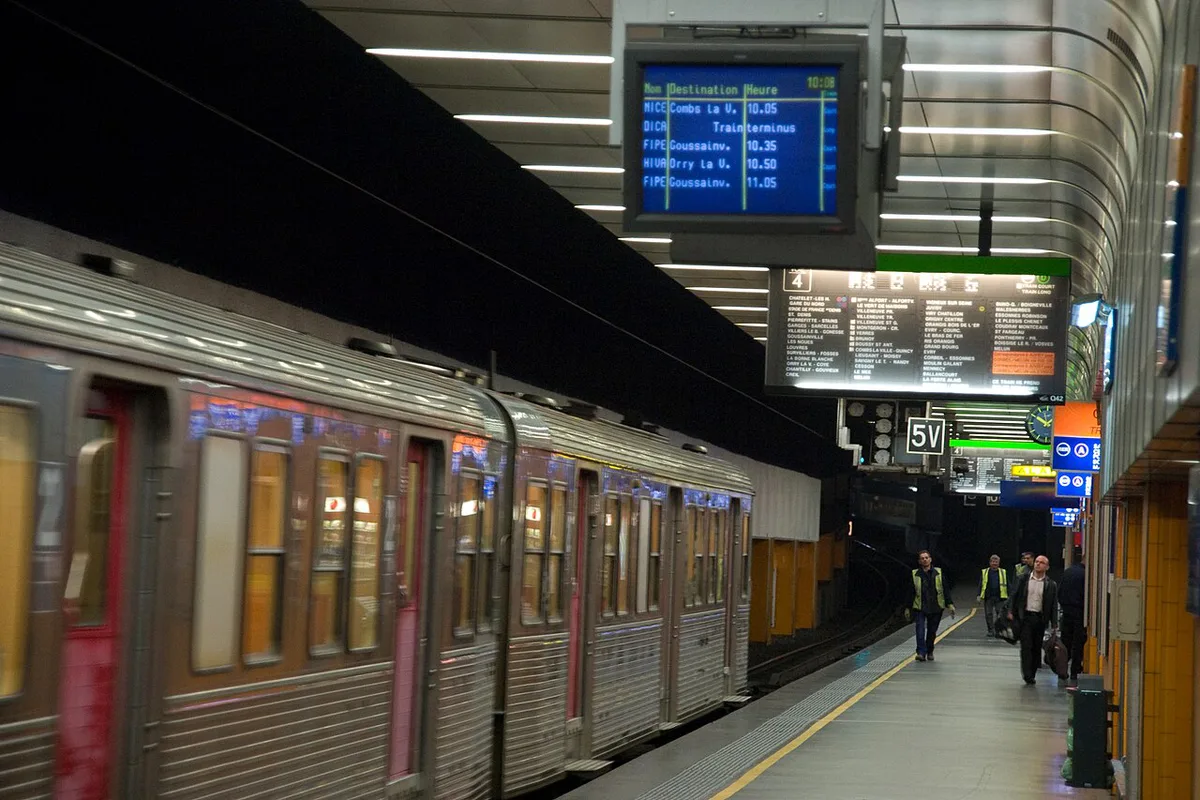
Probably not. Advance fares on TGV INOUI, or OUIGO on suitable routes, usually undercut a pass on a trip with a fixed itinerary. A pass earns its place when you want to change plans at short notice. It also helps when you are stringing together several long legs, or when France is one stop on a wider rail trip. Fares and pass terms change, so check both on the official pages before you commit.
What a France rail pass actually is

France has no national pass sold by the state railway for visitors. The products on offer are one-country passes from the pass companies, plus multi-country passes that include France. Both Eurail and Interrail sell a France-only pass: see the Eurail France Pass for non-European residents. European residents should look at the Interrail France Pass.
- France-only pass: covers travel days inside France, sold by Eurail or Interrail depending on where you live.
- Multi-country pass: worth considering only if France is one of several countries on the route.
- Point-to-point ticket: fixed train and date, bought through the operator or SNCF Connect: How to Book, Pay and Fix Problems (Visitor Guide).

When a France rail pass beats point-to-point tickets
Use a simple break-even method instead of trusting a headline price. List every long-distance leg on your route. Look up the advance fare for each leg in SNCF Connect for your actual dates. Add them up, then compare the total with the pass price plus the reservation fee on each high-speed train. Short hops on regional trains rarely justify a pass on their own.
Loop of 3 or more cities can favor a pass, but only if dates may change, since pass holders draw from a limited seat quota.

| Trip style | Likely best option | Cost risk | Flexibility |
|---|---|---|---|
| One city base with day trips | Point-to-point tickets or regional fares | Low, since few long legs | Medium |
| Paris to the Riviera and back | Advance tickets, often cheaper than a pass | Pass plus reservation fees can exceed fares | Low with advance tickets |
| Loop of 3 or more cities | Compare both; a pass can win with changing dates | Quota sell-outs on pass seats | High with a pass |
| Multi-country rail trip | A multi-country pass is worth pricing | Reservation fees in several countries | High |
- Worked example, Paris to Lyon to Marseille: this route has two long high-speed legs, and a third if you return to Paris.
- Price the legs as advance tickets first. If you fix your dates weeks ahead, the tickets usually win.
- Price the pass only if you might change days or add side trips. Then add seat reservations for each TGV leg.
- Compare the two totals. The cheaper one is your answer, and no rule of thumb replaces that check.

Reservations: what pass holders still have to book
High-speed trains such as TGV INOUI and TGV Lyria to Switzerland require a seat reservation even if you hold a pass. Pass holders draw from a limited quota of seats per train, and that quota can sell out on busy days. Regional trains work differently. Most TER regional trains need no reservation, but check on the pass seller's page whether your route is covered. OUIGO is a separate low-cost operator, so assume a pass does not cover it unless the pass seller says otherwise. The full comparison sits in our OUIGO versus TGV INOUI guide.

Where to buy and how to avoid extra fees
Buy point-to-point tickets from the operator or through SNCF Connect: How to Book, Pay and Fix Problems (Visitor Guide), which sells most French routes in one place. Buy passes only from the official seller pages linked above. Third-party resellers can add service fees, so compare the final checkout total rather than the headline fare. Prices and rules checked November 2026 can still change, so recheck at checkout. After purchase, keep the e-ticket on your phone and be ready to show or scan it when asked. If you hold a pass, fill in the travel-day log exactly as the pass terms require, since an unlogged day is a common cause of fines.

Paris stations and routes to plan around
Paris has several mainline stations, and boarding at the wrong one is a common mistake. Our Paris train stations guide explains the layout. Trains toward Lyon and Marseille typically leave from Gare de Lyon Paris: Trains, Metro/RER Access & Station Guide. Services toward the west and southwest typically use Paris Montparnasse: Station Tips, Layovers & Things to Do. Routes toward the east typically use Paris Gare de l'Est. Match your ticket's station name to the timetable before you leave your hotel. The TGV Lyria official site lists the Switzerland services.

Who should buy a pass, and who shouldn't
Skip the pass if you know your dates, base yourself in one or two cities, or can use OUIGO. Buy one if your plans are open, you expect many long legs, or you cross several borders. Children, youth and senior discounts can change the math in either direction, so check eligibility and age bands on the official pass pages. Run the break-even check above for your actual route before paying for anything.

Frequently Asked Questions
What is the train pass in Europe?
A European train pass is a product from Eurail or Interrail that covers travel days across several countries. One-country versions, including a France pass, also exist. Seat reservations and supplements often cost extra on high-speed trains.
What is the best train to travel in France?
For long distances, TGV INOUI is the standard high-speed choice. OUIGO is the low-cost alternative on suitable routes. Our comparison page sets the two side by side.
Rail notes for your next trip
Optional updates when our rail guides change.
Related guides

More guides
Picked from the same area