
Paris to Chamonix by Train: Route and Booking Tips
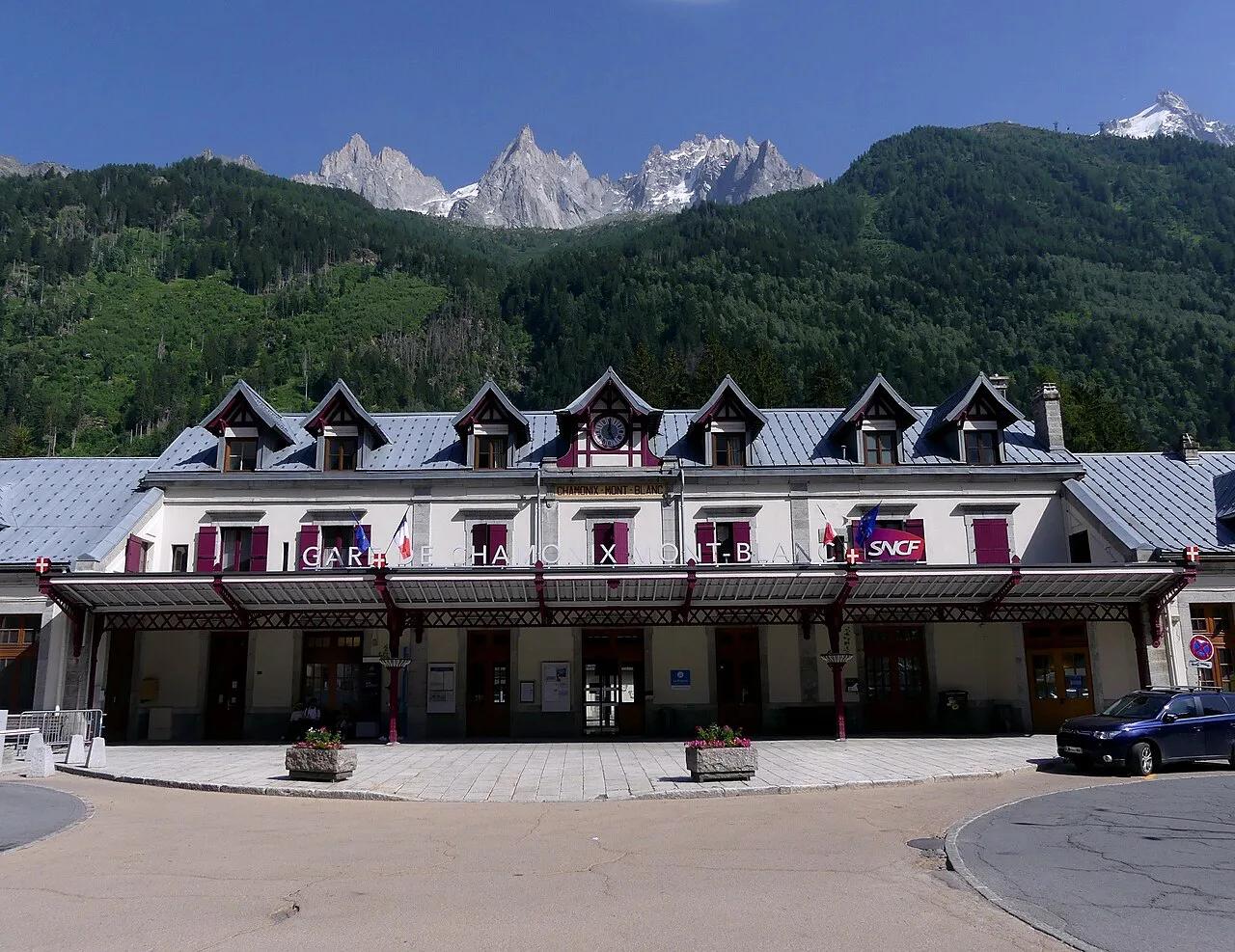
Last updated November 2026. The Paris to Chamonix train journey has no single direct service, so plan on about 6 hours and 2 changes. This guide covers the route, fares, booking choices and the alternatives that suit some travelers better.
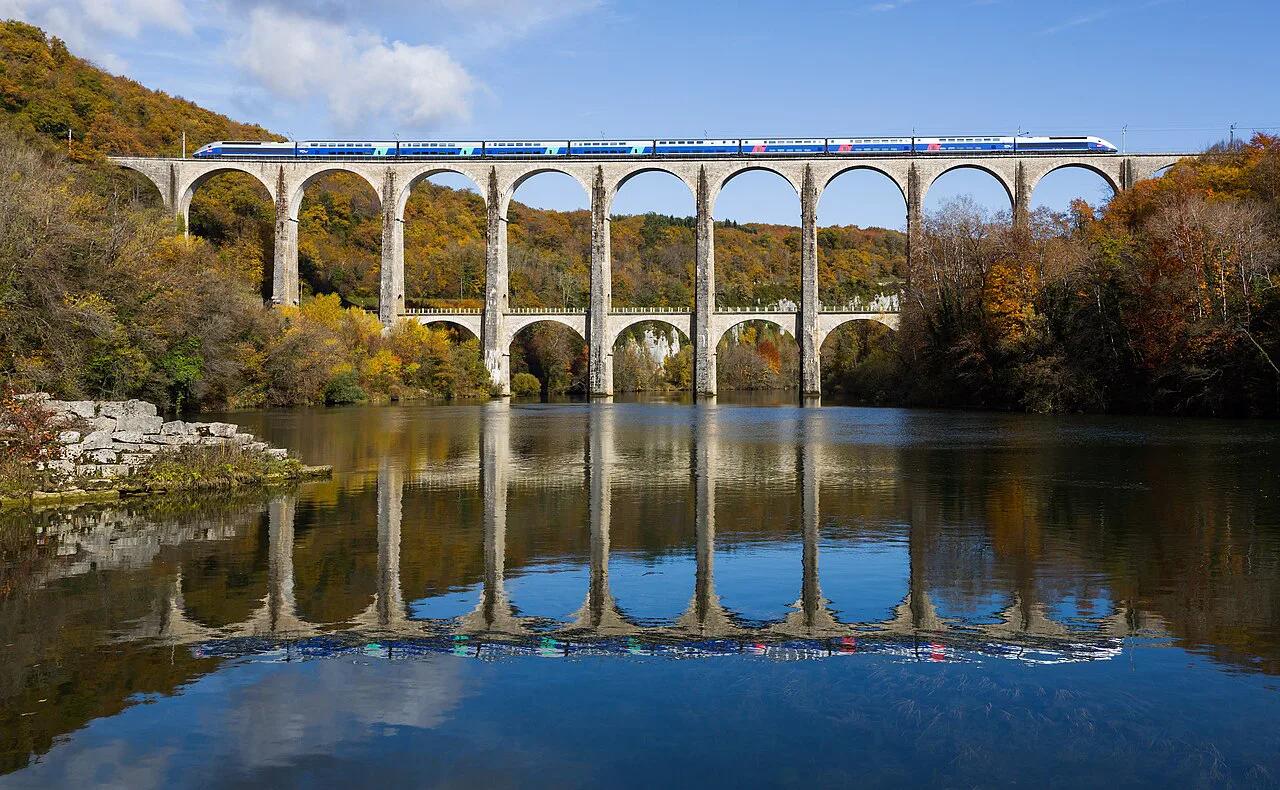
Featured image: Florian Pépellin, CC BY-SA 4.0, via Wikimedia Commons.
Quick answer: Paris to Chamonix by train
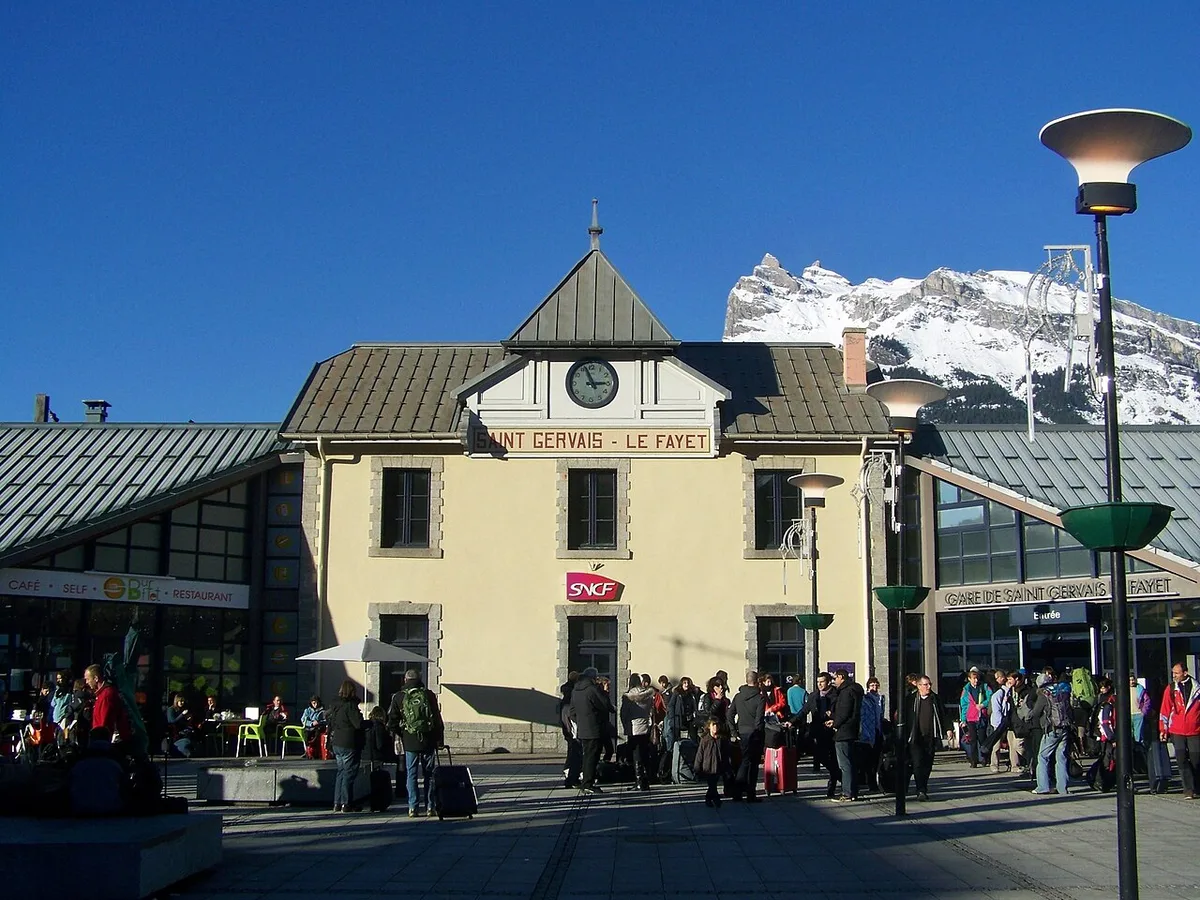
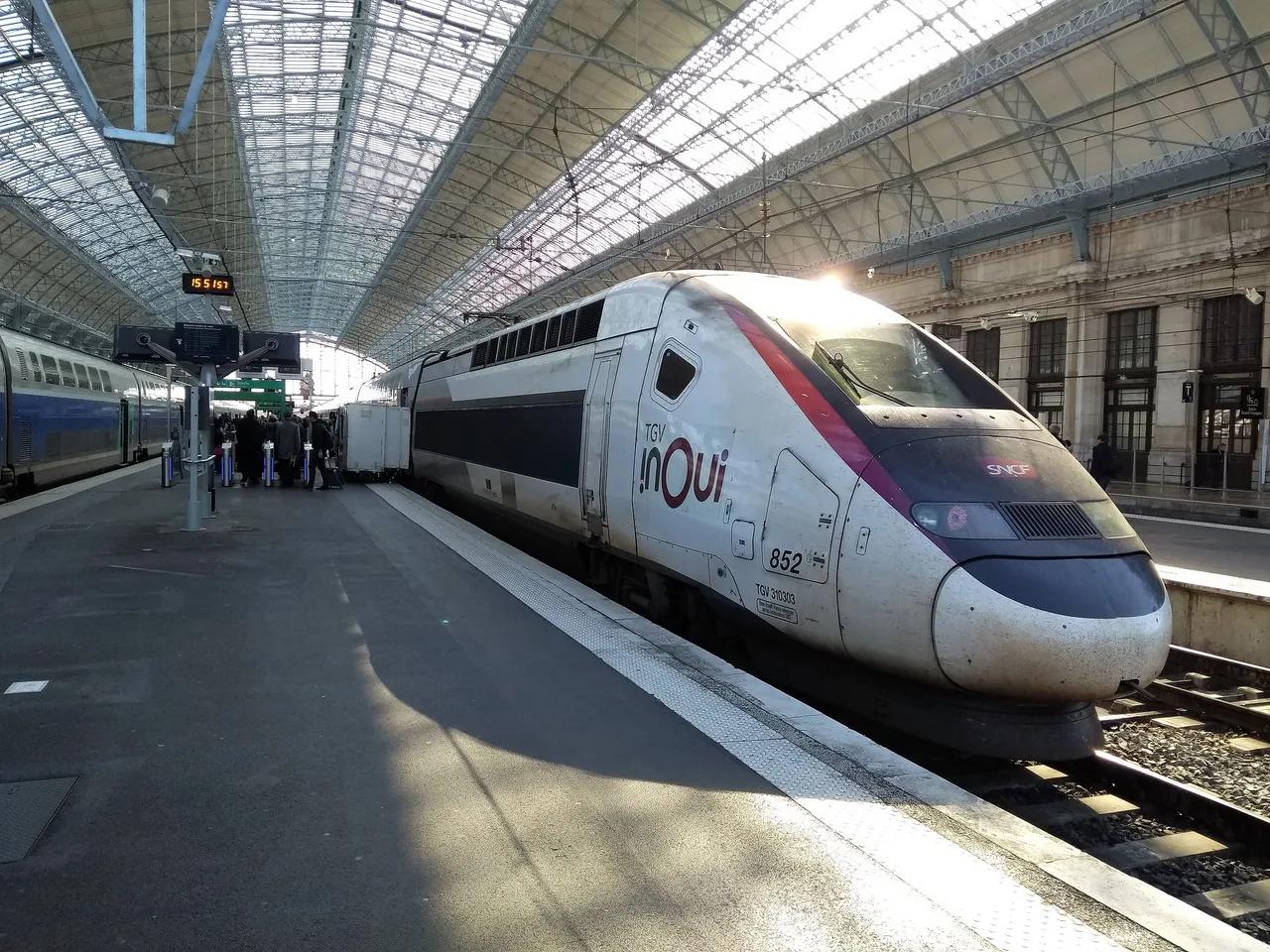
Trains leave Paris Gare de Lyon and reach Chamonix-Mont-Blanc after two changes. Average journey time is about 5h 55m over roughly 473 km. Some departures run far longer, with one listed itinerary taking 9h 8m. Fares start from €15 for an advance TGV INOUI Prem's ticket. Most travelers get a TGV for the long leg, then regional trains up the Arve valley. Direct TGV INOUI runs to Saint-Gervais-Le Fayet exist on some services, mostly in winter and summer peaks, and they cut the changes.
The route, step by step
Every itinerary follows the same logic. You start at Paris Gare de Lyon, ride a high-speed train south-east, and change onto regional trains toward the Mont Blanc valley. Booking platforms list Saint-Gervais, Annemasse, Bellegarde, Aix-les-Bains and Chambéry as feeder stations for Chamonix. Most itineraries end on the line through Saint-Gervais-les-Bains-Le Fayet, where the Mont Blanc Express carries you up to Chamonix. Lyon is a common big-city change on rail routes in this region. Our Paris to Lyon train guide covers that first leg. Your exact connection station depends on the departure you pick, so read the itinerary on SNCF Connect before paying.
Timetable and how long to allow
Expect about 4 trains a day with two changes. Typical journeys run close to 6 hours, but slower options reach 9h 8m. Direct TGV INOUI services to Saint-Gervais-Le Fayet are the exception rather than the rule. Pick the earliest departure that fits your plans, because a late start leaves little slack if a connection fails. Arriving on a winter evening after a missed change is the scenario to avoid. Treat any timetable you see on a third-party site as a guide, and take final times from SNCF Connect.
Tickets, fares and when to book
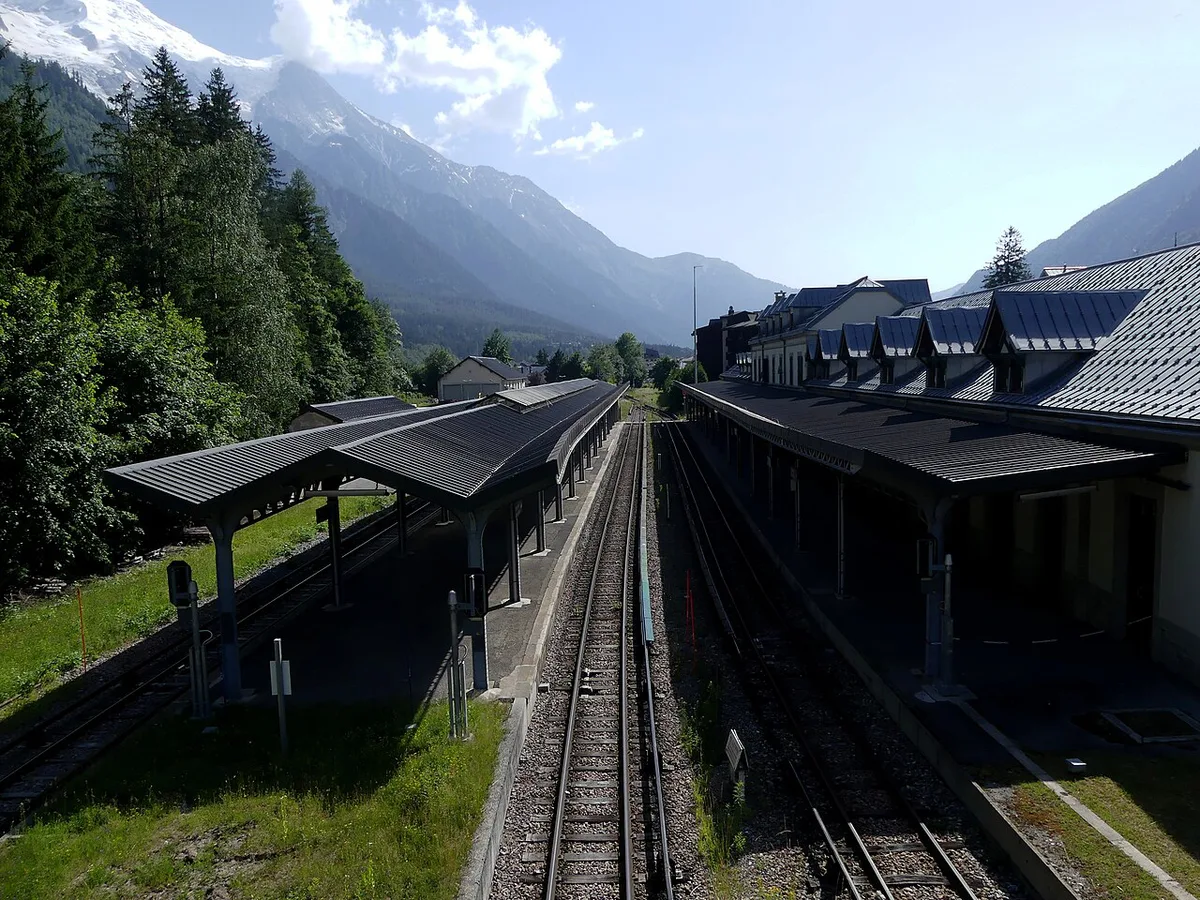
Advance TGV INOUI Prem's tickets start from €15. They can be booked up to about four months ahead and are exchangeable under conditions. Second-class fares booked 3-4 months out save an average of 35%, and the best fares appear 90-180 days before travel. Our TGV booking and fare guide explains the classes in more detail. The Carte Avantage costs €49 a year and gives 30% off for adults. On a single cheap advance fare it rarely repays itself, so it suits repeat travelers more than one-trip visitors.
- Book one through ticket on a single reservation so SNCF protects your connections if a leg runs late.
- Split tickets can look cheaper, but a missed change on separate bookings leaves you to rebuy.
- Choose Prem's if your dates are fixed, and a flexible fare if your plans may shift.
- Use SNCF Connect to compare itineraries and buy the whole journey in one go.
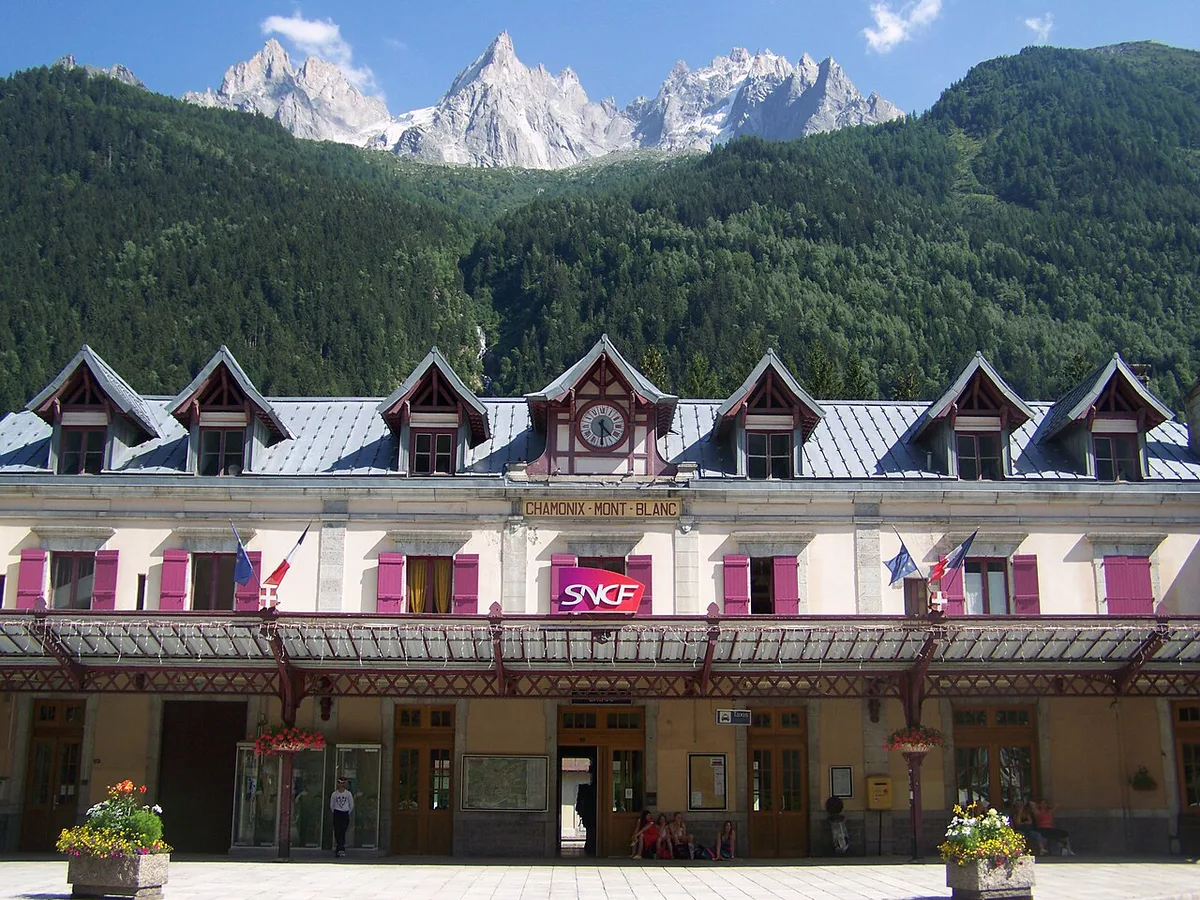
TGV INOUI fare types and night train options
The long leg from Paris Gare de Lyon is usually a TGV INOUI, and the fare type you choose affects price, flexibility and comfort more than the departure time does. Fares change by date and demand, so check SNCF Connect for the exact price on your day.
TGV INOUI fare and seat choices
- Prem's: the cheapest advance fare, from €15. It suits fixed dates and is the one to grab when sales open about four months ahead.
- Seconde (second class): the standard fare. It costs more than Prem's but gives more flexibility to change or exchange.
- Première (first class): wider seats and a quieter carriage. It is worth considering on a 6-hour journey with luggage.
- Business Première: the top tier on selected TGV INOUI services, with extra comfort and flexibility. It is offered on some departures only, so check whether your train carries it.
Whichever class you pick, buy the full journey on one booking so your changes are protected. Only the TGV leg is reserved. Regional connections up the Arve valley may be covered by the same ticket or sold separately, and SNCF Connect shows which.
Is there a night train to Chamonix?
Overnight Intercités services in France have been cut back in recent years, and Chamonix itself has no direct night train from Paris. If an overnight option to the Mont Blanc area appears on SNCF Connect for your date, treat it as a seat or couchette service and check where it terminates. You will still need a morning regional connection to Chamonix. For how overnight rail works in practice, see our Paris to Berlin night train guide. For most travelers, a daytime TGV with a booked through ticket is the more reliable plan.
Train vs Geneva transfer vs flying vs driving
The train is not always the best choice. Geneva and Annecy are both useful gateways, with a bus or transfer finishing the trip. Read our Paris to Geneva train guide for the Geneva option. For a quieter base on the way, see Paris to Annecy by train. Skip the train if you carry heavy ski gear, travel in a group, or cannot risk a missed connection. Cost levels below are relative, not quoted fares.
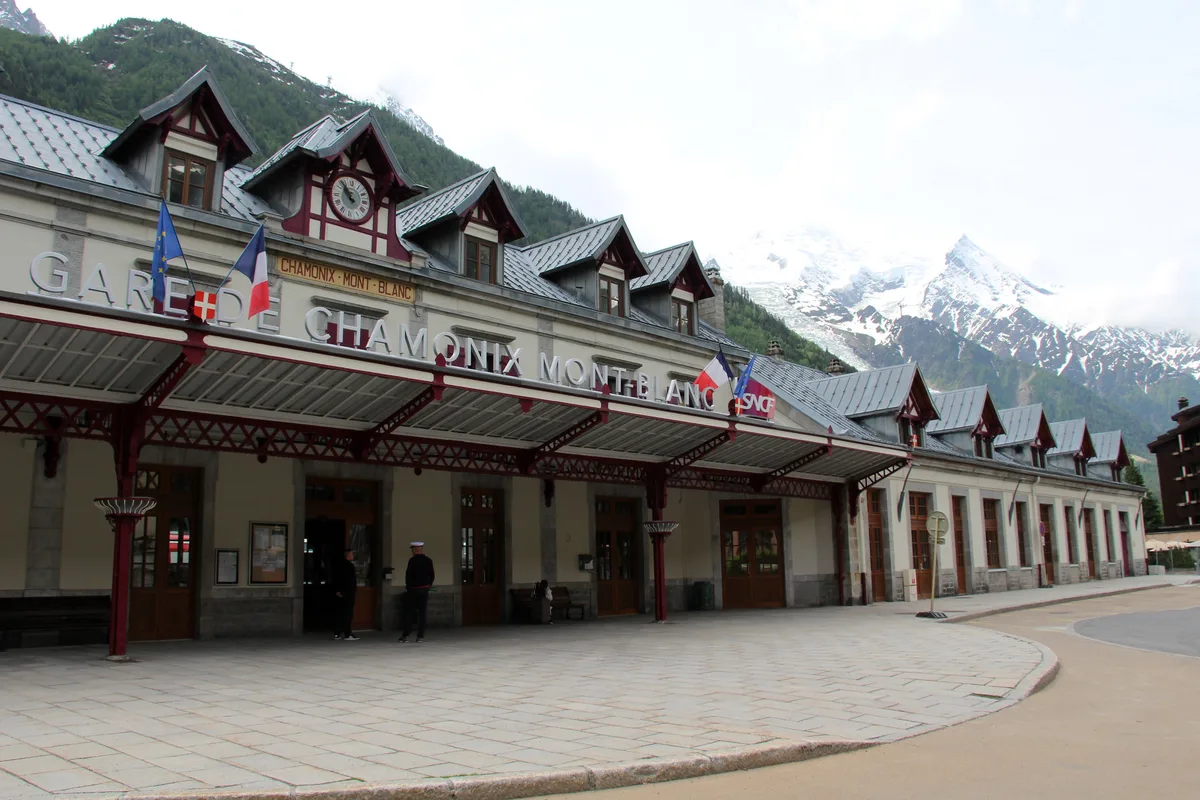
| Option | Time | Cost level | Changes | Luggage friction | Best for |
|---|---|---|---|---|---|
| Train with changes | About 6 hours, up to 9h 8m | Low to medium | 2 | High on regional legs | Budget travelers with light bags |
| Train to Geneva, then transfer | Varies by connection | Medium | 1 plus transfer | Medium | Travelers who want fewer rail changes |
| Train to Annecy, then bus | Varies by connection | Medium | 1 plus bus | Medium | Those who want an overnight stop |
| Fly to Geneva, then shuttle | Varies by flight | Medium to high | Shuttle | Low to medium | Visitors starting far from Paris |
| Drive or car share | Varies with traffic and weather | Medium to high | None | Lowest | Groups with ski or hiking gear |
What can go wrong
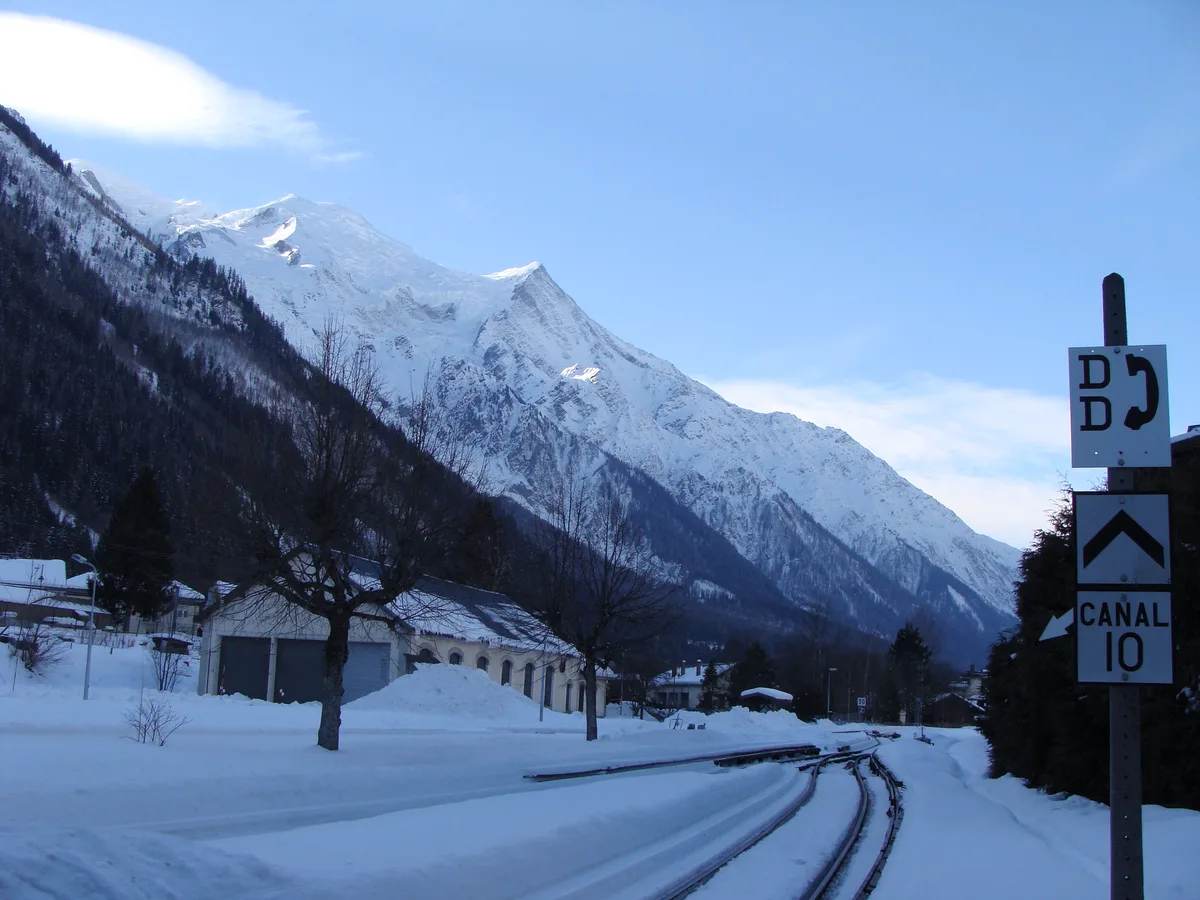
Two changes mean two chances for a delay to cascade. Check the connection time on each leg before you buy, because tight changes are the most common failure point. These are the main risks to plan around.
- Missed connections: short changes on a single leg can strand you at a regional station.
- Rail strikes: check SNCF Connect for disruption notices in the days before you travel.
- Winter weather: snow can disrupt road transfers and slow valley services.
- Baggage: regional trains have less luggage space than a TGV, which matters with skis.
- Late arrivals: a delayed departure can push you into Chamonix after the last convenient service.
Arriving in Chamonix
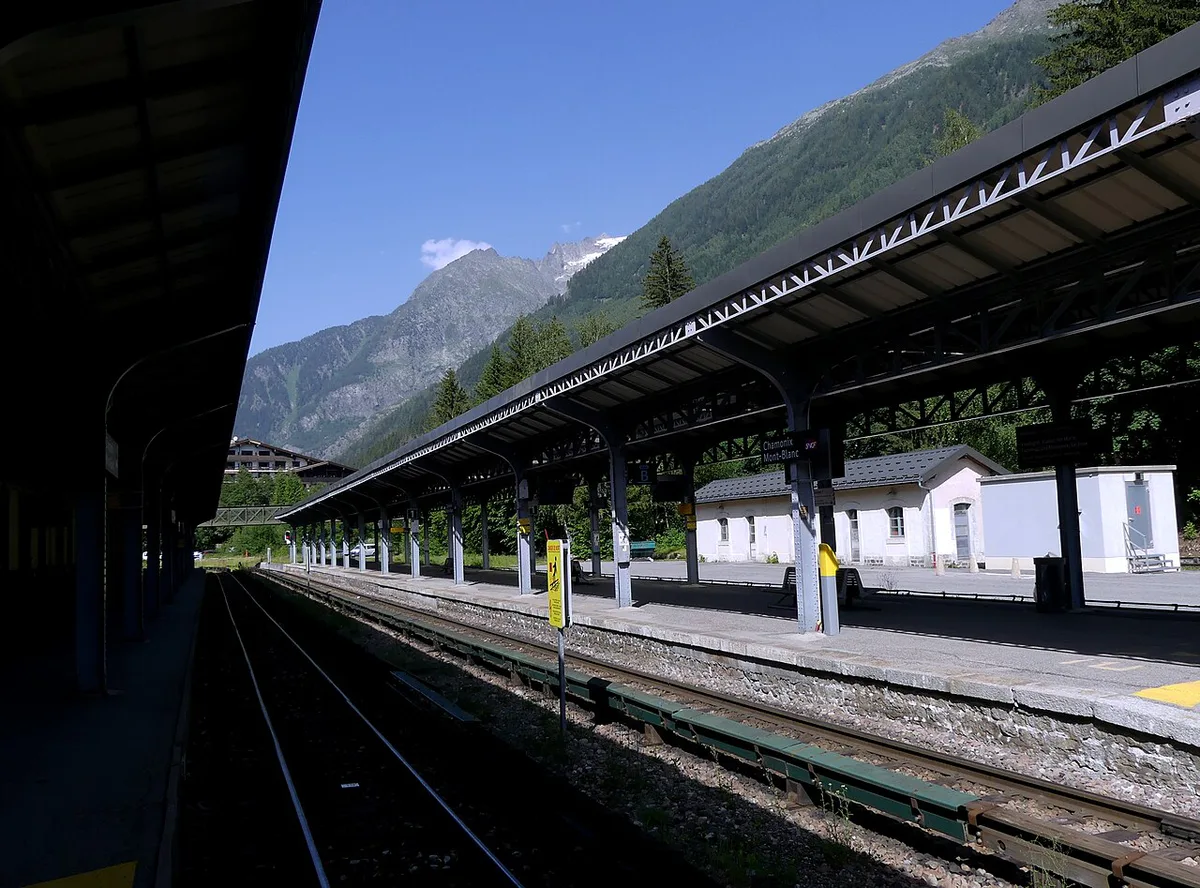
Chamonix is a hiking base in summer and a ski base in winter, and your bags will differ accordingly. Trains terminate at Chamonix station, and local accommodation can tell you how to reach your lodging. Ask your host about the guest transport card and bus links to the lifts. The Aiguille du Midi cable car is a major draw, so check the operator's site for hours and prices. Onward moves to Courmayeur go through the Mont Blanc tunnel by road, so confirm the current bus operator before you travel.
Frequently Asked Questions
What's the easiest way to get to Chamonix?
The simplest rail option is a single through ticket from Paris Gare de Lyon with two changes. Travel by Geneva transfer or by car if you want fewer connections or have heavy ski gear.
How far is the French Alps from Paris?
The rail route from Paris to Chamonix runs about 473 km. Expect roughly 6 hours by train with two changes, though slower itineraries reach 9h 8m.
Rail notes for your next trip
Optional updates when our rail guides change.
Related guides

More guides
Picked from the same area