
Paris to Strasbourg by Train: Times, Stations & Tickets
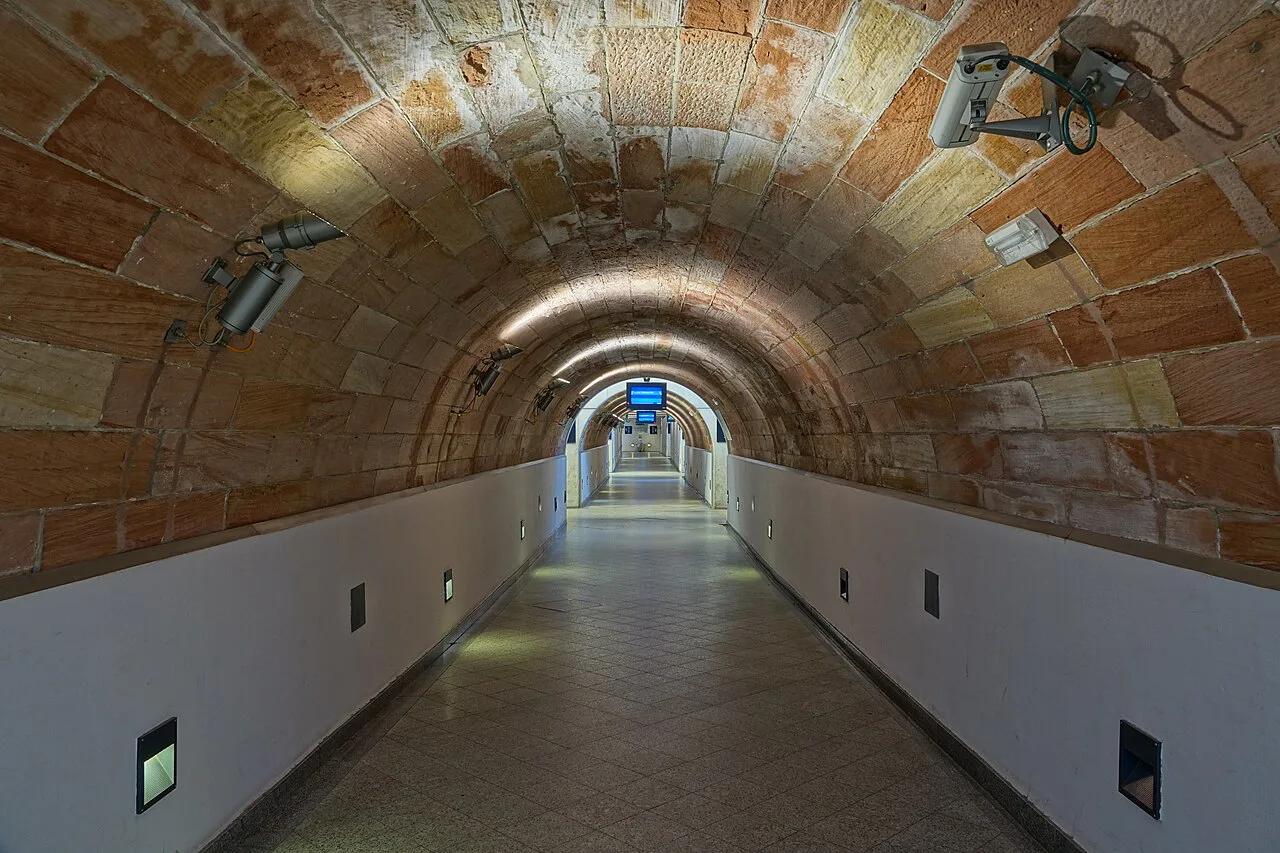
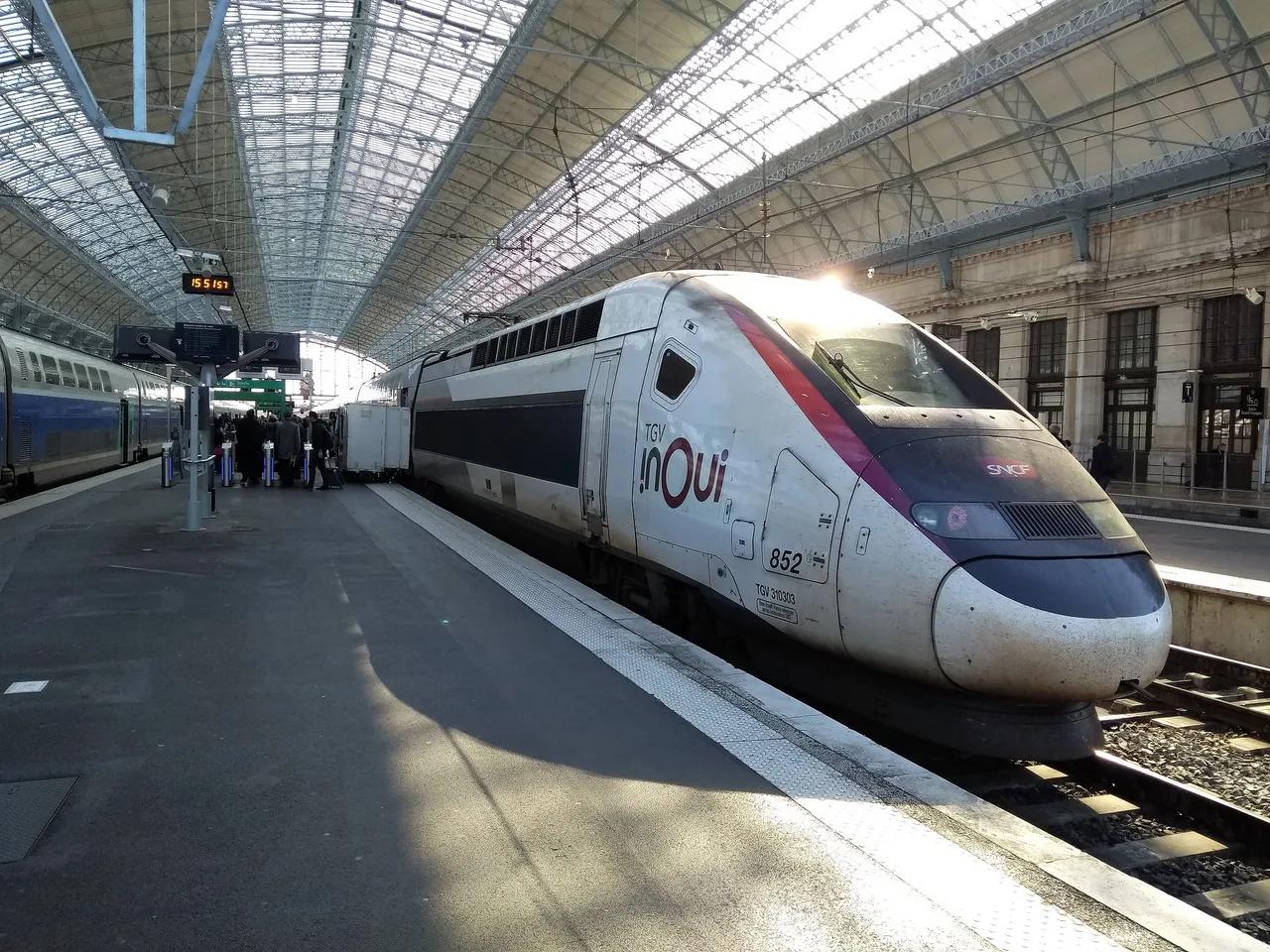
Last updated November 2026: the paris to strasbourg train is a direct TGV INOUI service that leaves from Paris Gare de l'Est on the LGV Est européenne. Journeys take roughly 1h50 to 2h20, depending on the service you pick. Read our TGV basics guide first if you have never booked a French high-speed train.
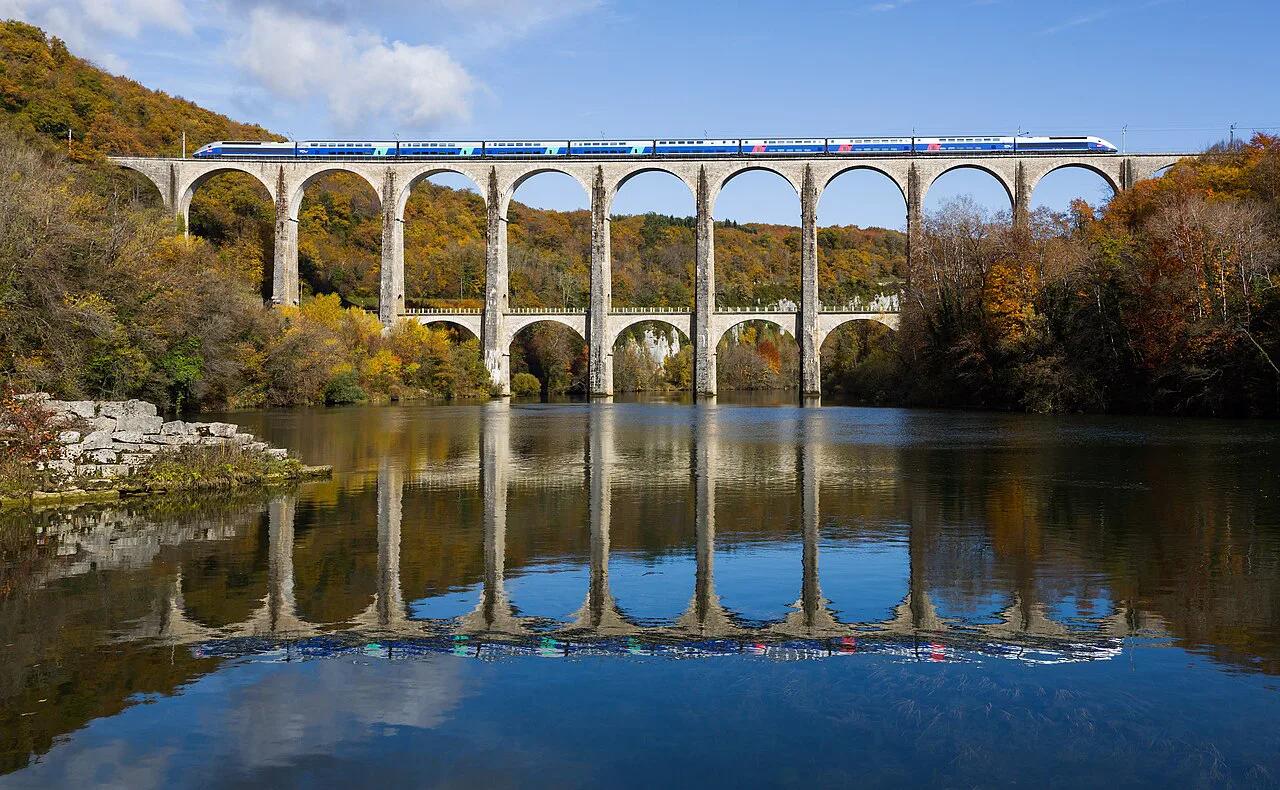
Featured image: Gzen92, CC BY-SA 4.0, via Wikimedia Commons.
Quick answer: Paris to Strasbourg by train
Direct TGV INOUI trains link Paris Gare de l'Est with Strasbourg on the LGV Est européenne high-speed line. Fastest services take roughly 1h50, and slower direct ones run closer to 2h20. Frequency is steady through the day, so you can usually choose a departure that fits your plans. Fares depend heavily on how early you book and how flexible the ticket is.
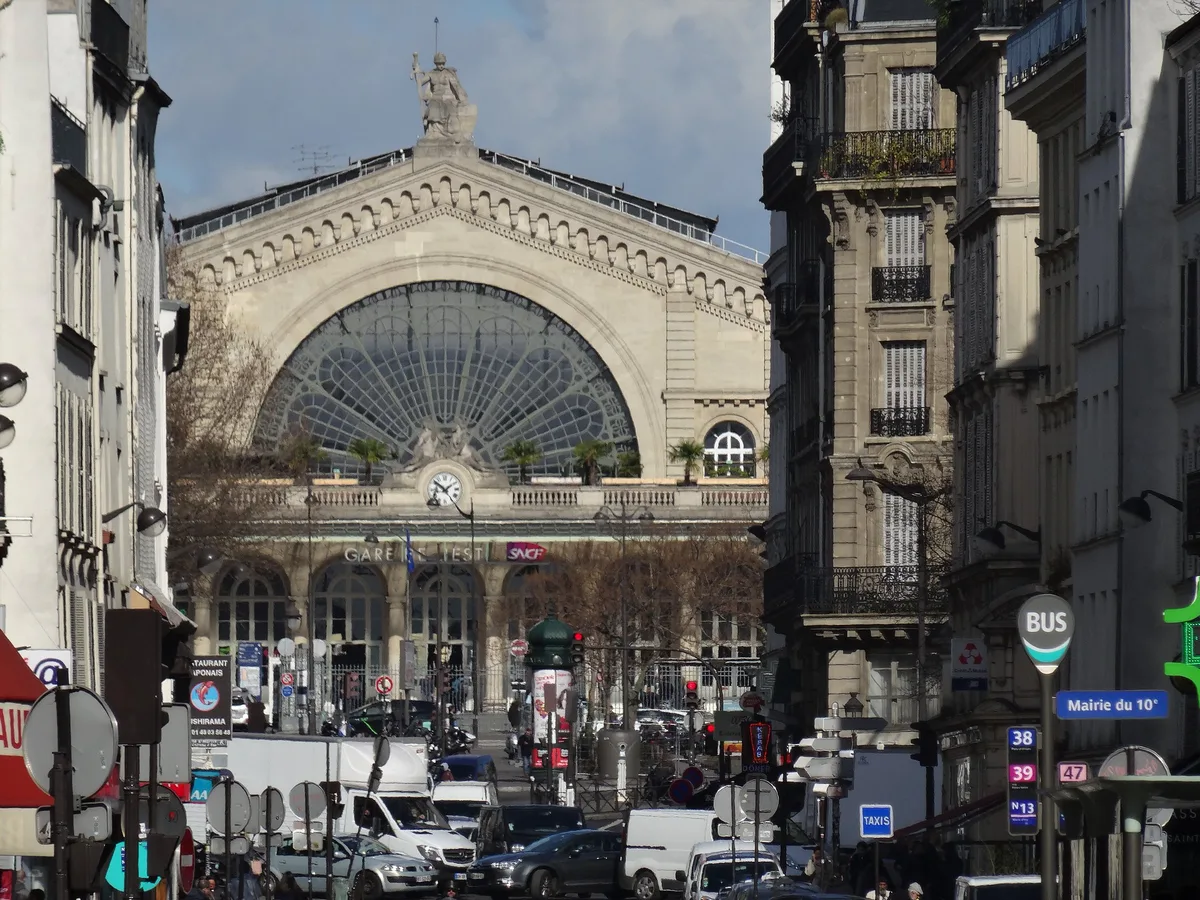
- Departure: Paris Gare de l'Est, not Gare du Nord.
- Arrival: Strasbourg's main station, within reach of the historic center on foot or by tram.
- Duration: roughly 1h50 to 2h20 on direct TGV INOUI services.
- Changes: none on a direct train.
- Best fare logic: book early for the cheapest tickets, and pay more only if you need flexibility.
Which Paris station to use, and how to avoid the wrong one
Go to Paris Gare de l'Est. Gare du Nord sits nearby and handles other routes, so a ticket that says Gare de l'Est should never send you there. Some booking pages list the wrong station, so read the departure station on your ticket before you leave your hotel. Allow a buffer of at least 30 minutes between arriving at the station and your departure. That margin covers metro delays, security queues and the walk to the platform. Platforms are usually announced shortly before departure, so watch the main departures board once you are inside.
Journey time, stops and train types
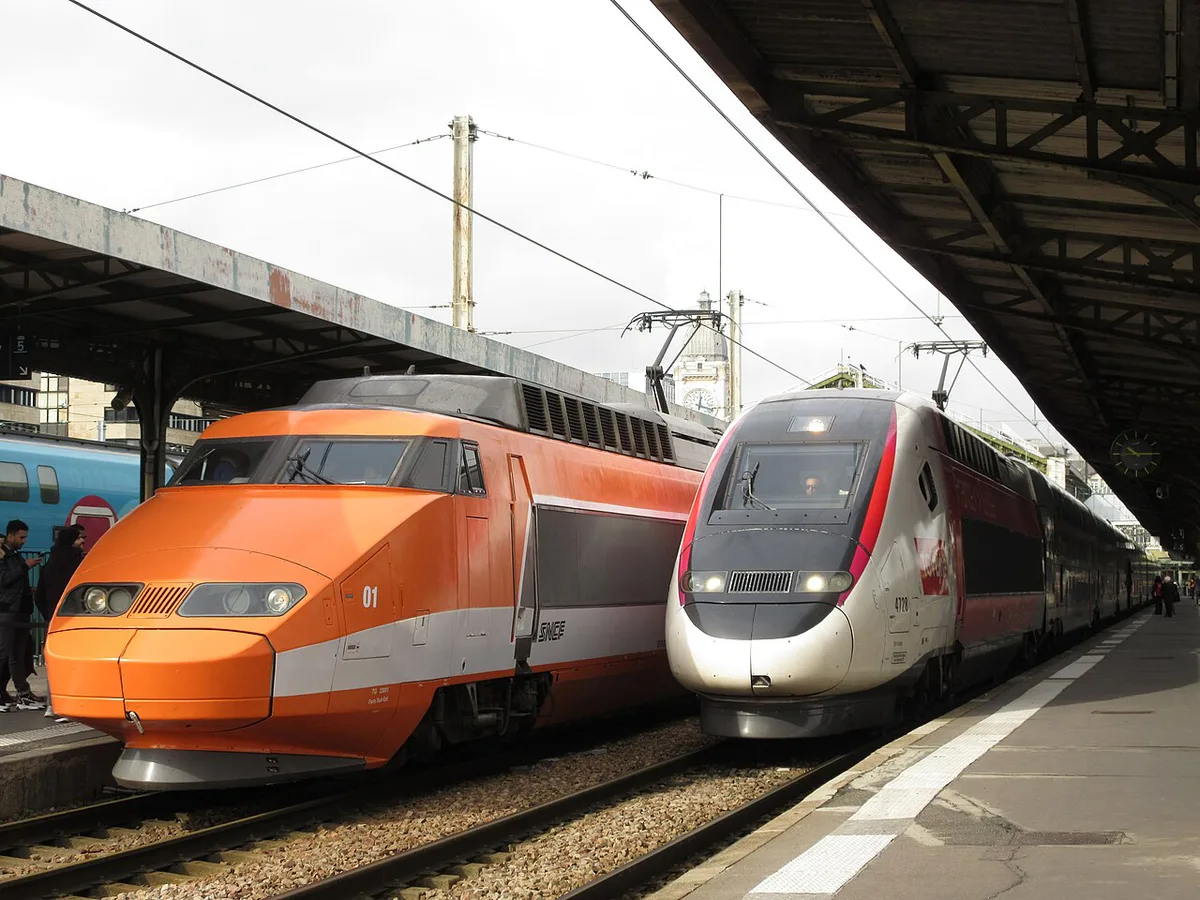
Direct TGV INOUI trains are the standard choice for this route. Journey time varies by service, with the quickest trains finishing in roughly 1h50 and slower ones taking up to about 2h20. Some direct trains call at stations in the Champagne-Ardenne and Lorraine areas, which adds time. Look at the stops listed for each departure in the live timetable before you buy. Trains that stop less often are the ones to pick if speed matters most.
- Direct TGV INOUI: roughly 1h50 to 2h20, no change, best for most travelers.
- Connecting itinerary: longer and less predictable, mainly useful when no direct seat is left at your price.
- No overnight train is needed for this trip, because the whole journey fits comfortably inside a daytime departure.
Paris to Strasbourg train tickets and how to pay less
Fare notes here are relative and were checked in November 2026. Exact euro prices change by date and time, so the live fare on the operator's site is the only figure worth trusting. Early booking almost always beats late booking. Departure time matters too, since commuter-hour and holiday trains cost more than midday or mid-week ones. Cheaper tickets usually carry tighter change and refund conditions. Read those conditions on the checkout screen before you pay, because they differ by fare. Low-cost operator OUIGO publishes its own fares, so compare it if your dates are flexible and its timetable covers this route.
| Fare type | Price level | Flexibility and refunds |
|---|---|---|
| Advance fare, booked early | Lowest | Most restricted; changes and refunds are limited or fee-based |
| Flexible fare | Highest | Easiest to change or cancel, with the most generous conditions |
| Peak-time or last-minute fare | Often high | Depends on the fare type attached to the seat |
- Mistake to avoid: buying a cheap fare when your plans may change.
- Mistake to avoid: booking a departure from Gare du Nord by assuming it is the main Paris station.
- Mistake to avoid: leaving a holiday-weekend booking until the last days.
Booking: where to buy and what to check
Start with SNCF Connect or the operator's own site, since both show the full direct timetable and the real fare rules. Third-party resellers can be convenient, but they often add service fees and may show fewer fare conditions. Your ticket will be an e-ticket on your phone, and TGV services require a seat reservation. If you hold a rail pass, check that the pass still needs a reservation for this train. Reservation rules differ by pass and by service, so read the pass terms before you assume a seat is included. Travelers continuing south into Switzerland can pair this trip with the Paris to Zurich route. Anyone heading toward Lake Geneva can compare the Paris to Geneva option.
On the day: luggage, boarding and station tips
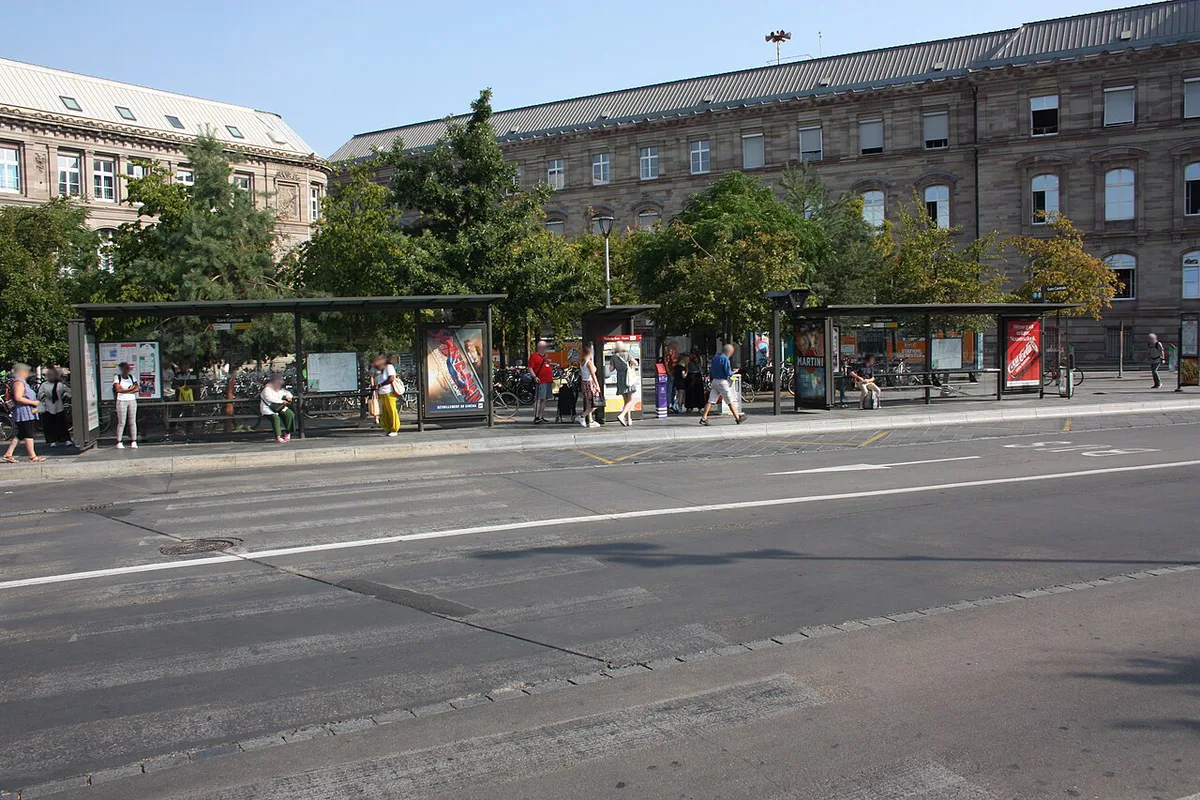
Arrive at Gare de l'Est with your ticket already on your phone. Platform numbers appear on the departures board shortly before boarding, so stay close to the board. Check your coach and seat number on the ticket, then walk along the platform to your car. Large bags go on the luggage racks at the end of each car or on the overhead shelves, so keep valuables with you. Food is usually available on board, but a sandwich from the station often costs less. A two-hour ride is short enough that you can skip a full meal. Lyon is another major TGV route from Paris if you want to compare boarding habits at a different station.
Platforms at Gare de l'Est are announced late, so keep at least 30 minutes spare for metro delays and security queues before you reach the platform.
Arriving in Strasbourg: station to city center
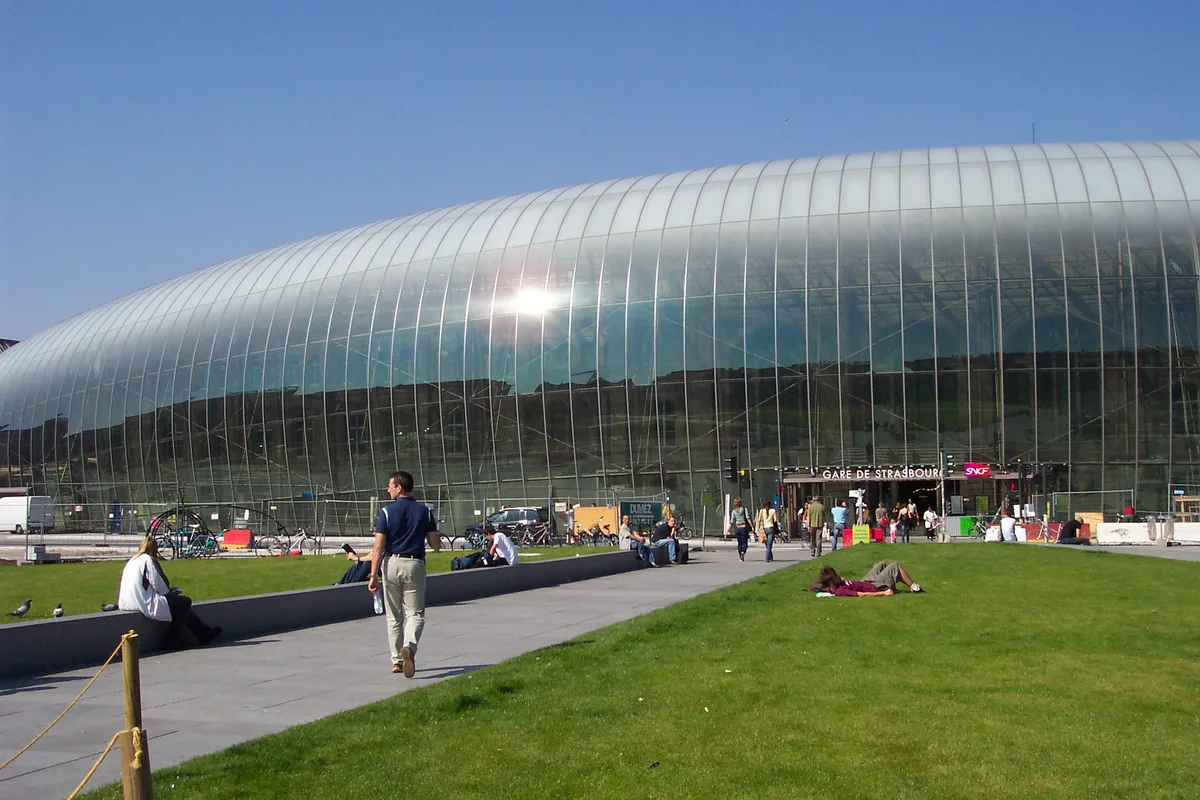
Your train arrives at Strasbourg's main station, and the historic center lies a short way from it. Walking works well if you carry light luggage and have daylight. Trams serve the station area if your hotel sits farther out, so check the local transit map for the route to your stop. In your first two hours, do three things in order. Drop your bag at the hotel, buy any local transit tickets you need, and then walk toward the center. Save sightseeing for later. Colmar and other Alsace villages are separate onward trips that need their own timetable check.
Is the train the right choice?
For most travelers going city center to city center, the train is the best fit. It avoids airport transfers and parking, and the journey takes about two hours. Compare the other options below before you decide. Skip the train if you are visiting Alsace villages that rail does not reach easily, because a car may suit that plan better. Skip it too if you must connect to a flight at an airport, since the transfers add risk.
| Option | Time | Cost and access |
|---|---|---|
| Direct TGV INOUI | Roughly 1h50 to 2h20, station to station | Moderate to high; city-center stations at both ends |
| Car | Depends on traffic and stops | Fuel, tolls and parking add up; useful for Alsace villages |
| Coach | Longer than the train | Often cheapest; fewer seat and luggage comforts |
| Flight | Short in the air, long door to door | Airport transfers and check-in add time and cost |
Frequently Asked Questions
How long does it take from Paris to Strasbourg by high speed train?
Direct TGV INOUI trains take roughly 1h50 to 2h20 depending on the service. Check the live timetable for the exact duration of each departure.
Is there a train from Strasbourg to Paris?
Yes, direct TGV INOUI trains also run from Strasbourg back to Paris Gare de l'Est. Journey times are similar to the outbound trip.
Rail notes for your next trip
Optional updates when our rail guides change.
Related guides

More guides
Picked from the same area