
Paris to Marseille by Train: Times, Tickets & Stations
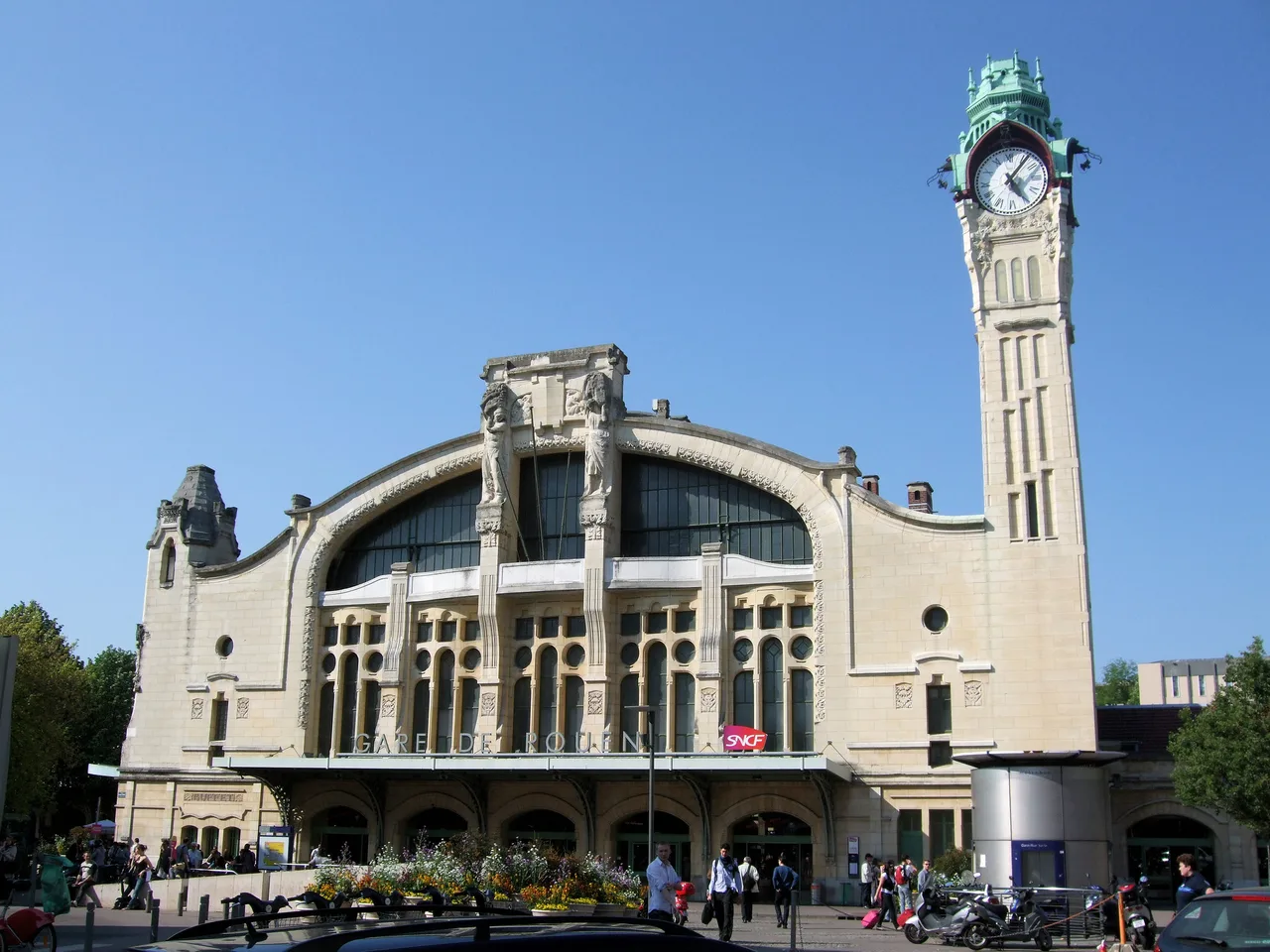
Last updated November 2026: the Paris to Marseille train runs direct from Paris Gare de Lyon to Marseille-Saint-Charles in around three hours. TGV INOUI covers the route, and OUIGO runs on some services. Advance fares can start from €19 one-way in Standard Class, so book early and compare operators on SNCF Connect.
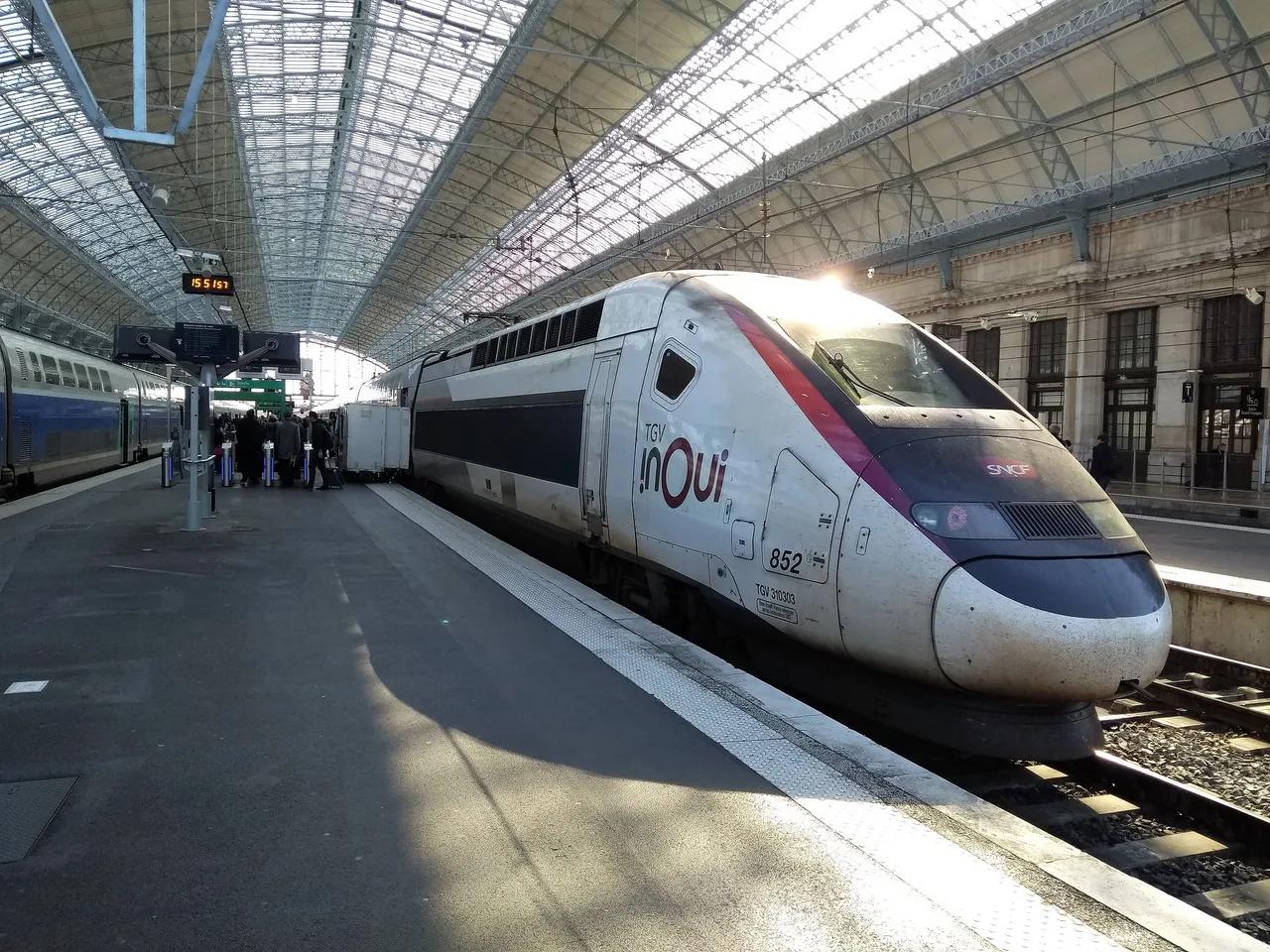
Featured image: Jim Linwood, CC BY 2.0, via Flickr.
Quick answer: the fastest Paris to Marseille train
Take a direct TGV from Paris Gare de Lyon to Marseille-Saint-Charles. The journey takes around three hours on the LGV Méditerranée high-speed line. No change is needed on a direct service. Fares start from €19 one-way in Standard Class when booked well ahead, and they climb as the date approaches. Prices and timetables checked November 2026 can shift with each timetable change, so confirm the exact departure on SNCF Connect before you pay.
Which Paris station for the Paris to Marseille train?
Gare de Lyon is the station you want for most Paris to Marseille trips. It is the Paris terminus for the southeast high-speed line. Montparnasse serves western and southwestern France, so a ticket from there will not match the direct route. Some services start elsewhere, including Paris Charles de Gaulle Airport. Search by city name and read the departure station on the results before you buy. Trainline-style pages listing Montparnasse as the origin cause real confusion, so treat the station name as the first check.
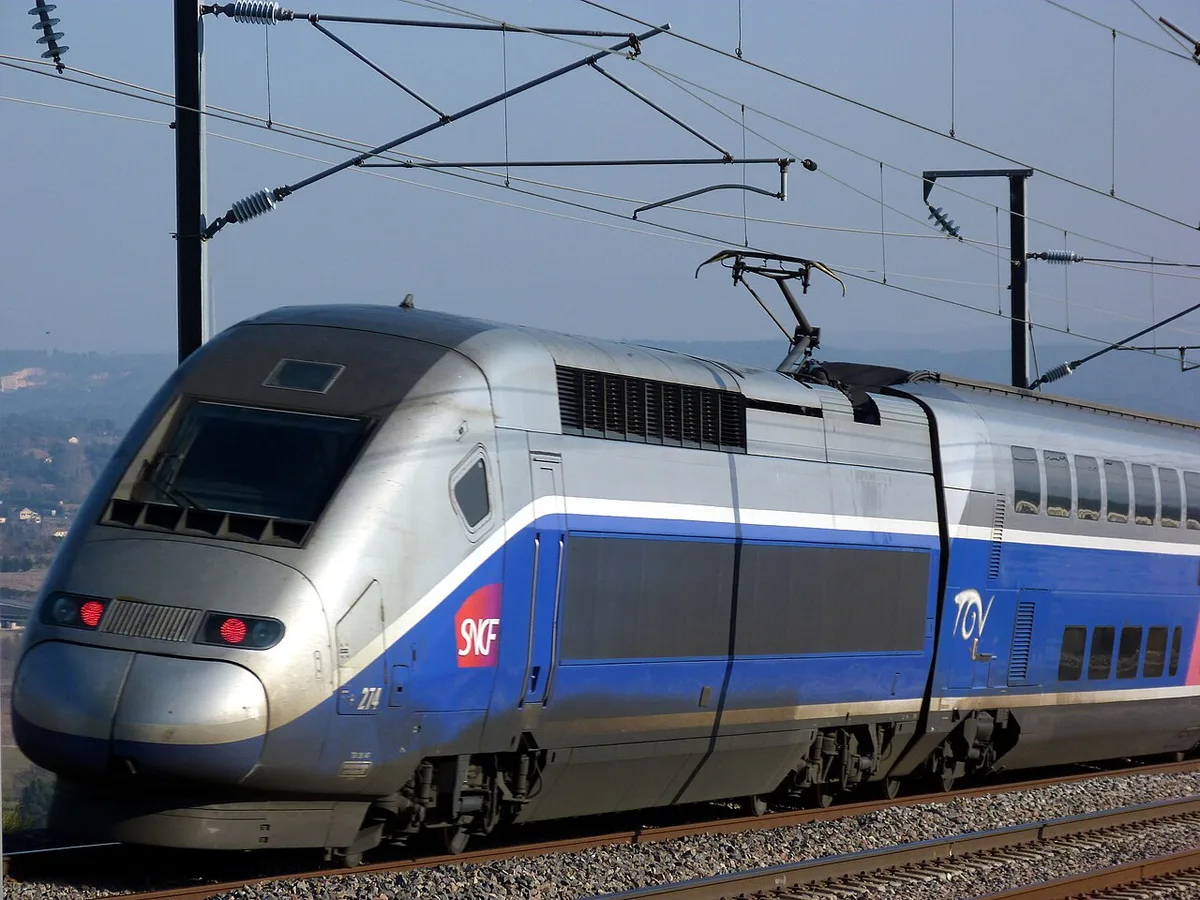
- Gare de Lyon: the default choice for a direct TGV to Marseille-Saint-Charles.
- Paris Charles de Gaulle Airport: choose it only if your flight lands there and the search shows a direct service.
- Montparnasse: wrong for this route, so do not select it by mistake.
- Arriving from another Paris terminus: allow a generous buffer for the metro or RER crossing, and keep luggage manageable.
Journey time, frequency and train types
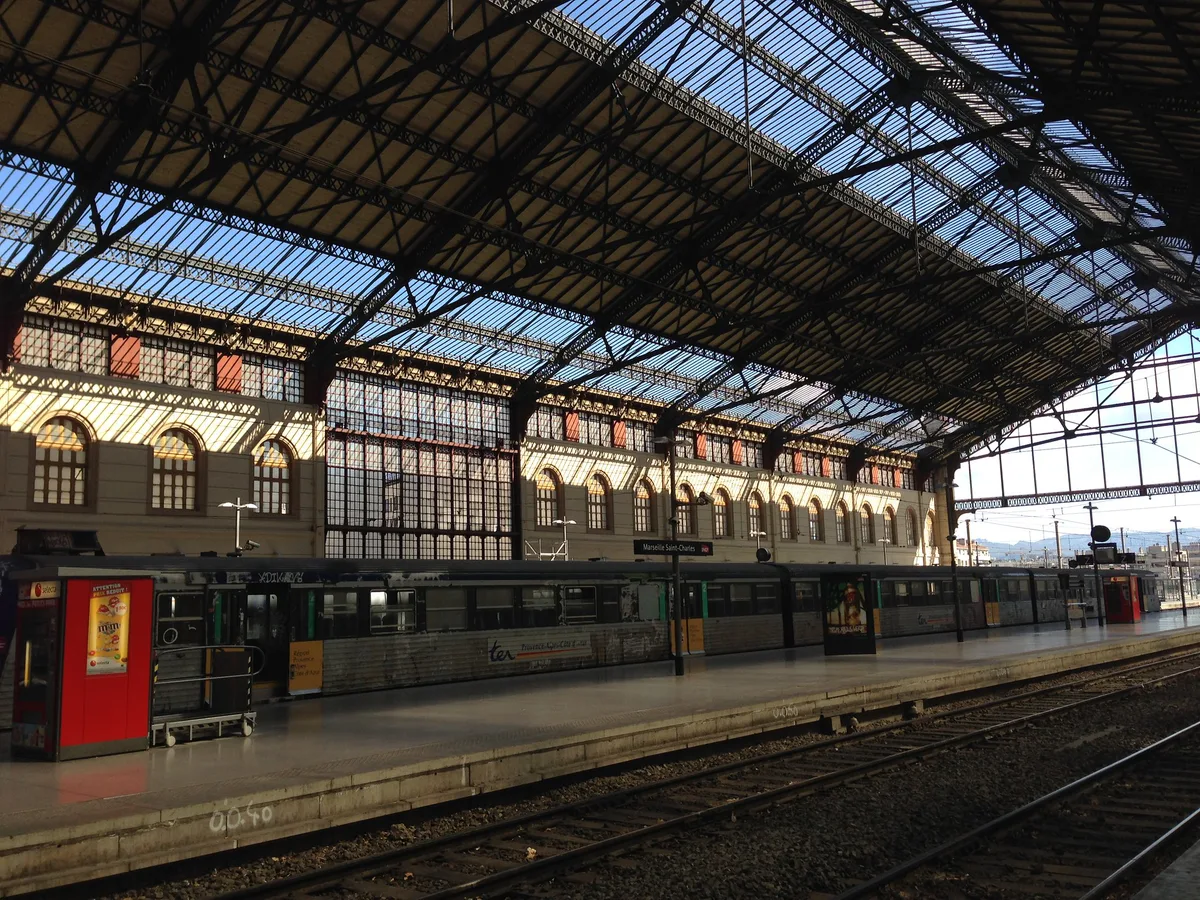
Direct trains leave Paris through the day, with the most departures in the morning and late afternoon. Expect services roughly every hour or two on busy days, though frequency changes by season and weekday. Journey time on a direct service is around three hours. Connecting itineraries add time and risk, so they only make sense when the price gap is large. SNCF Connect shows every option side by side, and it is the right place to read the final timetable.
- TGV INOUI: the main direct service, with assigned seats, first and second class, and a flexible fare option.
- OUIGO: a low-cost high-speed brand that runs on some services, so check the OUIGO official site for current stations and baggage rules.
- Connecting trains: slower and usually only worth it for a clear saving or a stopover.
- Stopover idea: break the trip in Lyon, which has its own guide in Paris to Lyon by train.
Ticket prices and how to pay less
Advance fares can start from €19 one-way in Standard Class. Those prices are the entry point, not the typical fare. Fares usually rise as the date approaches, and a same-day ticket often costs far more. Travel outside weekday commuter peaks, roughly 06:00–10:00 and 15:00–19:00, to improve your odds of a cheaper seat. Compare second class with first class for your date, and ask SNCF Connect about youth, senior or family discounts that apply to your age and travel group.
Departures cluster in the morning and late afternoon, so the weekday windows 06:00–10:00 and 15:00–19:00 are where your odds of a cheaper seat are lowest.
- Book early: fares are released months ahead, and the cheapest seats go first.
- Pick off-peak departures: midday and late evening trains tend to cost less than weekday rush hours.
- Check the fare rules: the cheapest tickets can be hard to change or refund.
- Look at second class first: first class costs more and mainly buys space.
- Mistake to avoid: booking a Montparnasse ticket when you need Gare de Lyon.
- Mistake to avoid: choosing a tight connection on a non-flexible fare.
- Mistake to avoid: assuming a cheap fare can be exchanged if you miss the train.
Booking the Paris to Marseille train: where and when
Book on SNCF Connect, the French national operator's own booking site. Resellers can be convenient, but they may add fees and use different fare labels. Fares usually go on sale between three and six months ahead, though the exact window depends on the operator and date. A seat reservation comes with the ticket on a normal TGV fare. Rail-pass holders should know that high-speed trains usually require a paid reservation on top of the pass. Read our TGV guide for reservation mechanics and pass advice, and check current Eurail or Interrail rules for the fee.
Reaching the €19 one-way in Standard Class fare depends on timing, since sales usually open three to six months ahead of travel.
Arriving at Marseille-Saint-Charles
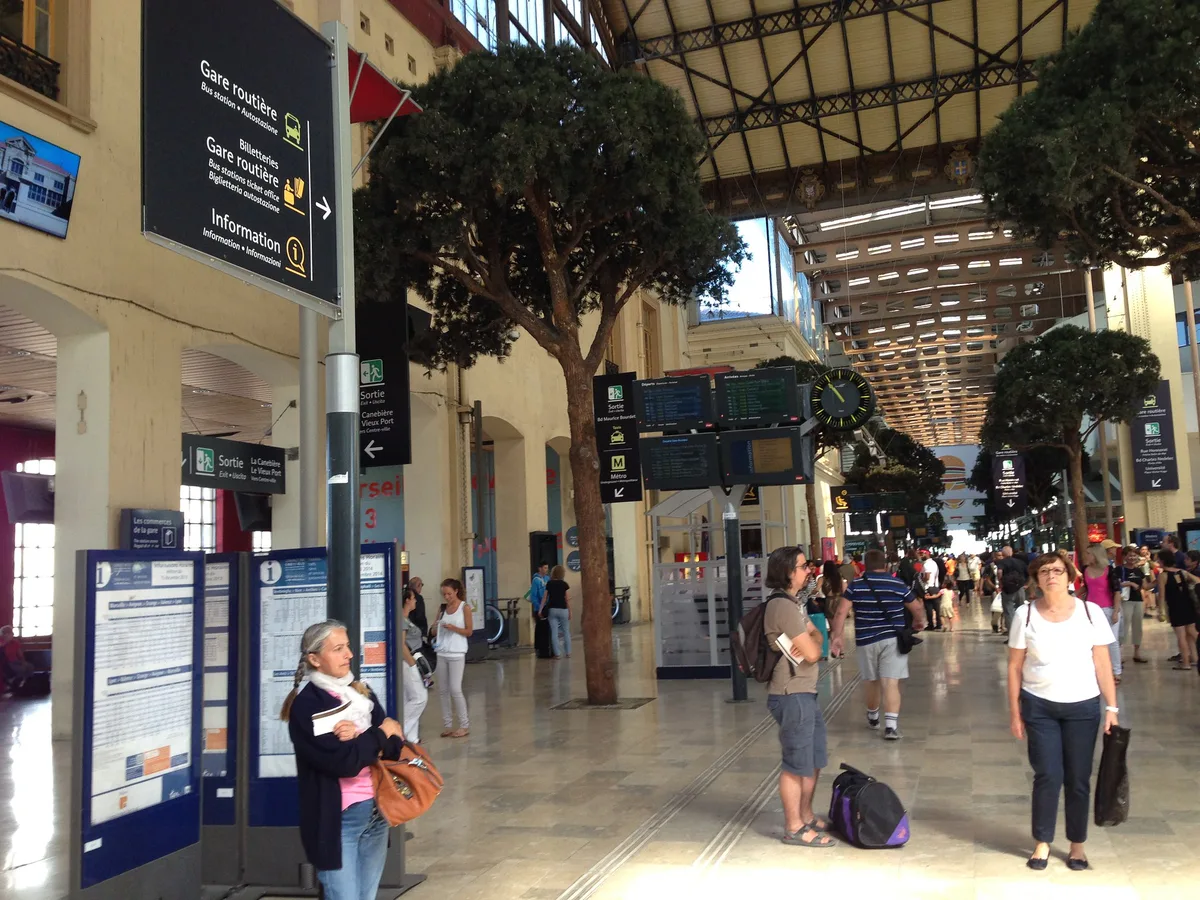
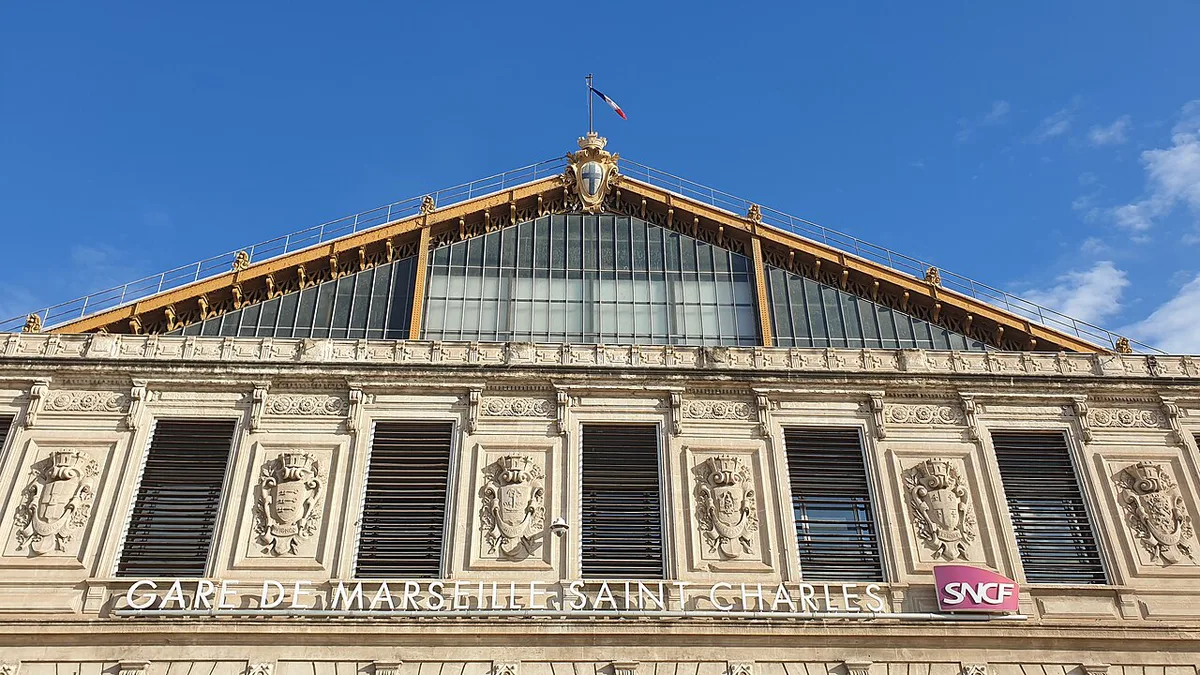
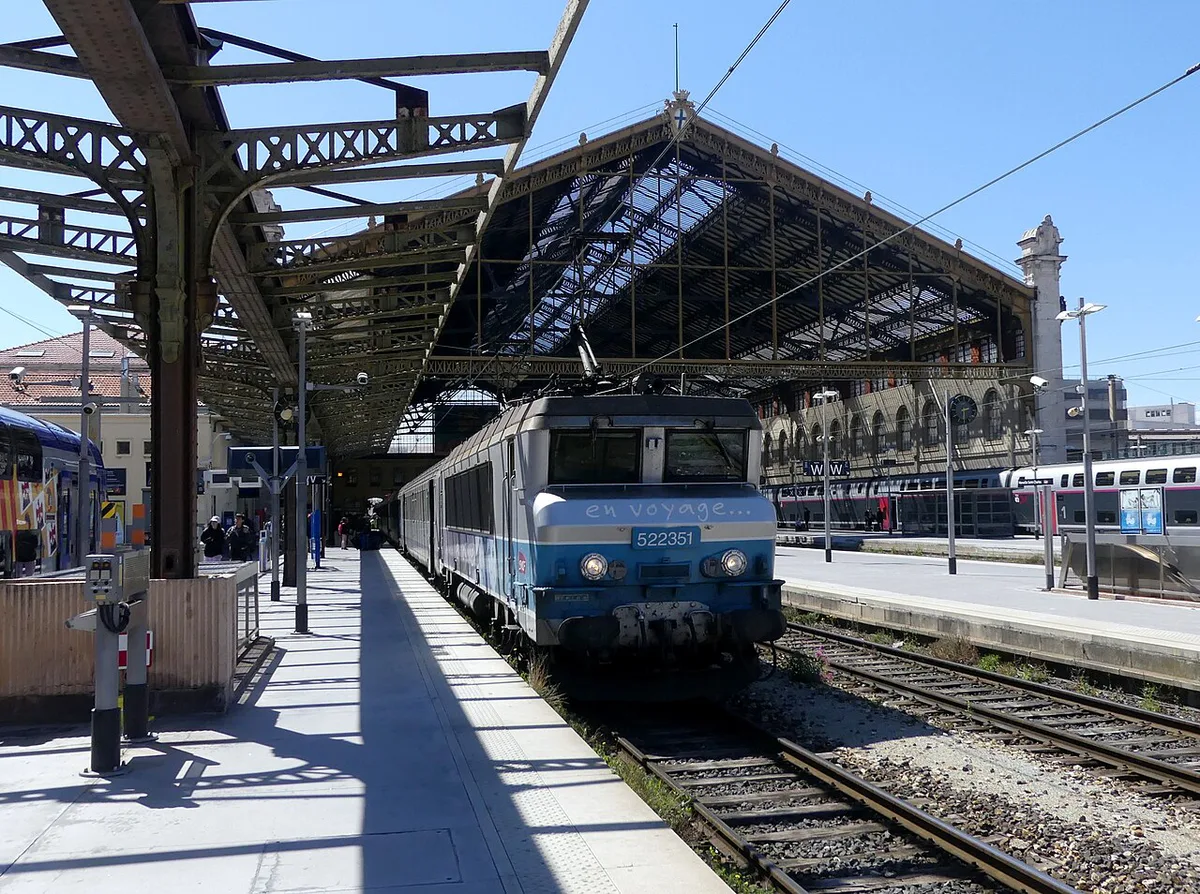
Marseille-Saint-Charles is the main station and the end of the direct line from Paris. It sits above the city, so you leave the platform area and head down a large flight of steps to street level. Travellers with heavy bags should look for the lifts or escalators rather than carrying luggage down. Metro and tram connections run from the station, and the RTM transit site lists current lines and fares. The Vieux-Port is the usual first stop for visitors. The ferry terminal is also reachable by public transport or taxi. At night, or on strike days, a taxi or ride-hailing car is the safest fallback.
Train vs flying vs driving vs coach
The train usually wins on door-to-door time. Flying looks faster on paper, but airport transfers, security and baggage claim eat the gap. Driving gives flexibility for Provence but adds fuel, tolls and parking in Marseille. Coach services cost less on some dates and take much longer. The table compares them by effort, cost and best use.
| Mode | Effort | Cost | Best for |
|---|---|---|---|
| Train (TGV) | City centre to city centre, no security queue | Mid to high, cheap if booked early | Most travellers |
| Plane | Airport transfers at both ends, baggage rules | Varies widely by date | Tight schedules from an airport hotel |
| Car | Long drive, tolls and city parking | Fuel and tolls add up | Groups heading beyond Marseille |
| Coach | Slowest, simple to book | Often the lowest fare | Tight budgets with flexible time |
Who should take which option: decision guide
Match the choice to your trip rather than the lowest headline fare. The scenarios below cover the most common situations, starting with the traveller who has the most to lose from a bad connection.
- First-timer with luggage: book a direct TGV from Gare de Lyon and pick a seat near the carriage door.
- Budget traveller: book early, travel off-peak, and compare OUIGO against TGV INOUI on your date.
- Last-minute trip: expect higher fares, and check both operators plus a flight before deciding.
- Day trip: possible on paper, but about six hours on trains leaves little time in the city, so treat it as a trade-off.
- Rail-pass holder: add the paid reservation early, because pass seats on high-speed trains can run out.
- Reduced mobility: contact SNCF's assistance service in advance, and ask about platform access and boarding help at both stations.
Continuing from Marseille
Marseille works as a hub for the south coast. Our guide to the Marseille to Nice by Train: Times, Prices & Tickets covers the next leg along the Riviera. For a slower Provence step, read about the Paris to Avignon Train: Times, Stations, Tickets and Tips. Those who want other southern routes can compare the Paris to Nice Train: Stations, Direct vs Connecting, Tickets & Tips.
Frequently Asked Questions
How do I get to Marseille from Paris?
Take a direct TGV from Paris Gare de Lyon to Marseille-Saint-Charles. The trip takes around three hours. Book on SNCF Connect and choose Gare de Lyon as the departure station.
Where can you go from Marseille by train?
Marseille-Saint-Charles connects to the Riviera and to Provence. You can reach Nice on the line covered in our Marseille to Nice by Train: Times, Prices & Tickets guide. Avignon is another popular stop on the way north.
Rail notes for your next trip
Optional updates when our rail guides change.
Related guides
More guides
Picked from the same area