
6 Routes for Hungary by Train: Stations, Tickets, Trips
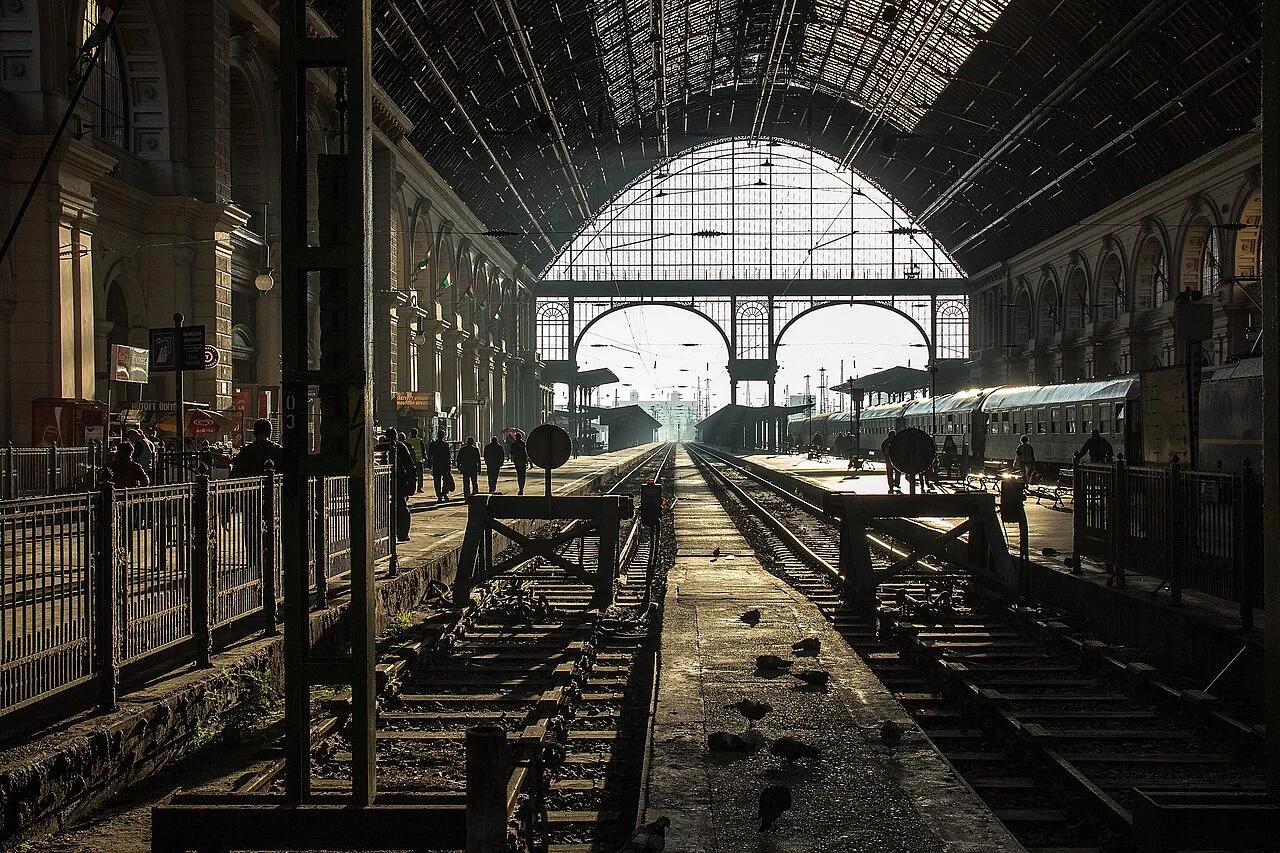
Last updated November 2026. Hungary by train works as a hub-and-spoke network around Budapest, with Keleti and Nyugati as the stations most visitors use. It suits travelers who want city-to-city rides and a car-free base in the capital. Below you will find the station basics, ticket rules, domestic day trips and six international routes.
Featured image: Németh Tibor, CC BY-SA 3.0, via Wikimedia Commons.

How Hungary by train works
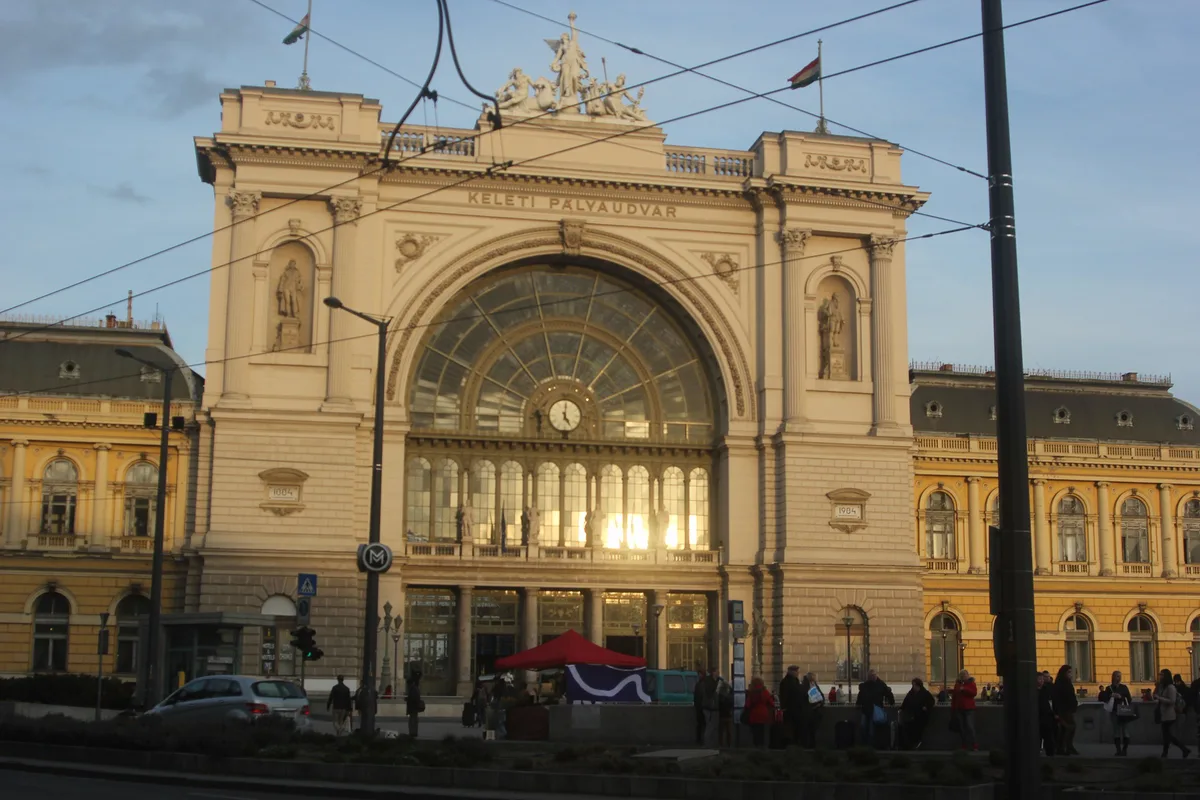
Almost every main line runs out of Budapest, so a trip between two regional cities often routes back through the capital. MÁV-START operates the passenger trains, while the wider MÁV group manages the infrastructure. Budapest has three main terminals: Keleti, Nyugati and Déli. Trains suit city-to-city travel and travelers who want to avoid driving in Budapest. A car or bus can work better for remote villages, large groups or heavy luggage.
Budapest's stations: Keleti, Nyugati and Déli
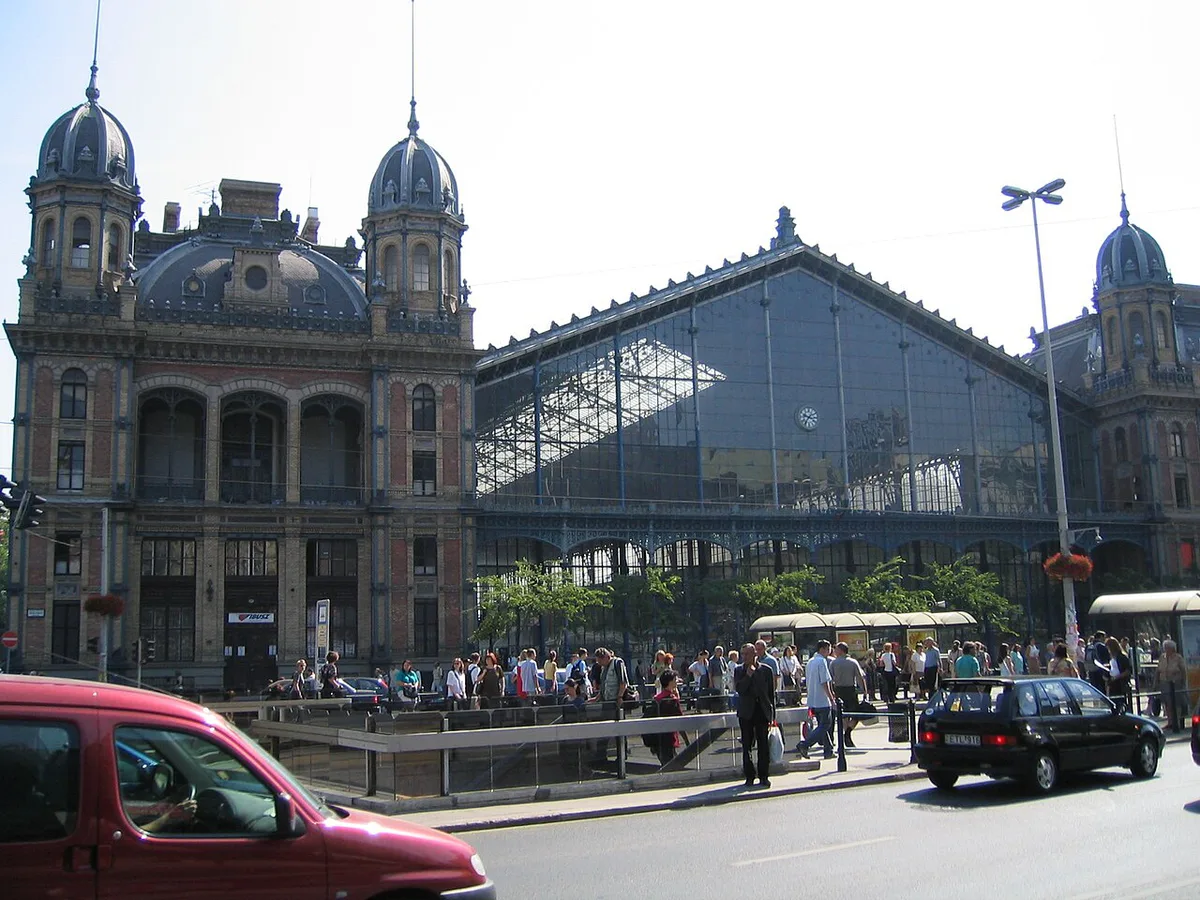
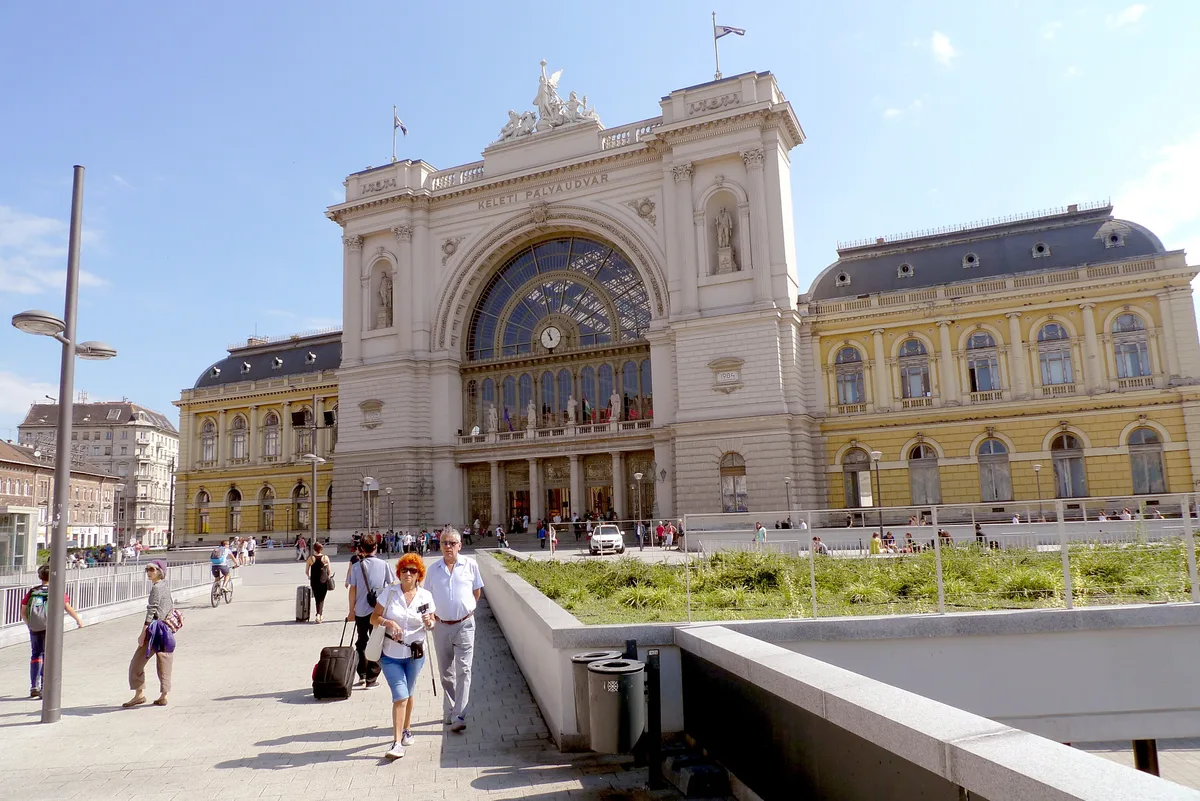
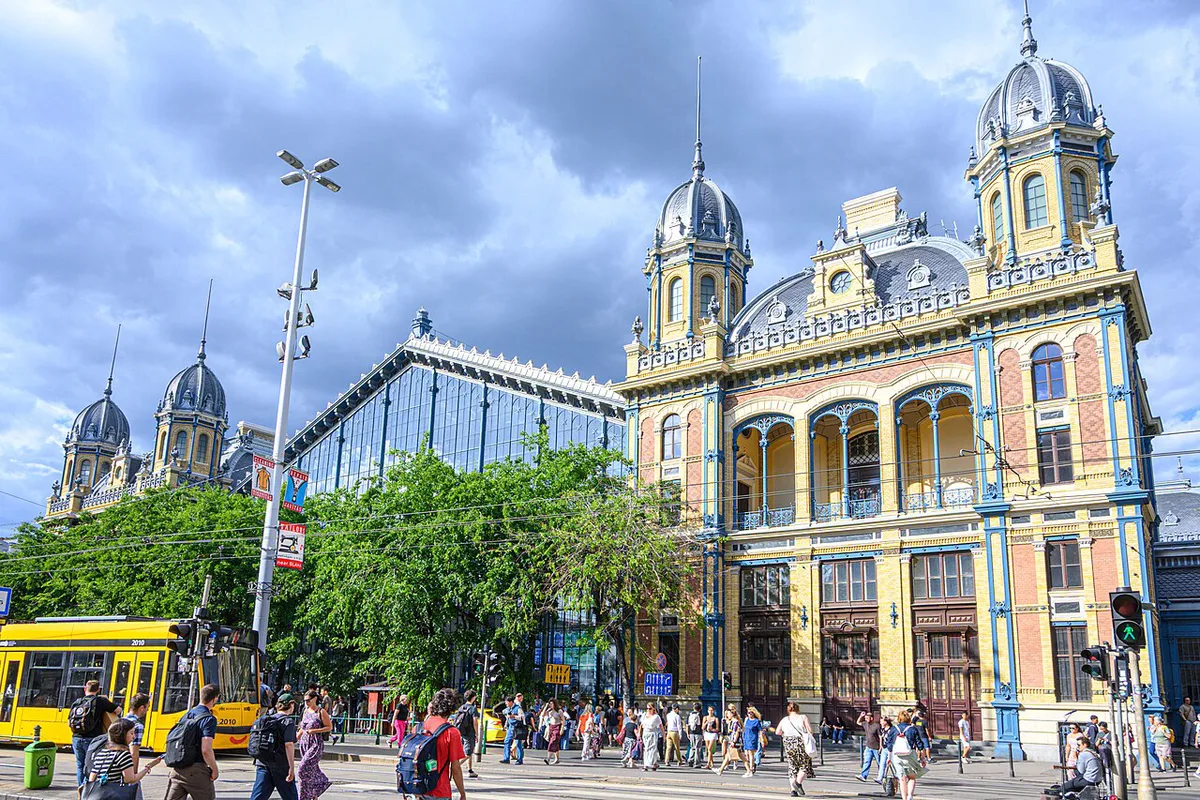
Keleti and Nyugati are the two main stations for visitors. Our Keleti station guide covers the terminal in detail. Nyugati has its own page, too: see Nyugati station arrivals and departures. Déli is the third terminal on the map. Train-to-station assignments change with timetables and renovation works, so read your ticket and the departure board before you head out.
Tickets and passes: what to know before you buy
Start with our MÁV ticket guide for the booking steps. Fare rules, seat reservations and discounts are set by the operator, and they differ between domestic and international trains. Point-to-point tickets suit one or two trips. A rail pass may suit a longer loop, and Eurail's Hungary page explains how its pass works there. Fares and rules checked November 2026; confirm current terms on the MÁV English pages before paying. Book international and sleeper services early, because seats on those trains are limited.
6 international routes for Hungary by train
Six neighboring capitals have dedicated route guides. Each item below gives the trade-off and links to the full spoke page.
1. Budapest to Krakow
Krakow takes you north into Poland, and the main decision is whether you ride one train or change along the way. Expect a long travel day or an overnight option rather than a quick hop, so plan your arrival time at the other end. Check which Budapest terminal your service leaves from, since assignments shift with timetables.
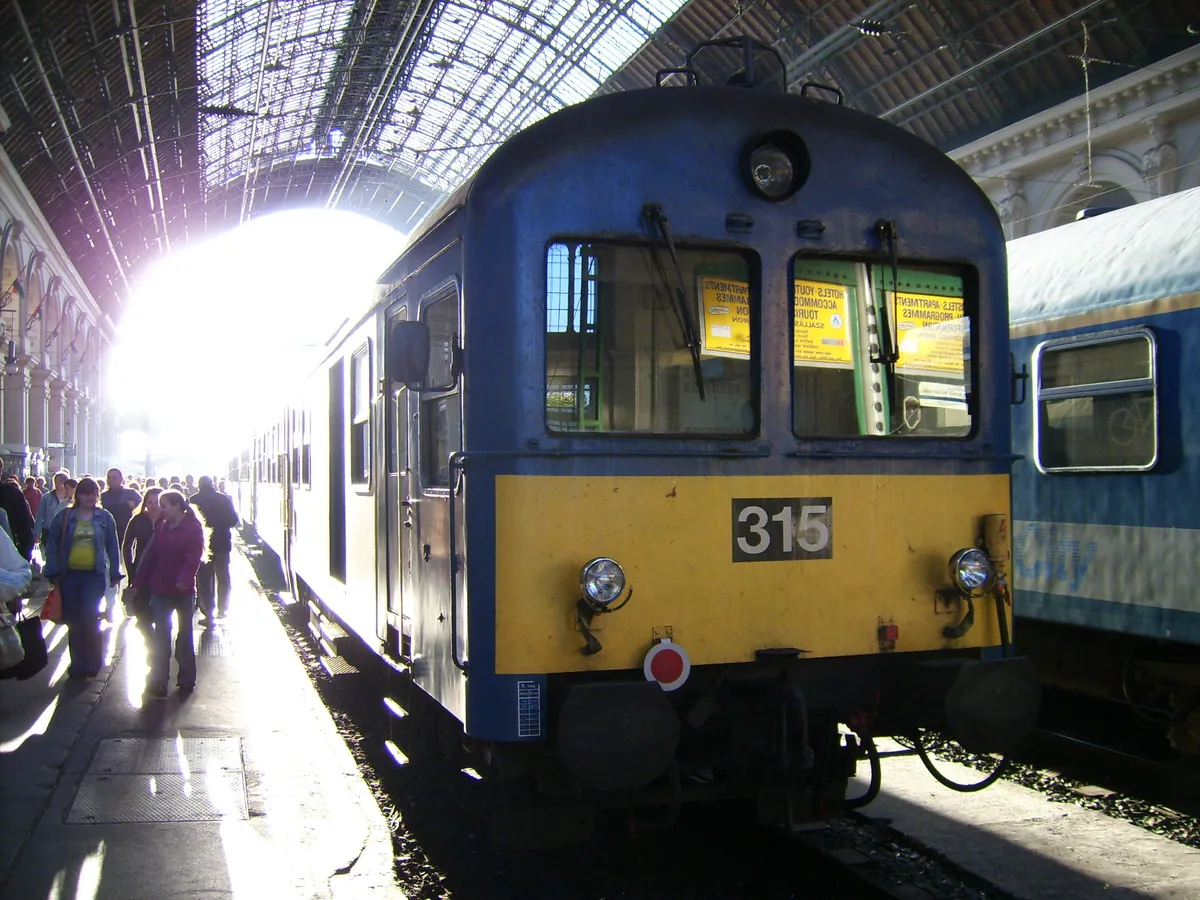
Our routing to Krakow explains the service pattern and booking order. Skip this one if you want a short, no-planning city break.
2. Budapest to Bratislava
Bratislava is the Slovak capital, and this is the route to pick when you want to add a second country without a long trip. Slovakia's national operator, ZSSK, publishes its own timetable and fare information for the Slovak side. Direct versus changing service decides how smooth the journey feels.
Our Bratislava train options compares them. Skip it if Slovakia is not on your itinerary, because there is no scenic detour to justify the trip alone.
3. Budapest to Zagreb
Zagreb in Croatia is a natural onward stop for travelers continuing toward the Adriatic. Croatian Railways, HŽPP, publishes timetables for the Croatian leg. The key trade-off is a day train with seats against a slower option that may require a change.
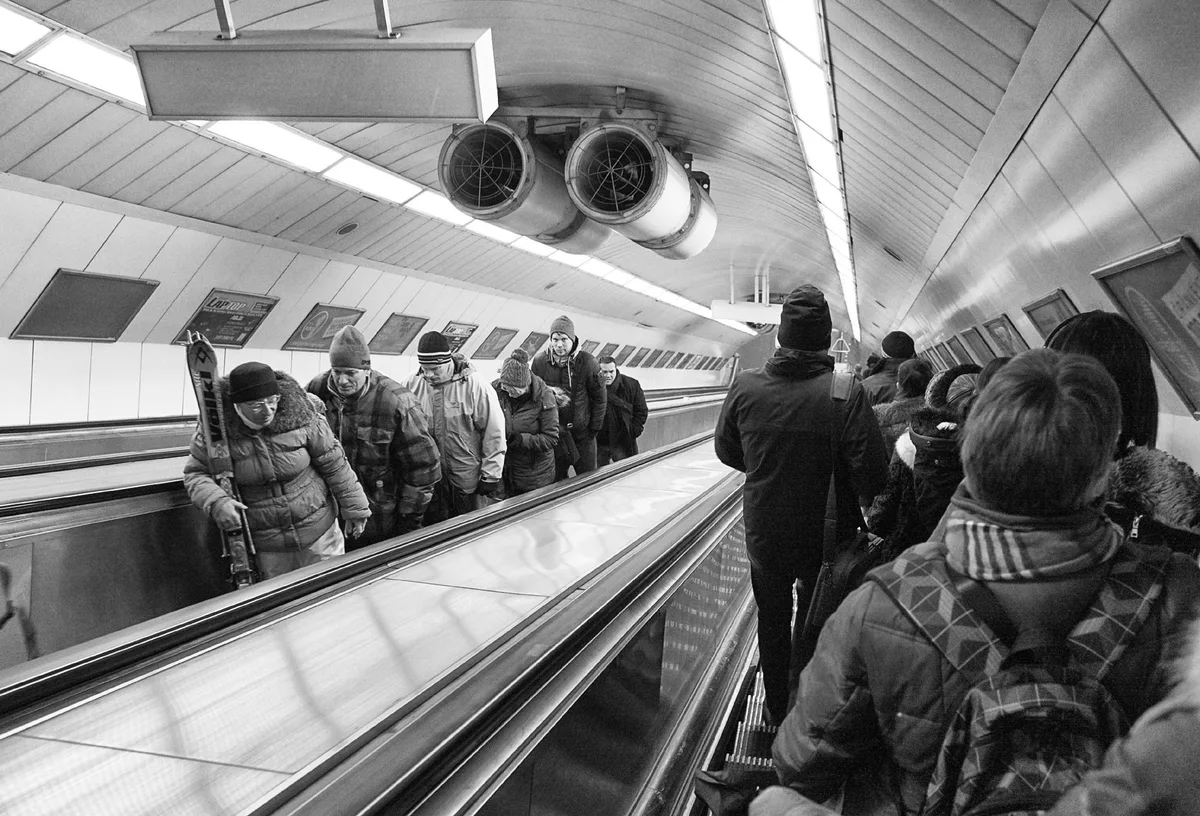
Read Zagreb route details before you book. Skip it if you need a guaranteed single-seat ride and have not checked current direct service.
4. Budapest to Bucharest
Bucharest sits in Romania and calls for a longer, more deliberate journey than the other capitals on this list. A night train or a daytime change is the central choice, and sleeper space needs early booking. Romanian operator CFR Călători publishes its own schedules.
Our Bucharest overnight guide sets out the options. Skip it if you only have a day to spare, because this route rewards patience and planning.
5. Budapest to Belgrade
Belgrade in Serbia is the route where current service status matters most, because direct links on this corridor have changed over time. Serbian operator Srbijavoz lists services on the Serbian side. Check whether your date has a direct train or a required change before you commit to a hotel.
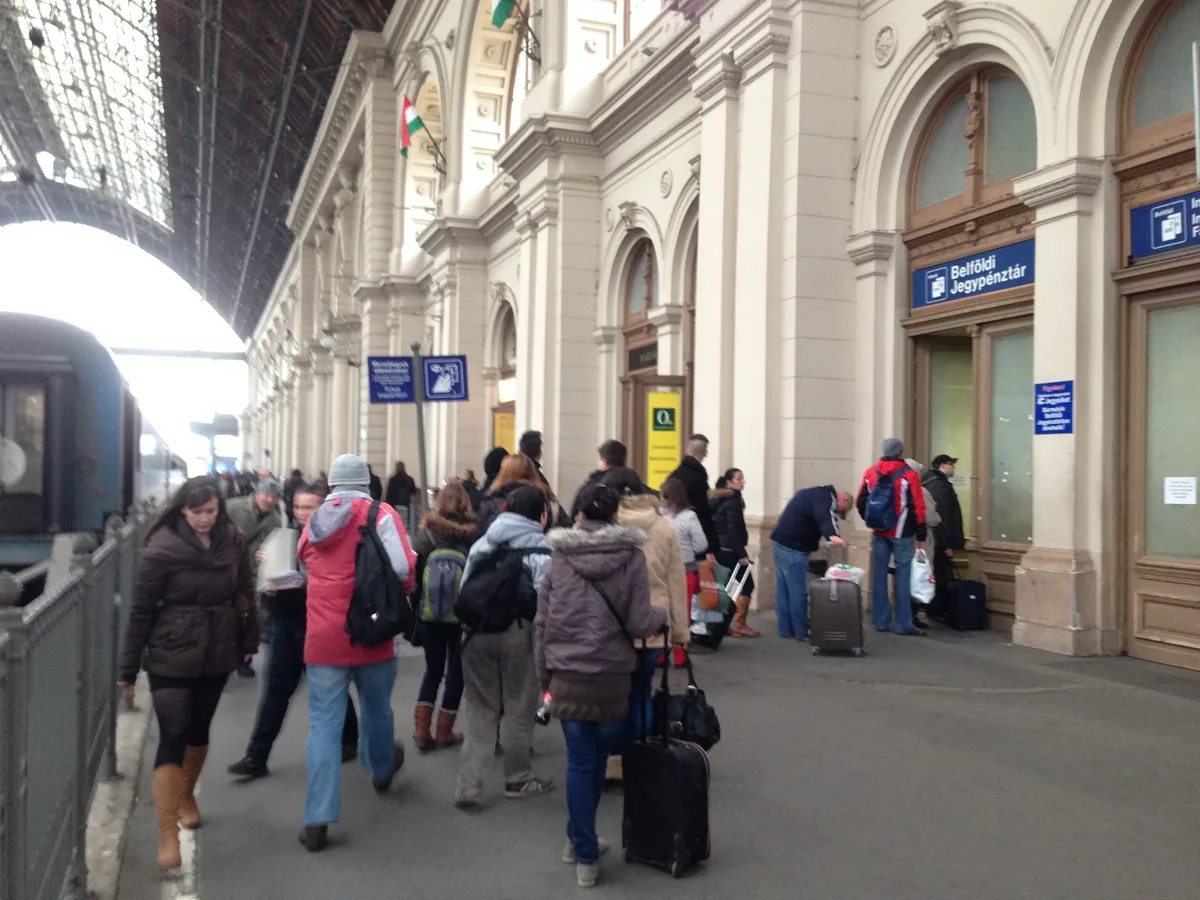
Our Belgrade service status page tracks the latest picture. Skip it if you cannot adjust your plans around timetable changes.
6. Budapest to Ljubljana
Ljubljana in Slovenia suits travelers building a loop toward the Alps or the Adriatic coast. The trade-off is usually between a direct service when one runs and a change when it does not. Plan seat reservations early, since international trains on this corridor can fill up.
Our Ljubljana train planner compares the choices. Skip it if you prefer a single fixed timetable with no alternatives to weigh.
Domestic day trips by train from Budapest
Candidates for a day out include Siófok on Lake Balaton, Eger, Pécs, Győr, Szeged and Debrecen. Whether a trip is realistic depends on whether your train runs direct or needs a transfer, so read the MÁV timetable before you plan the day. Siófok is mainly a summer destination. Visit in peak season for lake life, or off-season for quieter streets and an easier time finding space on the platform. Pick a destination that leaves enough time for the return, not just the outbound ride.
Train vs bus vs car
Choose the train for city-to-city travel between Budapest and the main regional centers. Choose a bus or car for rural Hungary, where rail stops may be far from the sights you want. For a Balaton summer weekend, think about luggage and group size before settling on a train. A group with bikes, strollers or bulky bags may find a car simpler. Solo travelers and couples with light luggage usually do well on the rails.
| Option | Best for |
|---|---|
| Train | City-to-city travel between Budapest and the main regional centers, for solo travelers and couples with light luggage |
| Bus or car | Rural Hungary, where rail stops may be far from the sights you want |
| Car | Groups with bikes, strollers or bulky bags |
Practical logistics and mistakes to avoid
Check whether your ticket needs validating or showing before you board, and listen for platform announcements in the station. Look at station facilities, luggage rules and bike carriage on the operator's page for your train. Allow extra time for any connection, since a missed change can end your day plan. Strikes and track works can alter timetables, so look at MÁV notices the day before you travel. Accessibility help varies by station, so ask the operator in advance. Common mistakes: arriving at the wrong Budapest terminal, assuming one ticket covers every leg, and skipping a seat reservation on an international train.
Frequently Asked Questions
What country is close to Budapest by train?
Slovakia, Croatia and Slovenia all have routes covered here. Serbia, Romania and Poland do too, each with its own page linked in the route list above.
Explore More Guides
Keep planning your trip with these guides.
Guides
- How to Buy Hungarian Train Tickets (Guide)
- Budapest Keleti Station Guide
- Budapest Nyugati Station Guide
- Budapest to Krakow by Train
- Budapest to Bratislava by Train
- Budapest to Zagreb Train: Stations, Tickets and Border Checks
- Budapest to Bucharest Train: Routes, Tickets and Alternatives
- Budapest to Belgrade by Train
- Budapest to Ljubljana by Train
Rail notes for your next trip
Optional updates when our rail guides change.