
Porto to Douro Valley Train: Stops, Station and Day-Trip Advice
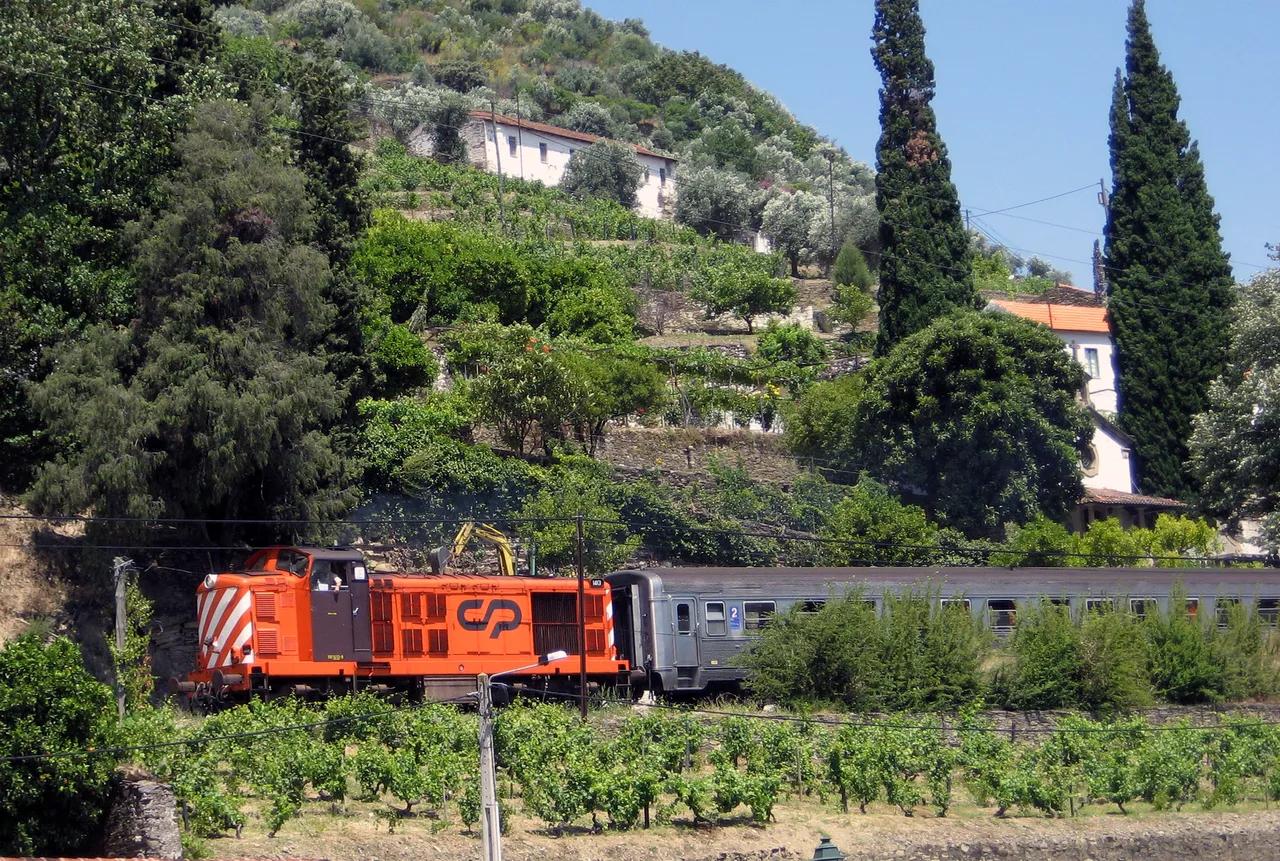
Last updated November 2026. The porto to douro valley train is a CP Regional service that leaves from Porto São Bento and follows the river to Régua, Pinhão and Pocinho. Depending on the service, you either ride straight through or change at Ermesinde. This guide helps you pick a stop, get to the right station and plan a return you will not miss, and it sits within our Portugal by train guide.
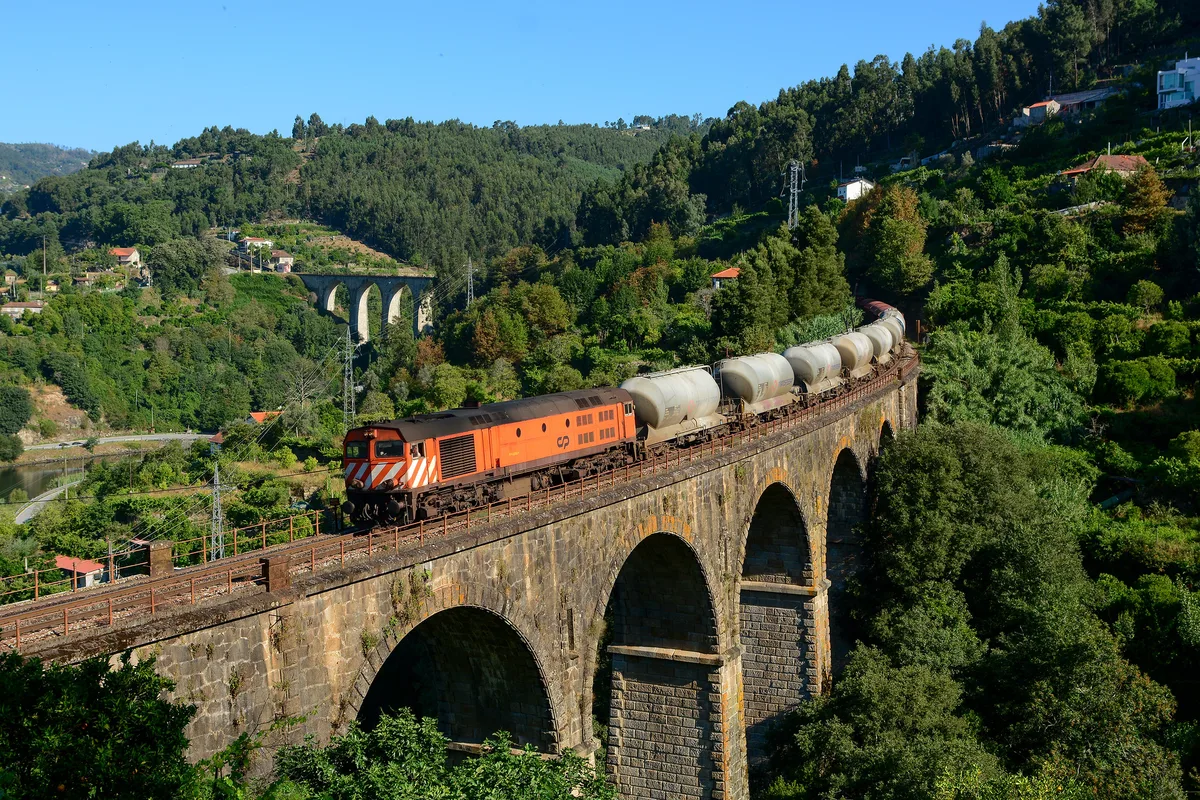
Featured image: hrs51, CC BY 4.0, via Flickr.
Short answer: line, station and day-trip range
CP Regional trains run the Douro line from Porto São Bento. Some services are direct and others need a change at Ermesinde. Régua, Pinhão and Pocinho are the main destinations up the valley. Journey times and fares change with the timetable, so read them off the CP passenger site for your travel date. Régua suits a short outing. Pinhão suits a full day built around wine. Pocinho is the far end of the line and works best if you want the longest ride.
Which Douro stop to choose
Pick the stop by what you want from the day, then check times with CP. The farther you go, the less time you have on the ground before the return train.
| Stop | Why go | Best for |
|---|---|---|
| Régua | Nearest of the three to Porto, so the most time at the destination | First-timers and anyone short on time |
| Pinhão | Wine-focused stop deep in the valley, with the river close by | Wine-focused travelers who accept a long day |
| Pocinho | Last stop on the line, so the full length of the ride | Scenery-focused travelers who care more about the journey than the stop |
Getting to the departure station in Porto
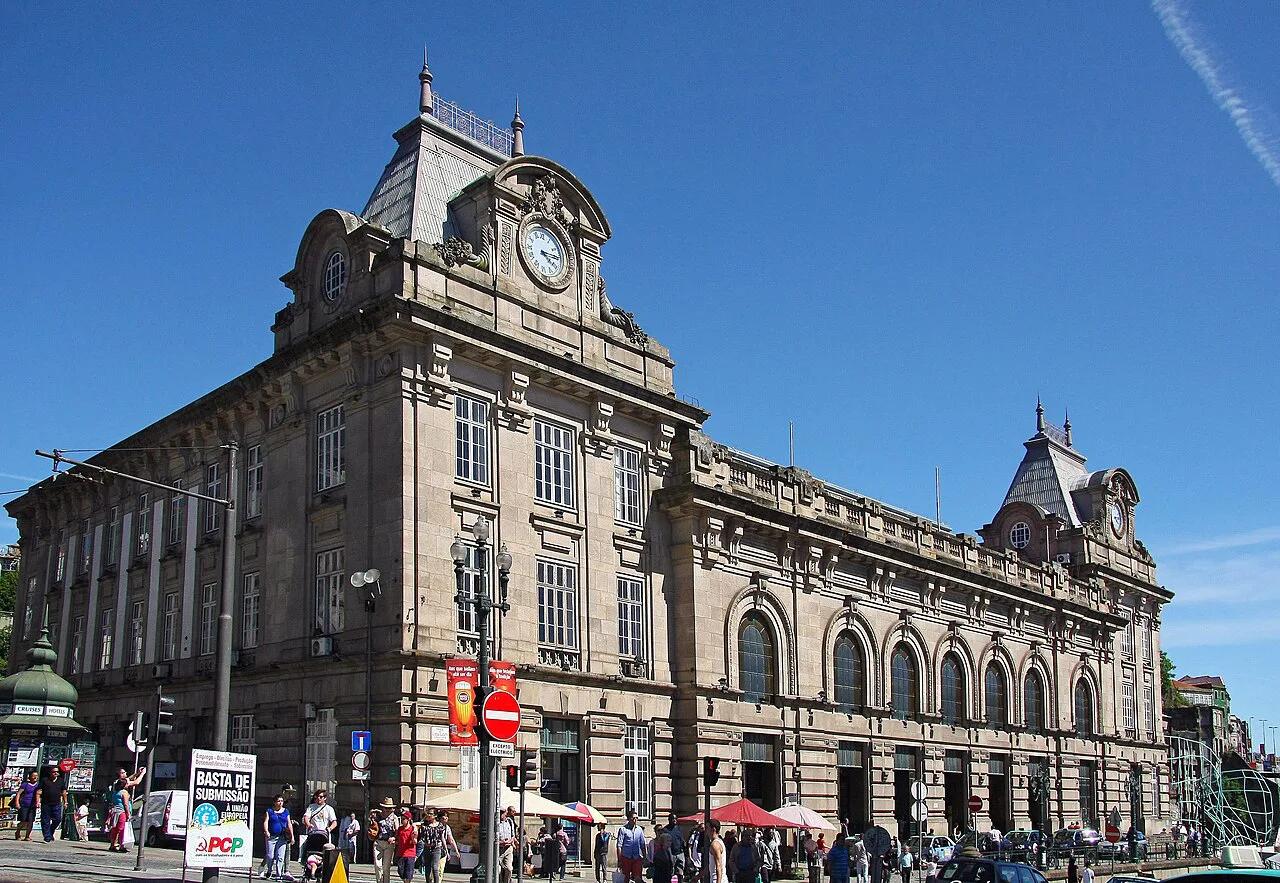
Douro line trains depart from São Bento, so start there rather than at the station where you arrived. Our São Bento station guide covers the layout. If you came in on a long-distance train, you probably arrived at Campanha instead. Our Porto Campanha guide explains how the two stations relate. Arriving from Lisbon is covered in Lisbon to Porto by train.
Tickets, fares and how to buy
Buy through CP's app or website, or at the station. Our CP tickets guide walks through the options. Check fares, seat reservation rules and ticket flexibility for your date on the CP site, because they are not fixed across services.
Train vs cruise vs tour vs car
A train-only day means you choose your own winery visits and walk or take a taxi from the station. You gain flexibility and lose the door-to-door convenience of a tour. A cruise or guided tour suits you better if you want transport, tastings and lunch arranged for you. Driving gives the most freedom but does not mix with tastings, so pick a designated driver or leave the car at home. Compare operators on their own sites, such as the Visit Portugal Douro pages.
- Train: lowest effort to plan, fixed to the timetable, you arrange tastings yourself.
- Cruise or tour: transport and tastings bundled, less control over your day.
- Car: most flexible, but a poor fit for wine tasting.
A sample day on the Douro line
Build the day backwards from the last train home. Take the earliest convenient departure from São Bento, then plan one lunch and one or two visits within walking distance or a short taxi ride of your stop. Fill in the actual times from the CP timetable.
What the ride is like: scenery, seats and small stops
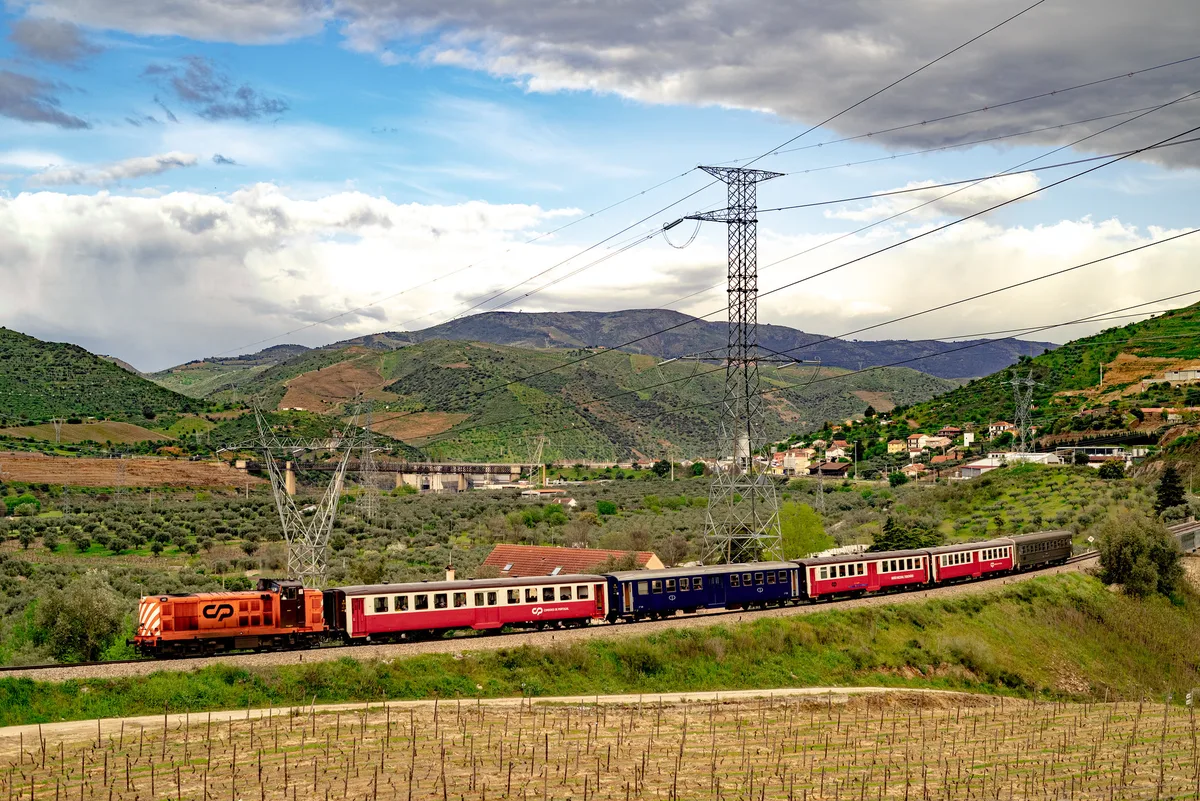
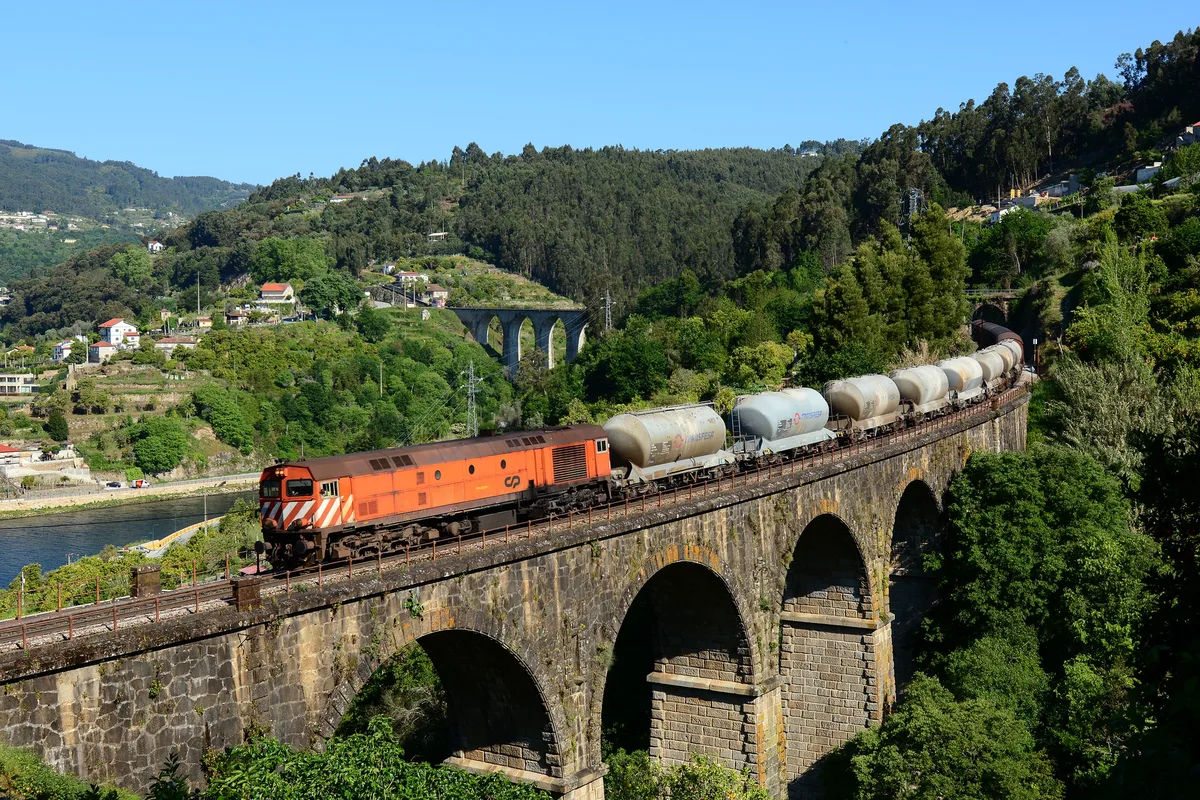
The Douro line is a regional commuter-style service, not a dedicated scenic train. Expect ordinary CP Regional carriages with no commentary and no meal service, so bring water and food for the day. Seats are normally open, but check the reservation rules for your service on the CP site.
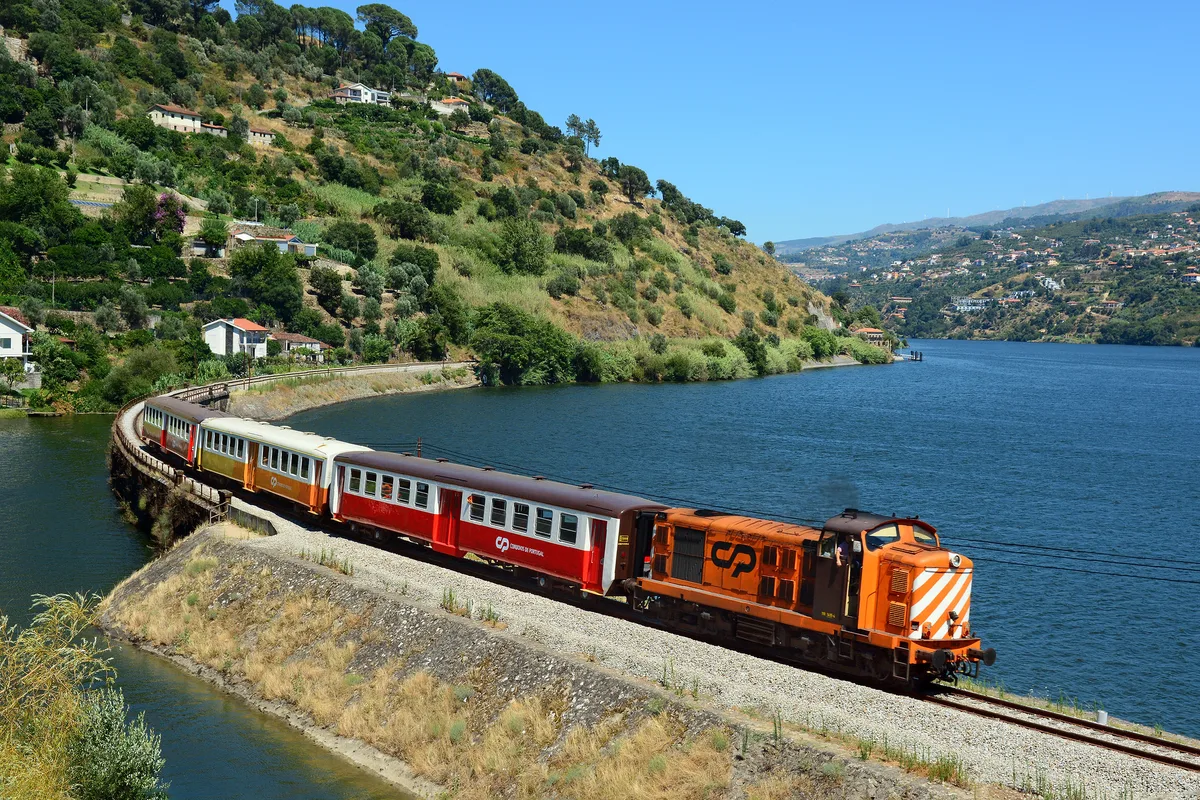
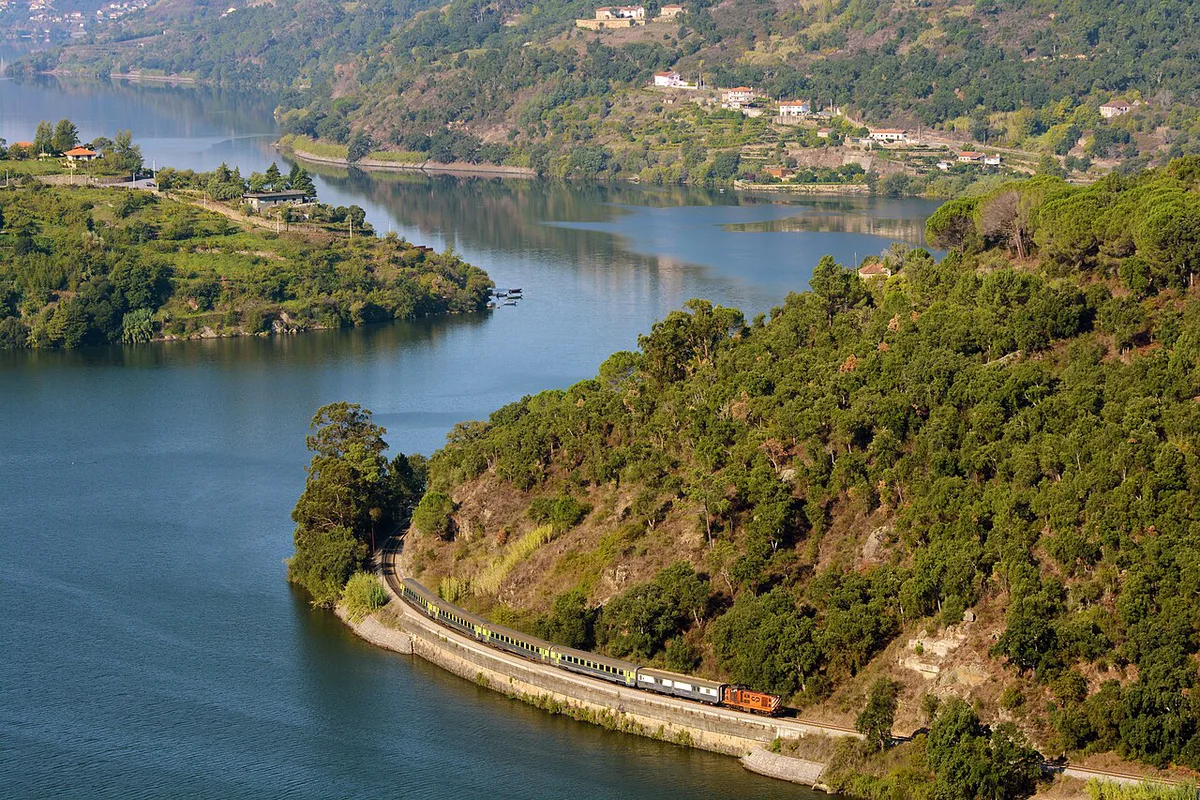
The first stretch out of Porto is mostly suburban. The scenery changes after the train meets the river, and the best views come in the upper valley beyond Régua. There the line hugs the riverbank, and the terraced vineyards rise on the slopes above it. If you are short on time, this is the part worth protecting. Do not spend your daylight on the early, less interesting section.
- Seat choice: sit where you can see the river and keep a window clear for photos. Windows can be marked or dirty, so do not count on perfect shots.
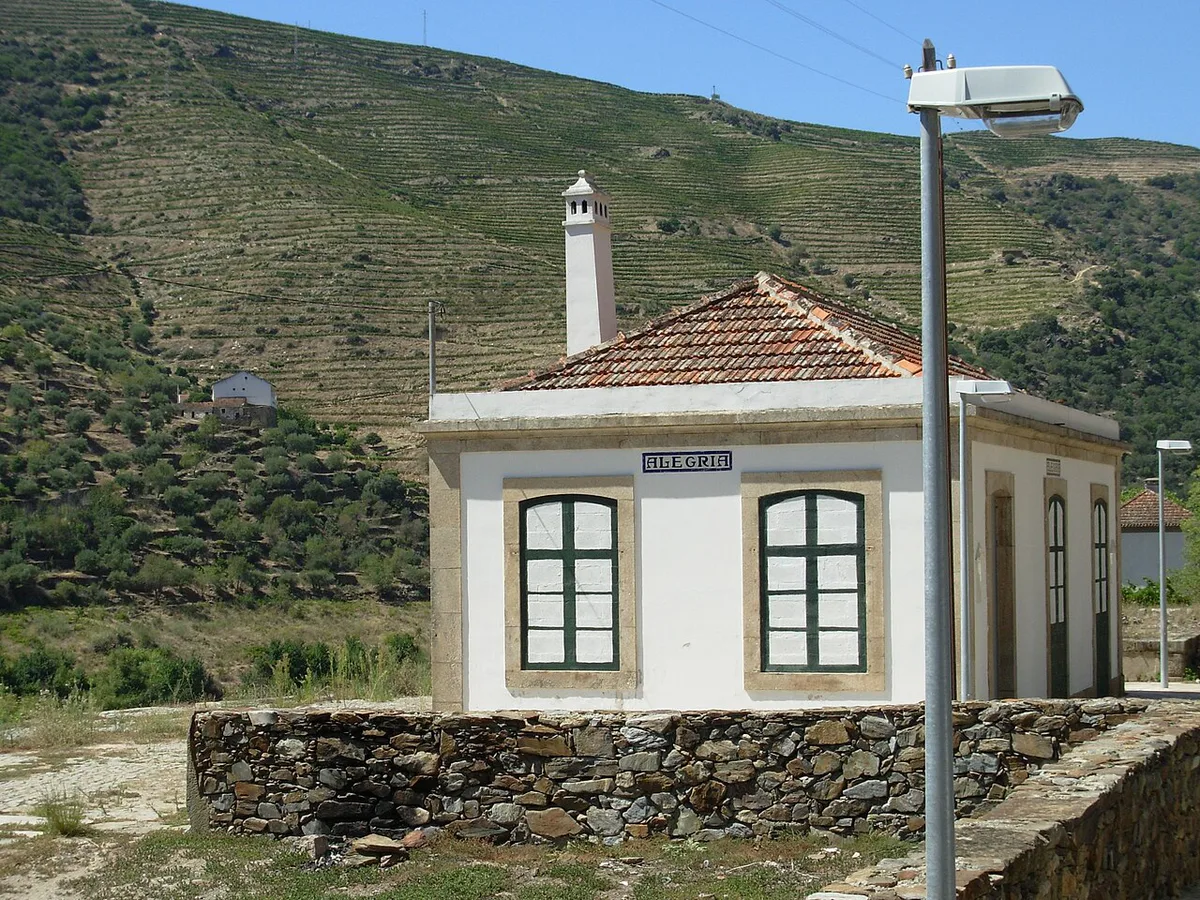
- Small stops: several halts on the line, such as Ermida and Ferradosa, are minor stations that few visitors get off at. Treat them as scenery rather than destinations unless you have checked onward transport.
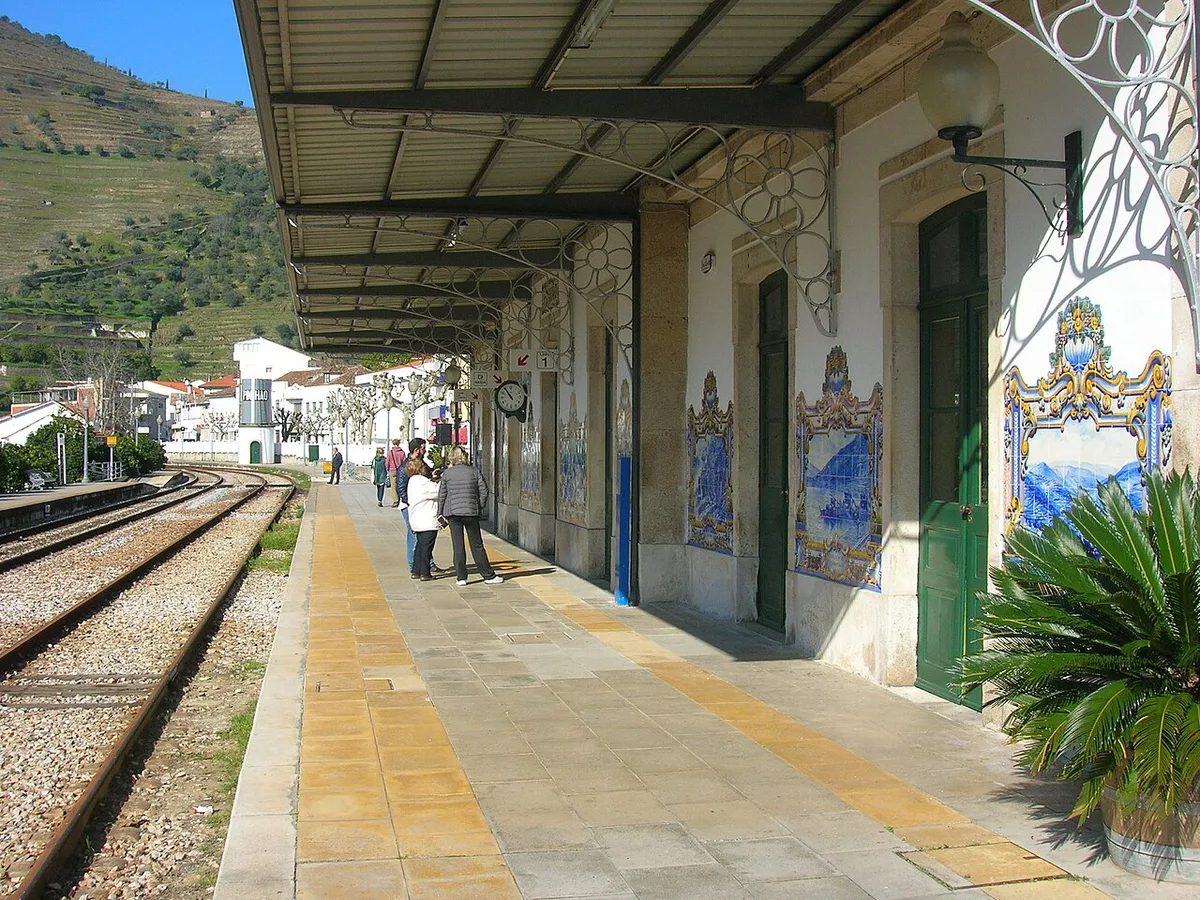
- Pinhão station: the platform building is decorated with blue-and-white azulejo panels of vineyard and harvest scenes. They are worth a few minutes while you wait for lunch or the return train.
- Pocinho: the end of the line is a quiet stop. Plan to turn around rather than expect much to do on arrival.
Check the CP timetable for the stopping pattern of your chosen train, since not every service calls at every small station.
Return trip and what to do if you miss it
Service on the line may be sparse, so identify the last train back before you leave Porto and arrive at the station early. If you miss it, a taxi or an overnight stay in the valley is the fallback. Look at Infraestruturas de Portugal and CP notices for works that could affect the line.
Because the route has 2 service patterns, check whether your return runs direct from São Bento or changes at Ermesinde before you plan the last train.
Best time to go
Harvest season brings the busiest valley, summer can be hot on a day without shade, and winter and rain make for quieter but less comfortable visits. In low season, lean toward Régua, where indoor stops are easier to reach on foot. Check CP and regional tourism notices for reduced services or works before you commit.
Onward travel
If you are continuing north after the valley, see Porto to Vigo by train. The rest of the network is mapped in our Portugal rail hub.
Buying Your Ticket and Boarding at São Bento
Buy your Douro ticket through CP in 3 practical ways: the CP app, the CP website, or the ticket office at São Bento. Check the fare, ticket conditions and reservation rules for your chosen service before paying. Keep your ticket available until the journey is complete, including any change.
Check the itinerary details as well as the destination. The route has 2 service patterns: some trains continue directly from Porto São Bento, while others require a change at Ermesinde. A direct train is simpler, but a connection can still work well if the timetable leaves enough margin.
Arrive early enough to find the platform without rushing. Confirm the departure board, the train’s final destination and whether Ermesinde appears in the journey instructions. Before leaving Porto, save the return service details too. The Douro line can have limited frequency, so the last practical return should shape the rest of your day.
Rail notes for your next trip
Optional updates when our rail guides change.
Related guides
More guides
Picked from the same area