
Porto to Vigo by Train: Times, Tickets & Stations
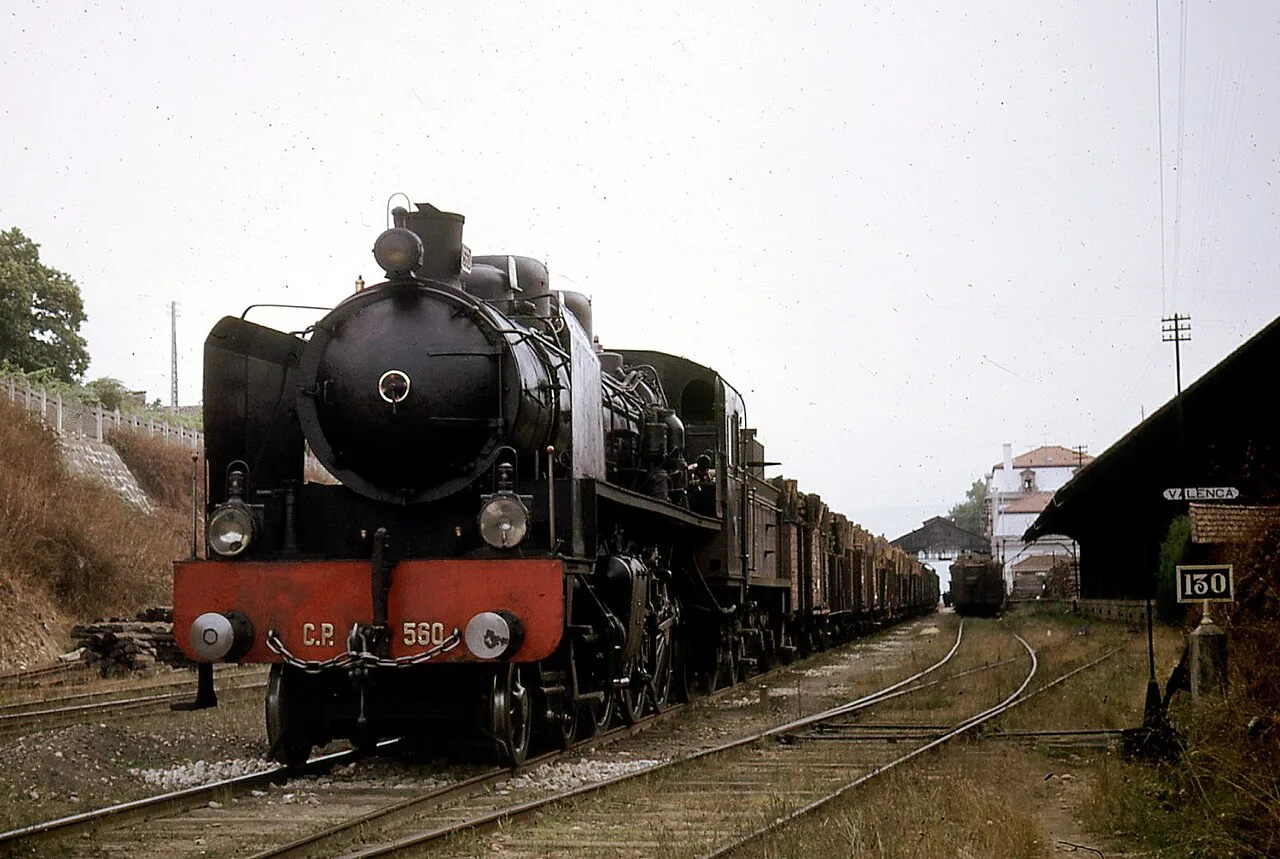
Last updated November 2026. A porto to vigo train exists as a direct cross-border service between Porto Campanhã and Vigo Guixar, and it runs only a couple of times a day. Read on for the stations, the time-zone trap, ticket channels and how the train stacks up against the bus.
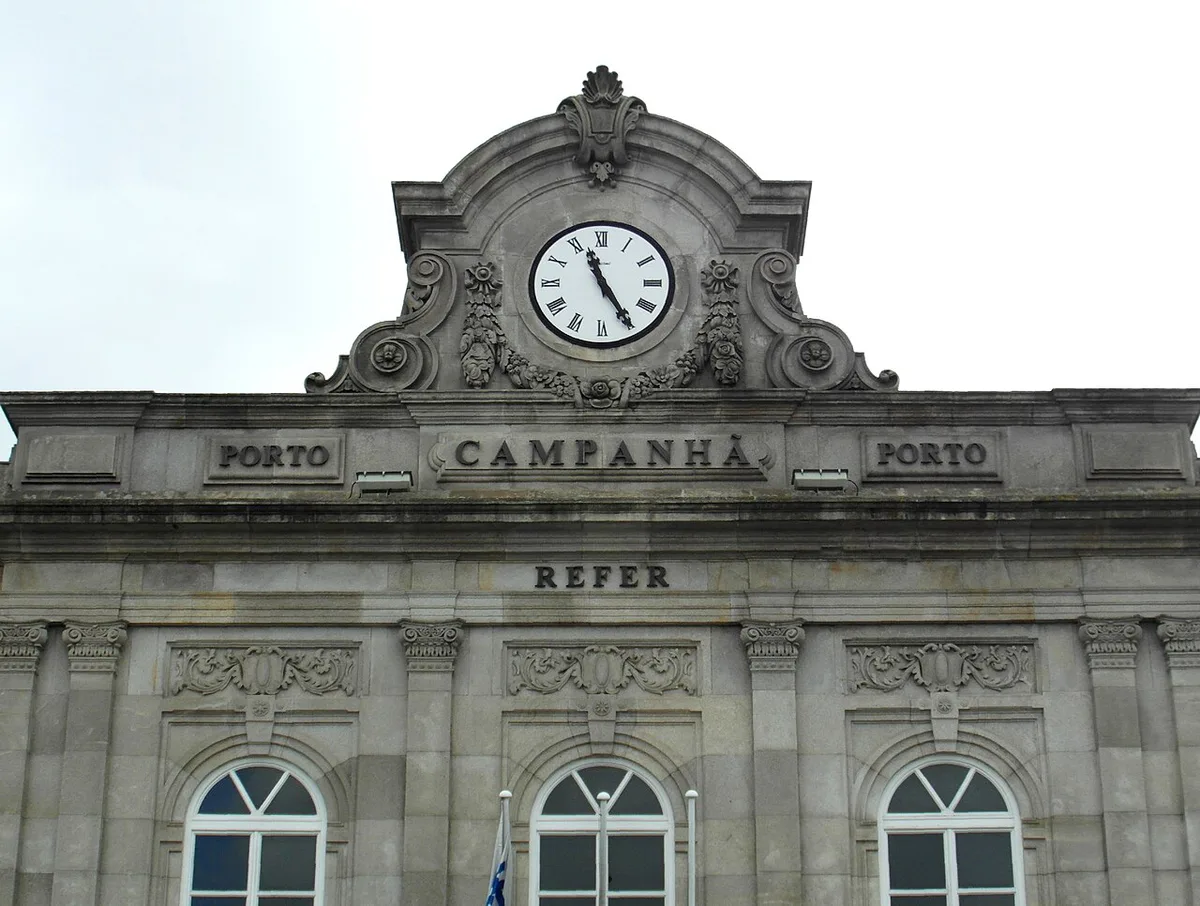
Featured image: 8474tim, CC BY-SA 3.0, via Wikimedia Commons.
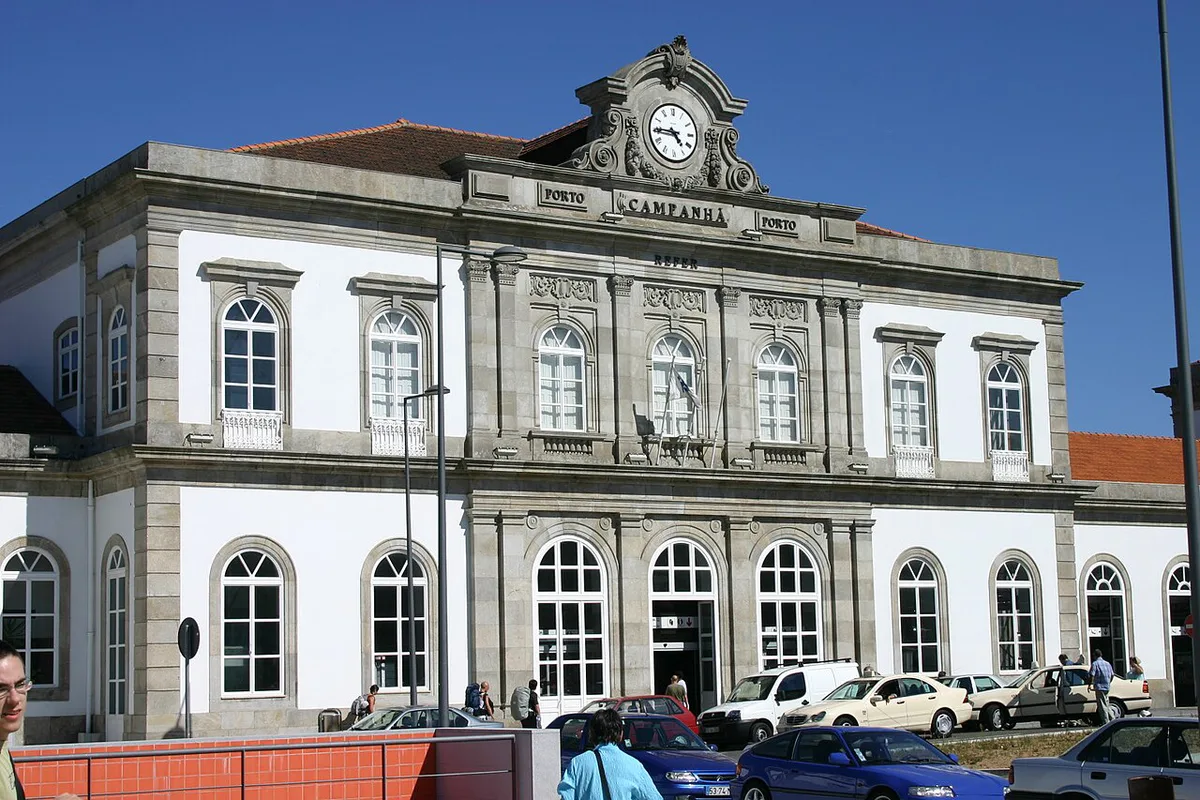
Porto to Vigo train: the quick answer
Direct trains link Porto Campanhã with Vigo-Guixar across the Minho border. Listings for the reverse direction show about 2 trains a day, covering roughly 121 km in around 2 hours 26 minutes. Both operators sell the service, so use the CP passenger site for the Portuguese side. For the Spanish side, use Renfe's booking pages. Timetables and fares can change, so read the live Porto to Vigo departures on the day you book. With so few departures, a missed train usually costs you most of a day.
Porto to Vigo train at a glance
Use this summary to frame the trip before you open a timetable.
- Route: Porto Campanhã to Vigo-Guixar, direct, no change of train on the listed service.
- Distance: about 121 km.
- Typical duration: roughly 2 hours 22 minutes to 2 hours 30 minutes in sample listings.
- Frequency: about 2 trains a day, so there is no turn-up-and-go service.
- Time difference: Spain is 1 hour ahead of mainland Portugal.
- Where to buy: CP, Renfe, or a booking aggregator.
Train times and the time-zone trap
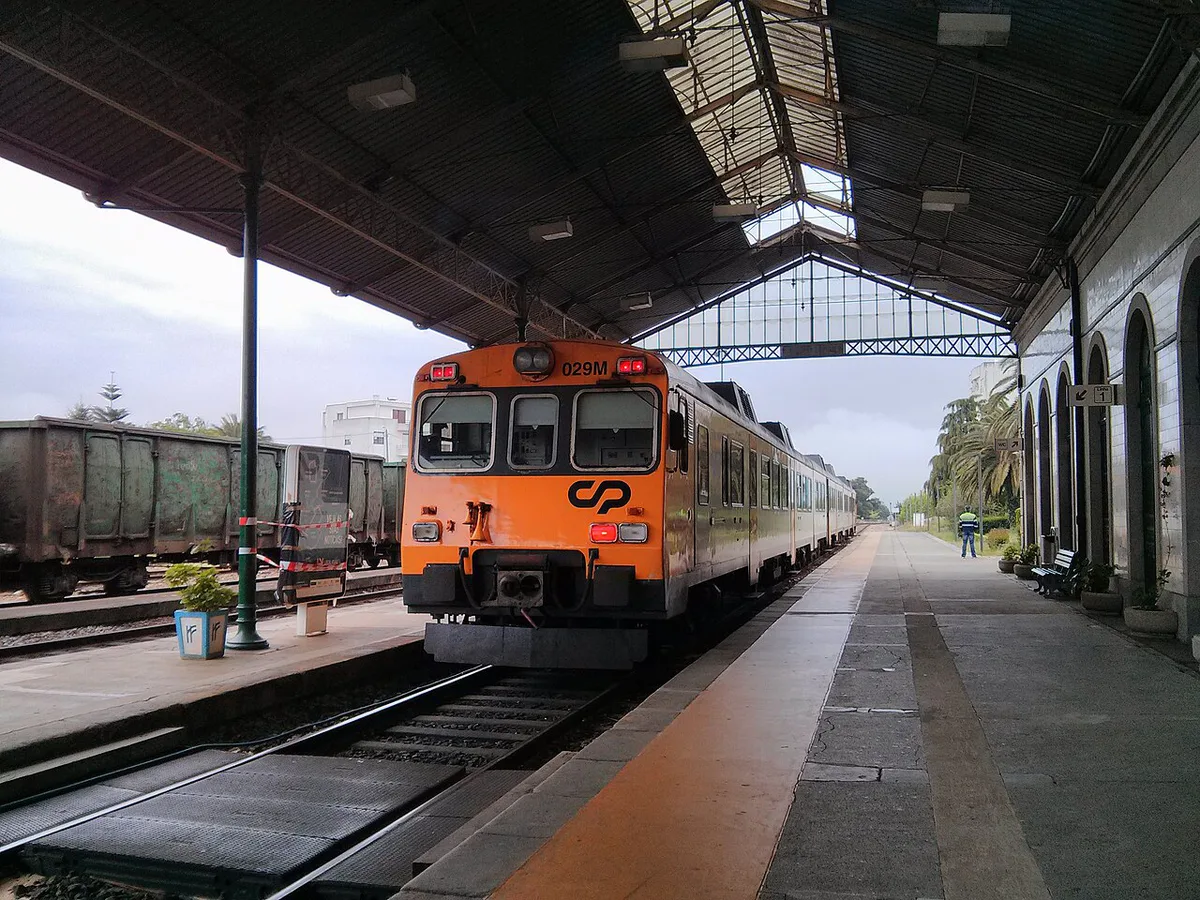
Few direct trains means the timetable decides your whole day. Pick your departure first, then plan everything else around it. Spain runs 1 hour ahead of mainland Portugal, so a train that leaves Porto and takes about 2 hours 26 minutes arrives on a Spanish clock that has moved on by 3 hours 26 minutes. Check whether each time on your ticket is local to the station. Set your phone to the Spanish clock when you cross the border so that a connection in Vigo does not slip by an hour. Do not assume the service runs daily or at the same times in every season, because sample listings showed different departure times on different dates.
Stations: where you leave and where you arrive
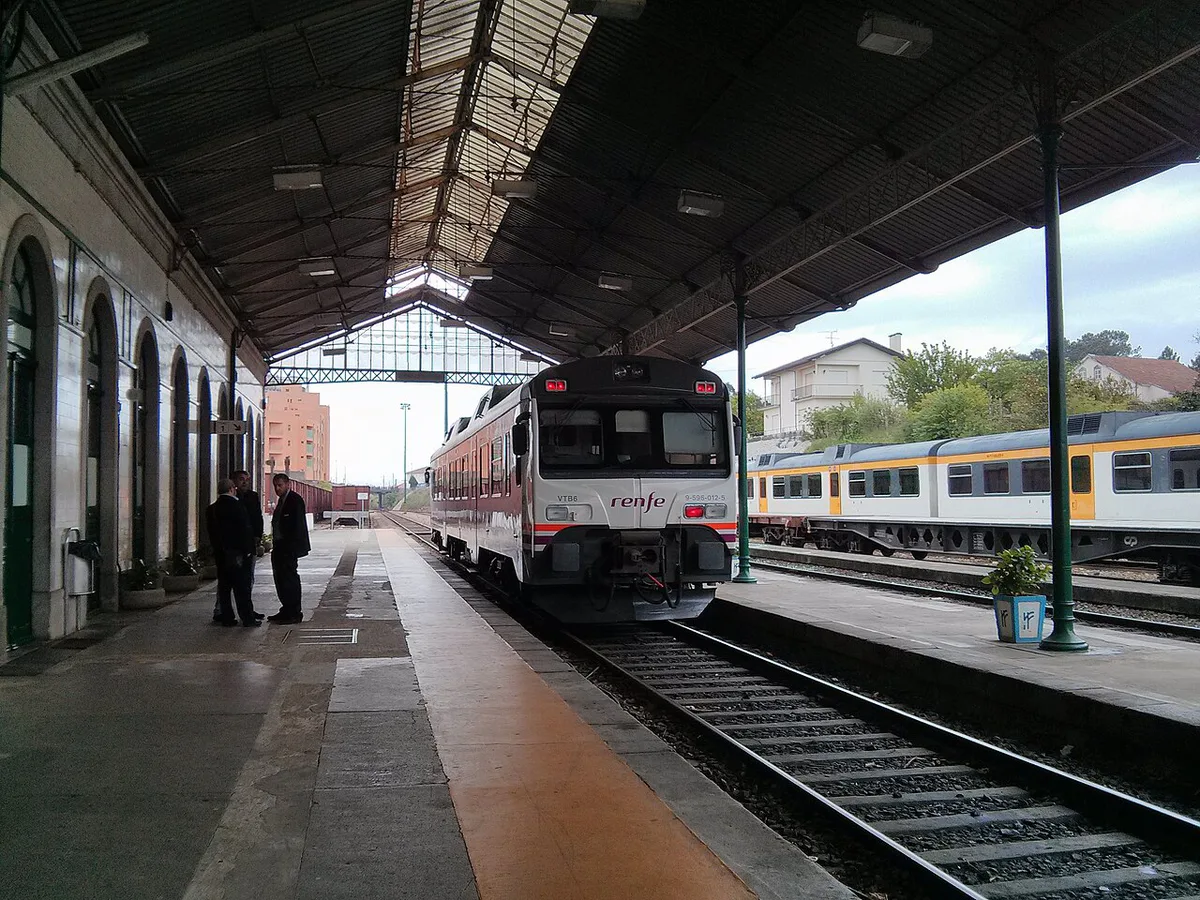
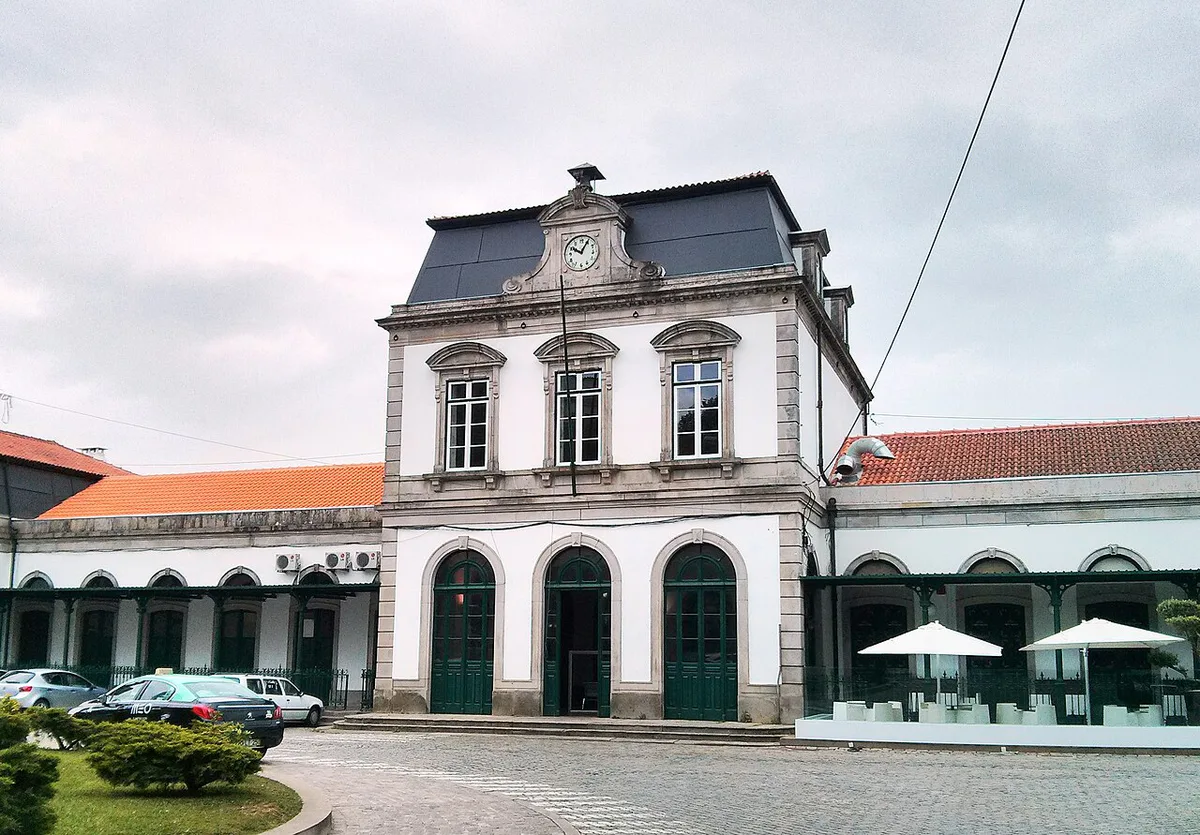
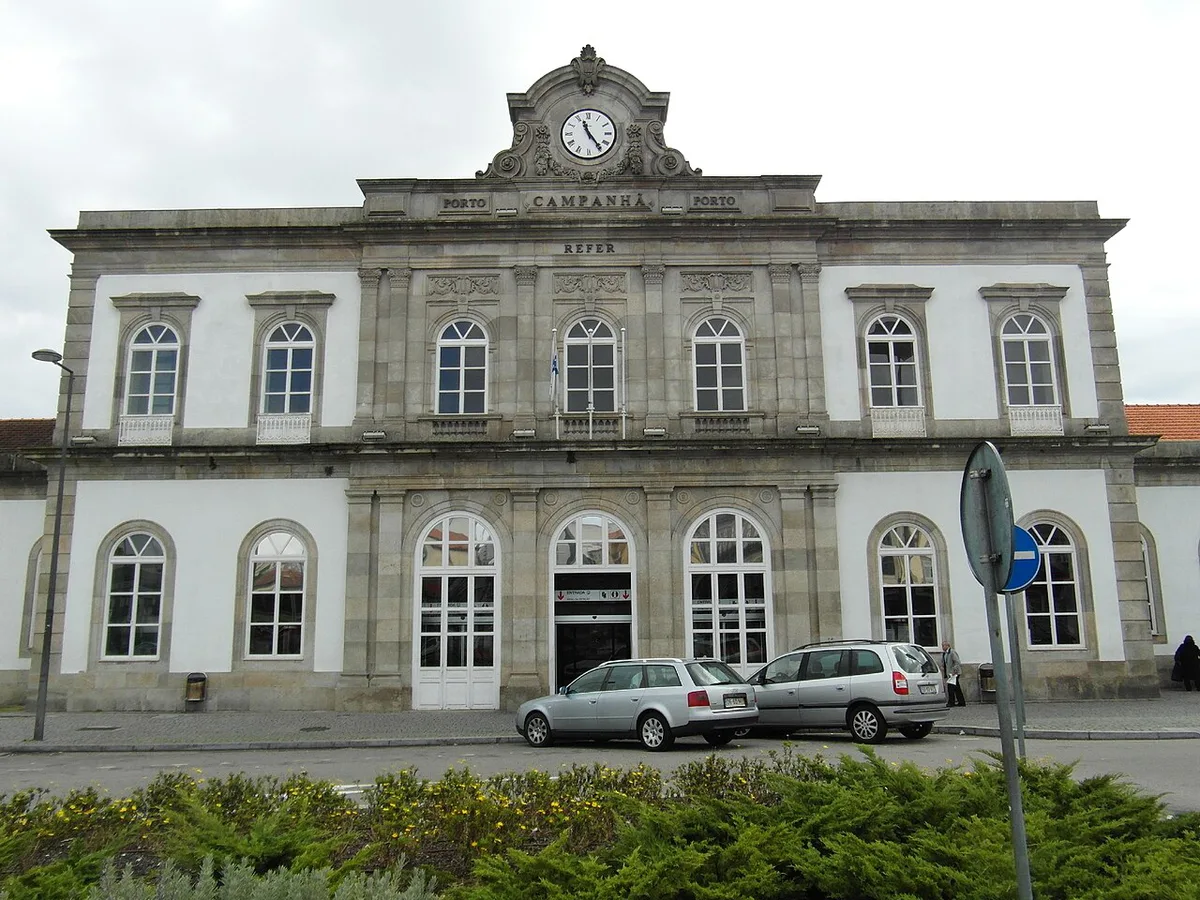
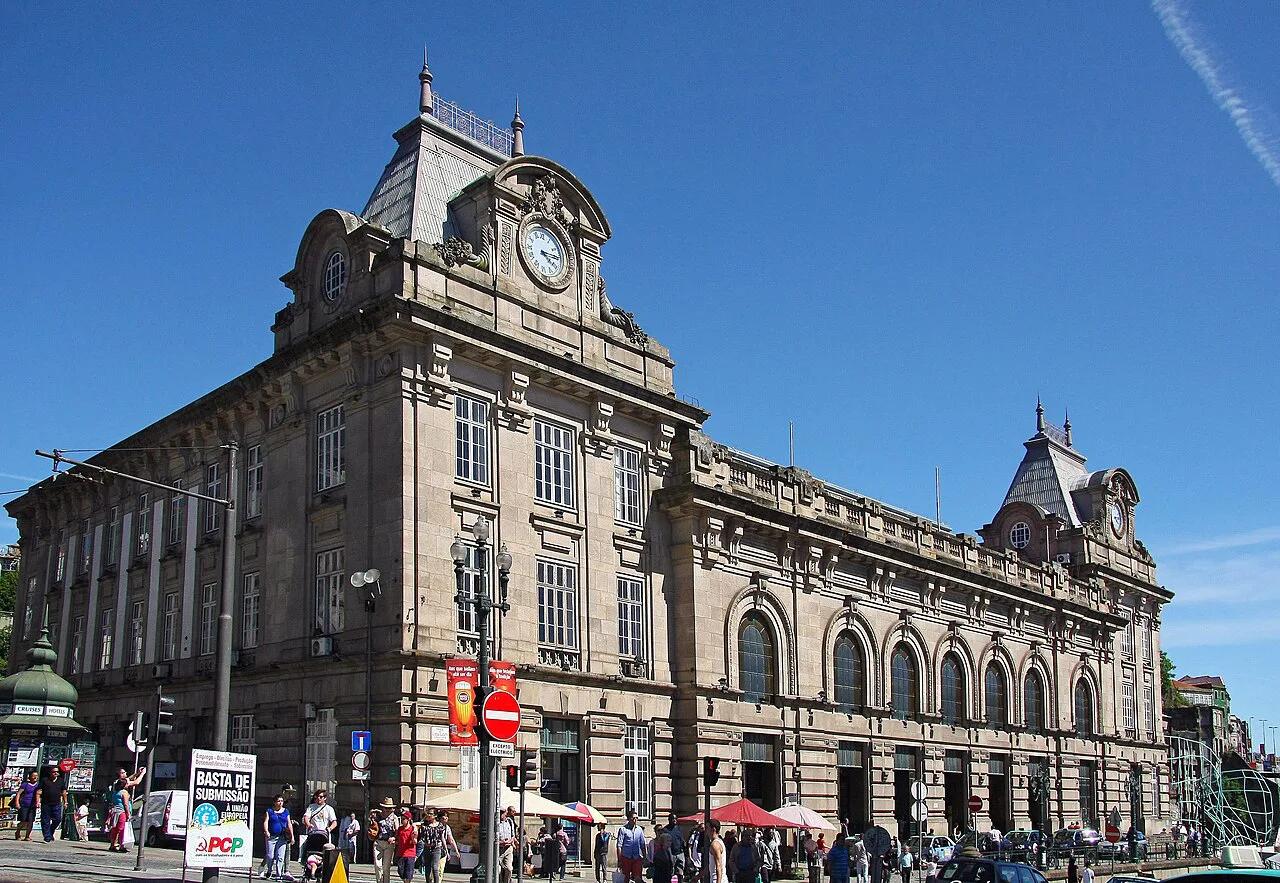
Direct trains leave from Porto Campanhã, which sits about 2 km from the city centre. Our guide to Porto Campanhã station covers the layout and onward links. Many visitors sleep near São Bento, so allow extra time for the transfer. See São Bento station for how that station connects to the regional network. Do not turn up at São Bento expecting the cross-border train, because the sample timetables show Campanhã as the Porto station. In Vigo the train arrives at Guixar, on Rúa do Areal and about 1 km from the city centre. Aggregator listings show city buses L10 and C3d serving it, and a short taxi ride also works. Vigo has more than one station, so make sure your ticket says Guixar.
Tickets and prices
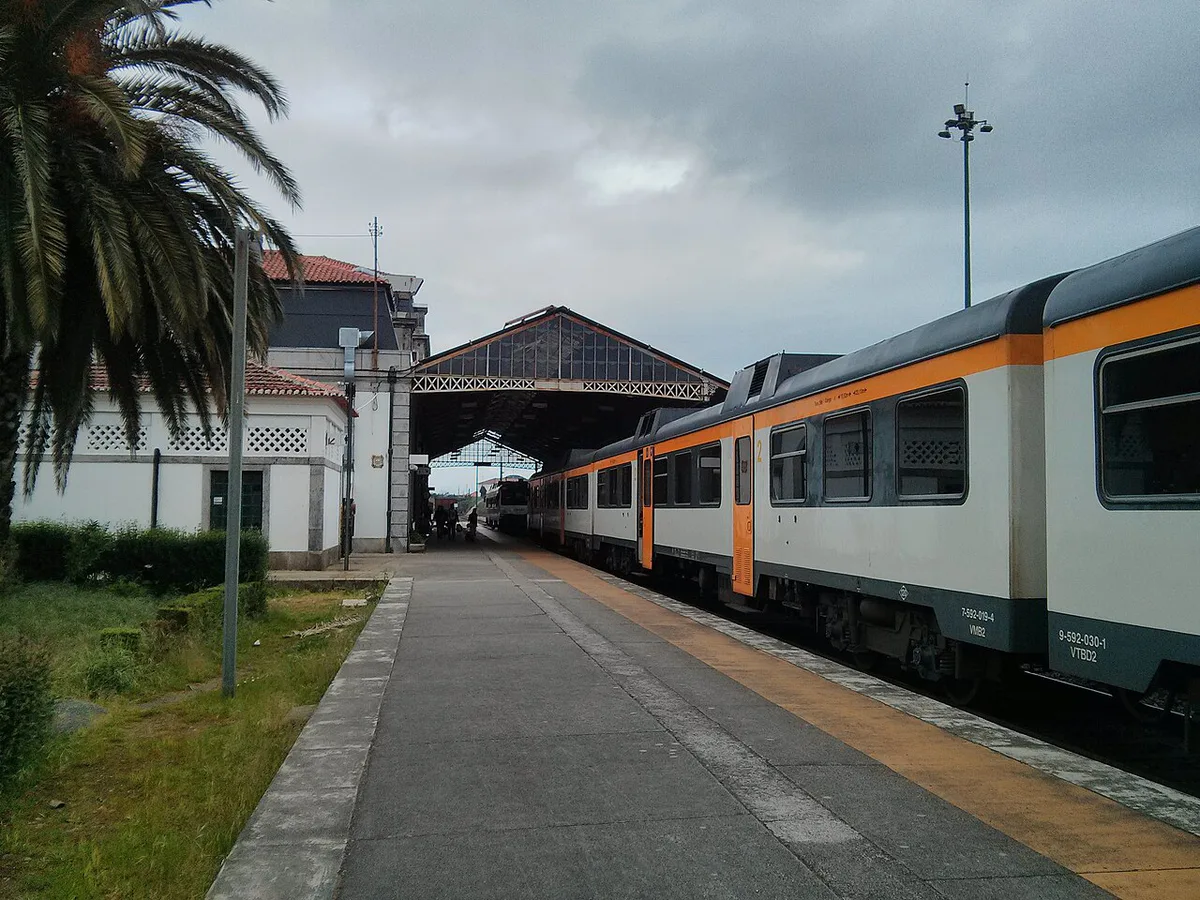
Fares are set per operator and per date, so buy from the source before you compare. Sample aggregator listings for a late-November date showed a one-way train fare of €17. Treat that as one data point rather than a typical price, because fares move with date and demand. Prices checked November 2026. Aggregator buses between the two cities appear at a lower headline fare than the train, but the train is the shorter, simpler ride. For Portuguese-side fare types, read our guide to CP train tickets. Look up refund and change rules on the operator's own policy page before paying. Prefer a flexible fare if you have an onward flight or connection on the same day.
Train vs bus vs car vs mixed route
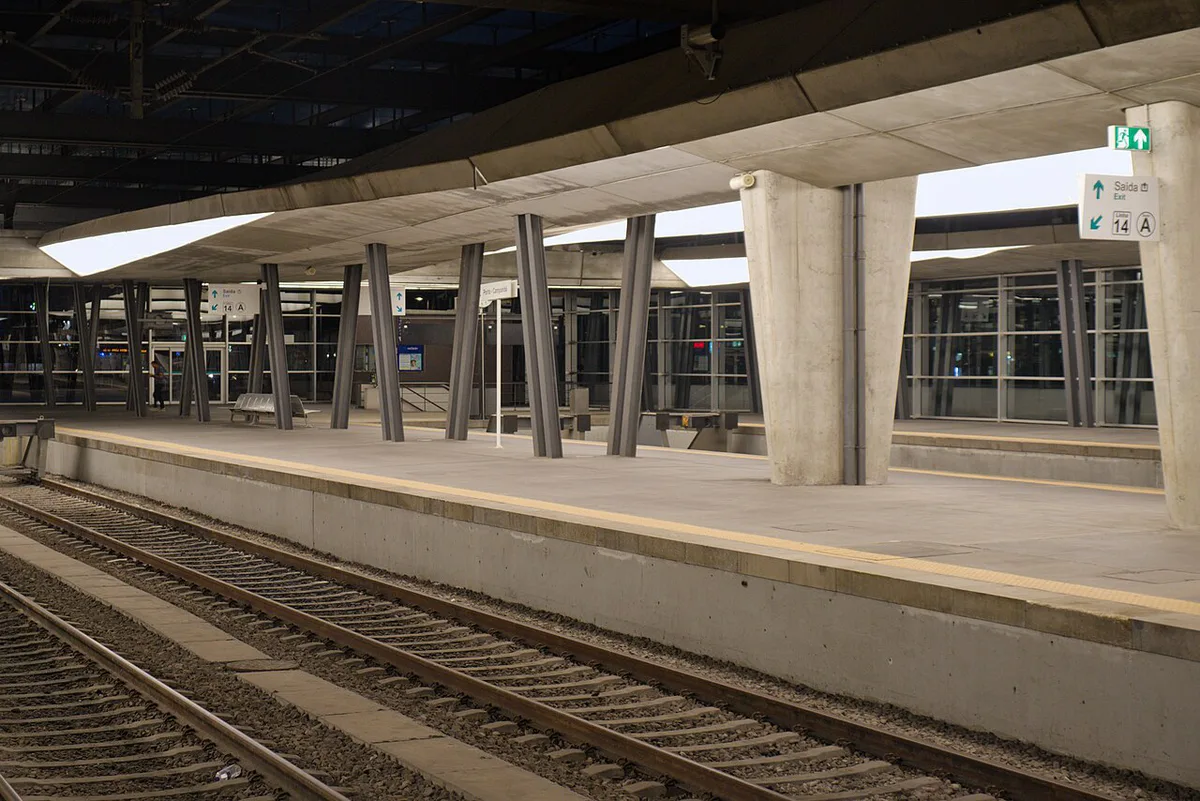
Each option suits a different traveler. Compare them on effort rather than on the headline fare.
- Direct train: about 2 hours 26 minutes station to station, but only about 2 departures a day. Best for travelers who can fit around the timetable and want to avoid the road.
- Bus: aggregator listings show lower fares and more flexible departures than the train. Compare journey times on the bus operator's own site.
- Car: the most flexible for families with luggage. Expect a border crossing within Schengen, parking costs in Vigo and a drive of roughly 121 km each way, based on the rail distance.
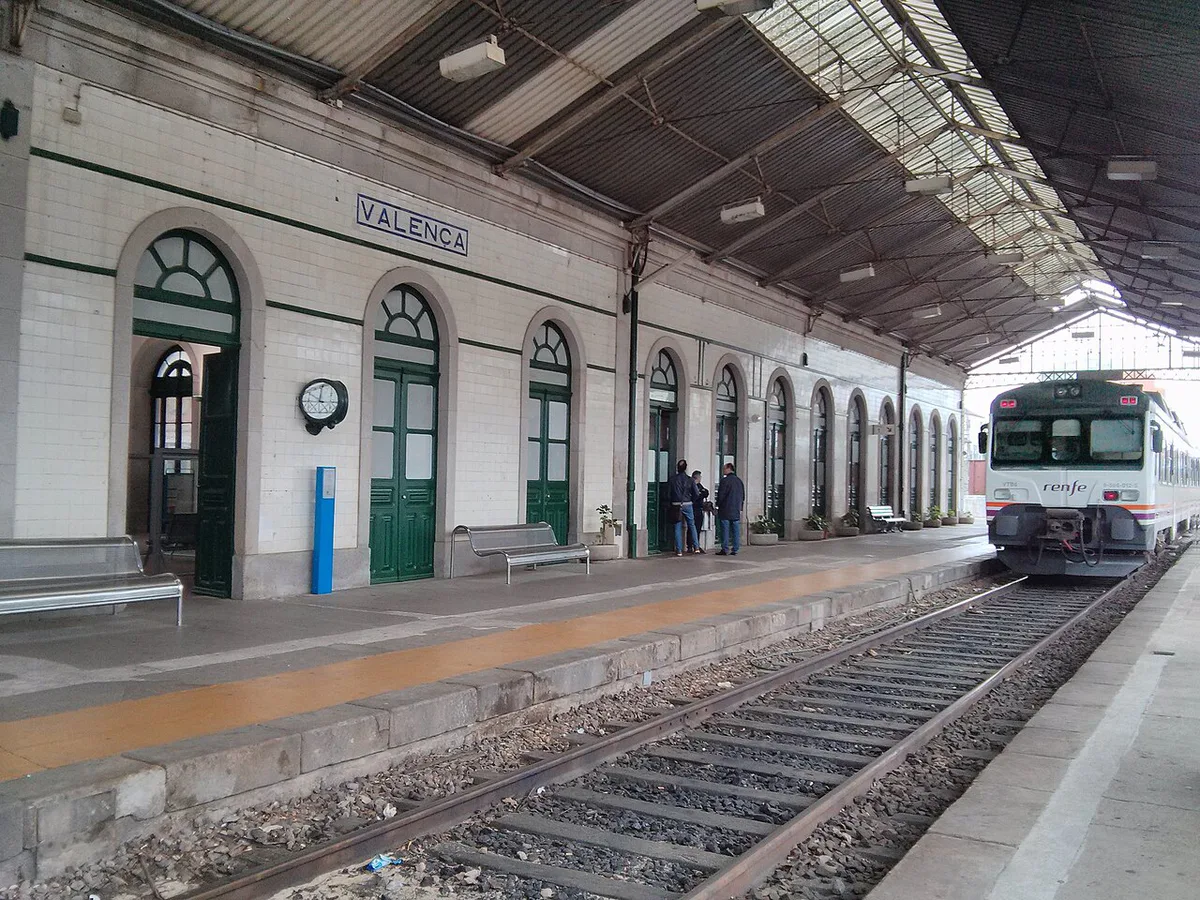
- Mixed route: a regional train along the Minho line to Valença, then a hop across the border to Tui, can work if the direct train is full. Check both timetables before booking, and buy through tickets where possible.
Can you do it as a day trip?
Only if the timetable allows it. With about 2 trains a day and a journey of around 2 hours 26 minutes each way, a same-day return needs a morning departure from Porto and an evening return from Vigo. Add the 1-hour clock change and you may get only a short stretch in Vigo. If the return train leaves too early, stay overnight or use the bus for one leg. Missing the last train leaves you buying a bus or a hotel room at short notice.
Getting to Porto first
Arriving from the capital? Our guide to the Lisbon to Porto by Train: Times, Tickets & Stations lists the options. The fastest link is the Alfa Pendular service into Campanhã, which puts you at the right station for Vigo. Do not book a tight same-day connection on separate tickets, because a delay on the first leg can strand you in Porto. Leave a long buffer or sleep in Porto. Our Portugal by train guide maps the wider network.
Arriving in Vigo
From Guixar you can reach the centre on foot over about 1 km, or by bus L10 or C3d. Store luggage before sightseeing if your hotel is not yet ready. Seasonal boats to the Cíes Islands exist, but check the current operator and dates before planning around them. Vigo is also a stop for onward Spanish trains, such as the Santiago de Compostela link listed on aggregator pages.
Common mistakes to avoid
A few errors cause most of the trouble on this route.
- Forgetting the 1-hour time difference between Portugal and Spain.
- Assuming frequent departures, when the direct service runs only about 2 times a day.
- Heading to São Bento when the train leaves from Campanhã.
- Buying a non-refundable fare with a tight onward connection.
- Trusting an aggregator's headline price instead of the operator's current fare.
Frequently Asked Questions
Is there a bus from Porto to Vigo?
Yes, aggregator listings show buses between the two cities, usually at a lower headline fare than the train. Confirm the operator, times and station on the bus company's own site.
Is it cheaper to buy train tickets in advance?
Often yes, because early fares are usually lower than same-day prices. Check the operator's own fare page, since the cheapest fares can sell out.
Is there a train between Santiago and Porto?
Aggregator pages list Santiago de Compostela to Porto as a popular connection. It may involve a change in Vigo or at the border, so check CP and Renfe for a current through ticket.
Rail notes for your next trip
Optional updates when our rail guides change.
Related guides

More guides
Picked from the same area