
NS Trains Explained: Tickets, Routes and Tips for Visitors
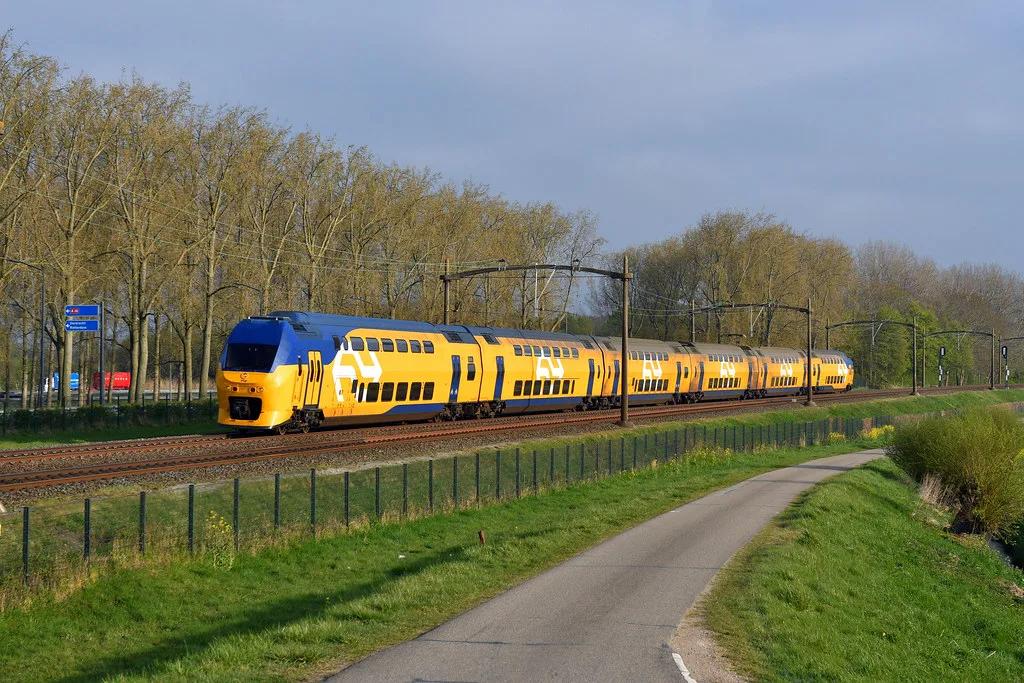
Last updated November 2026: NS trains are run by Nederlandse Spoorwegen, the main Dutch passenger operator, with intercity and Sprinter services across most of the country. Some regional lines are run by others such as Arriva and Keolis, and our Dutch rail overview maps the wider network. Plan in the NS app or journey planner, pay with a single ticket or an OV-chipkaart, and book cross-border trips through NS International.
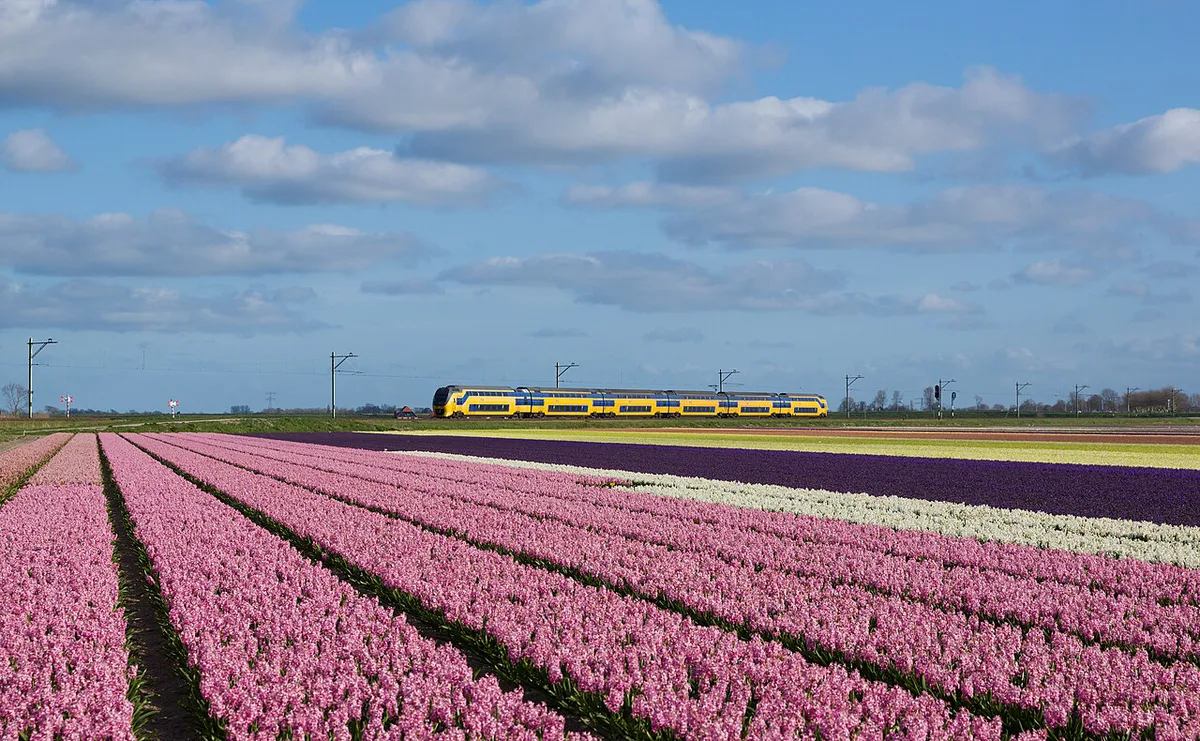
Featured image: Nelso M. Silva, CC BY-SA 4.0, via Flickr.
NS Trains: What They Run and Where
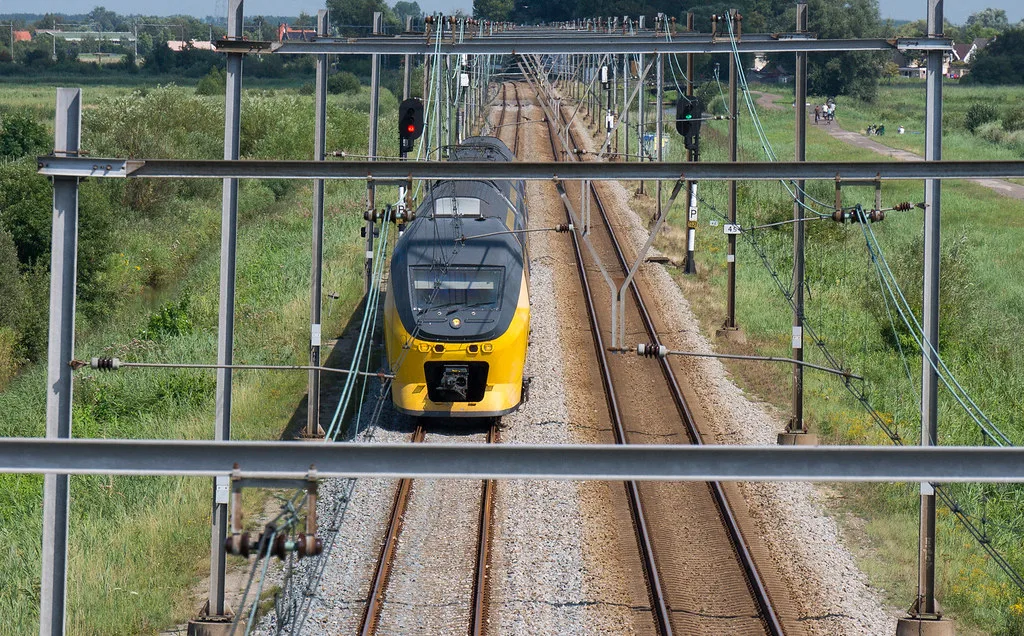
NS runs two core domestic products. Intercity trains link the big cities and stop rarely. Sprinters stop at nearly every station along a line, so they suit shorter hops and smaller towns. Cross-border tickets are sold separately through NS International, which is why a domestic ticket never covers a trip to Brussels or Cologne. Regional lines run by Arriva and Keolis connect into the NS network, so one journey can use more than one operator.
How to Plan a Trip with the NS Journey Planner
Start with the NS journey planner or the NS app. Both show routes, transfers and platforms for your chosen time. Check live disruption information before you leave your hotel, and again before you board a connecting train. Reroutes are common on busy corridors, and the planner shows them first. Features differ between the app and the website, so open the one you plan to use before you travel.
Tickets and How to Pay on NS Trains
Pick the ticket by how many trips you expect. A single ticket suits one or two journeys. Frequent riders usually prefer a rechargeable card, and our guide to travel card rules explains check-in and check-out. Current fares and product names are listed on NS tickets and fares. Prices and rules checked November 2026 are not reproduced here because they change.
| Option | Cost basis | Flexibility | Who should skip it |
|---|---|---|---|
| Single ticket | Priced per journey | Good for one fixed trip | Anyone riding several times a day |
| OV-chipkaart | Pay as you go from a stored balance | Works across many Dutch operators | Visitors making one short rail trip |
| Other NS products | Set by NS for each product | Depends on the product | Anyone who has not compared them with single tickets |
First Class, Peak Hours and Reservations
Domestic NS trains offer first and second class, and second class is enough for most visitors. Peak commuter hours on intercity corridors are crowded, so leave the Amsterdam–Utrecht stretch to commuters if your plans are flexible. Off-peak discounts depend on the ticket product, so read the product page before you buy. Domestic trains are not normally booked by seat. International trains are a different case, and NS International lists the booking rules for each route.
International Trains via NS International
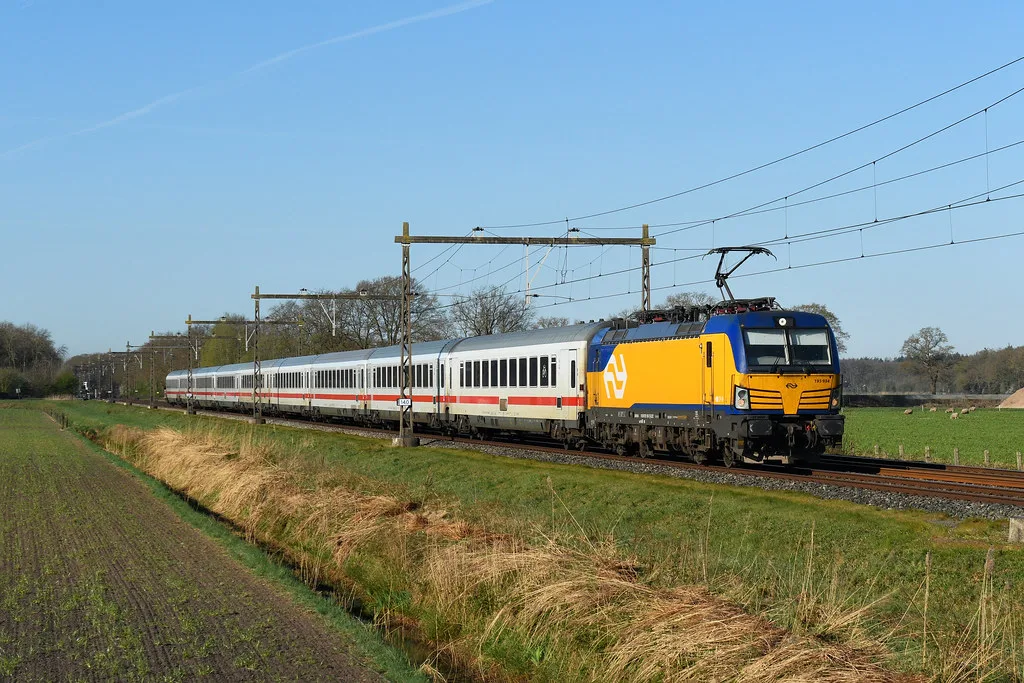
Book cross-border trips on NS International or with the partner operator for the route. Our cross-border booking guide covers the process step by step. Eurostar trains have their own booking site, and Eurostar publishes its own check-in and luggage rules. Departure stations change over time, so read your ticket for the station name. Use these route pages as a chooser:
- Brussels: see the Brussels route guide for operators and stations.
- Paris: see the Paris route guide for booking options.
- Cologne: see the Cologne route guide for the German leg.
- Frankfurt: see the Frankfurt route guide for transfers.
- Hamburg: see the Hamburg route guide for longer-distance planning.
Amsterdam to Brussels and Berlin: Direct Train Options
These are the two cross-border trips visitors ask about most. Both leave from Amsterdam Centraal, and neither is covered by a domestic NS ticket.
| Route | Train | Typical journey | Booking note |
|---|---|---|---|
| Amsterdam to Brussels | Eurostar direct, or Intercity with a change | Around 1 hour 50 minutes on the direct train; longer with a change | Direct trains require a reservation, so book ahead for the best fares |
| Amsterdam to Berlin | ICE direct, via Amersfoort, Deventer and Hannover | Roughly 6 to 6.5 hours | Reservations are optional but worthwhile on weekends and holidays |
Amsterdam to Brussels
The direct Eurostar is the fastest option and stops at Rotterdam and Brussels-Midi. The slower Intercity route involves a change but can be cheaper, particularly if you travel off-peak. Our guide to trains in Belgium covers onward connections from Brussels.
Amsterdam to Berlin
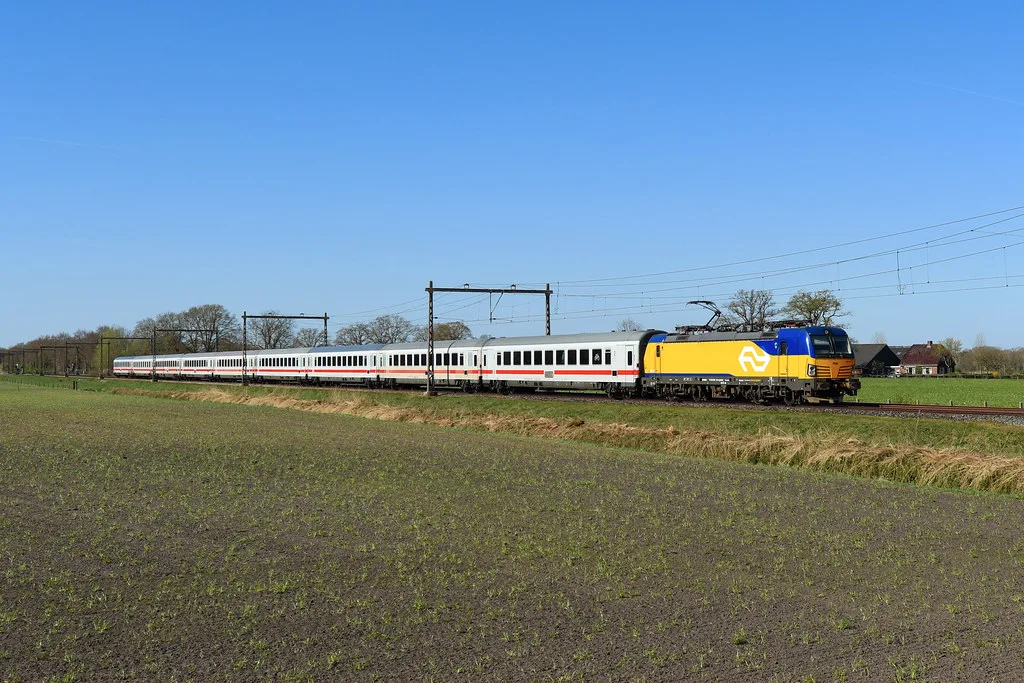
The ICE is a direct day train. It crosses the border near Bad Bentheim and continues through Hannover to Berlin, so there is no need to change in Germany. Pack food and water, since it is a long ride. Journey times and timetables shift with engineering works, so confirm the exact schedule in the NS International planner before booking.
For other long-distance journeys from the Netherlands, see our overview of high-speed trains in Europe.
Popular Domestic Routes from Amsterdam
Utrecht, Rotterdam and The Hague are the three common day trips. Journey times vary by train type and time of day, so read them from the planner. Most departures leave from Amsterdam's main station, covered in our Amsterdam Centraal guide.
| Route | Trade-off | Who should skip it |
|---|---|---|
| Utrecht route guide | Short hop, but commuter crowds at peak | Visitors who only want canals and museums in Amsterdam |
| Rotterdam route guide | Intercity is faster than a Sprinter | Travelers short on time who prefer the older city centres |
| Hague route guide | Fits a day trip, with transfers at larger stations | Anyone who dislikes changing trains |
Getting to and from the Station
NS International lists several ways to reach a station. Bike rental and secure bike storage are offered at NS international stations. Car parks are listed on the NS parking pages. The NS Zonetaxi serves rides to and from stations, and airport transfer options are also listed. Availability varies by station, so check the station page before you rely on any of them.
Mistakes to Avoid on NS Trains
A few habits cause most problems for first-time riders. Use this list before your first journey.
- Skipping check-in or check-out on an OV-chipkaart, which can leave your balance charged incorrectly.
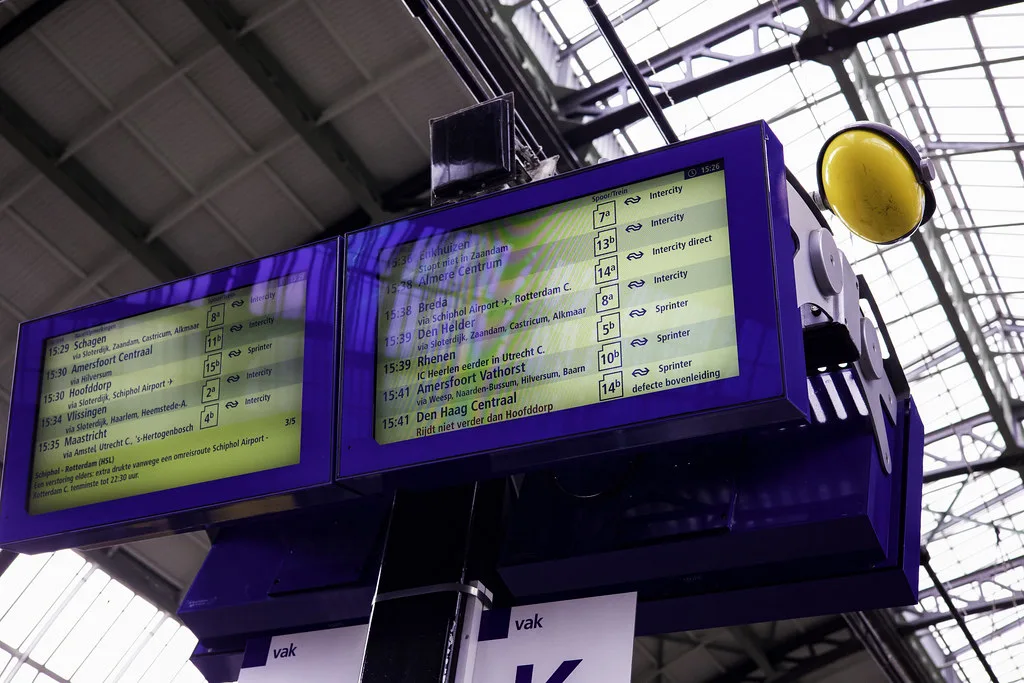
- Boarding the wrong train, since some trains split along the route; read the destination on the platform display.
- Travelling at peak when your schedule is flexible.
- Buying a domestic ticket for a trip that crosses a border.
- Having no backup plan during disruption; open the NS app and check the alternatives.
Do You Need an OV-chipkaart for NS Trains?
No. A single ticket is the simpler choice for visitors making one or two rail journeys. It avoids the need to manage a reusable card or stored balance. Check the current ticket rules on the NS site before travel, since products and conditions can change.
An OV-chipkaart suits travellers who expect to make several trips or use more than one Dutch operator. It can be used across much of the network, including regional services that connect with NS trains. Remember to check in before boarding and check out after arrival when using one.
For most short visits, second class is usually sufficient and domestic NS trains do not normally require a seat reservation. First class is available if you prefer more space, but it does not replace a valid ticket or card for your journey.
Rail notes for your next trip
Optional updates when our rail guides change.
Related guides
More guides
Picked from the same area