
Amsterdam to Hamburg by Train: Times, Tickets & Tips
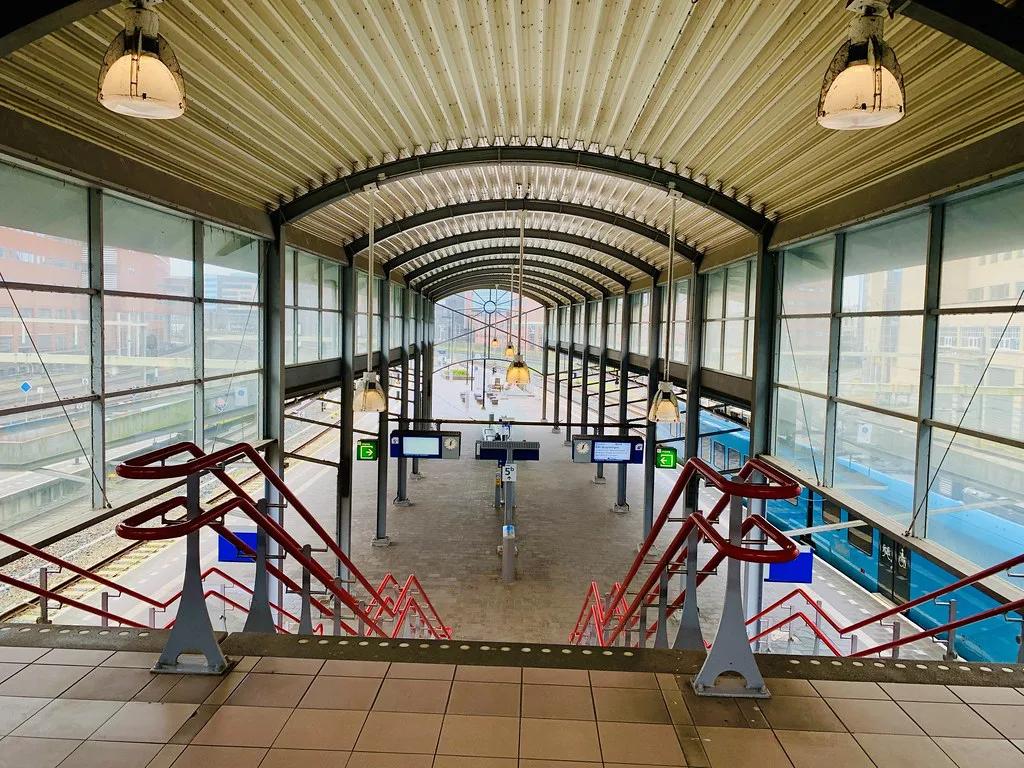
Last updated November 2026: the Amsterdam to Hamburg train runs from Amsterdam Centraal to Hamburg Hbf, and the quickest journeys take roughly 5.5 to 6 hours. Routing normally follows Amersfoort, Osnabrück and Bremen, either on a direct service or with one change. This guide covers journey times, stations, booking and the mistakes that cost travellers a connection, and it sits within our trains in the Netherlands guide.
Featured image: paularps, CC BY 2.0, via Flickr.
Amsterdam to Hamburg Train: The Quick Answer
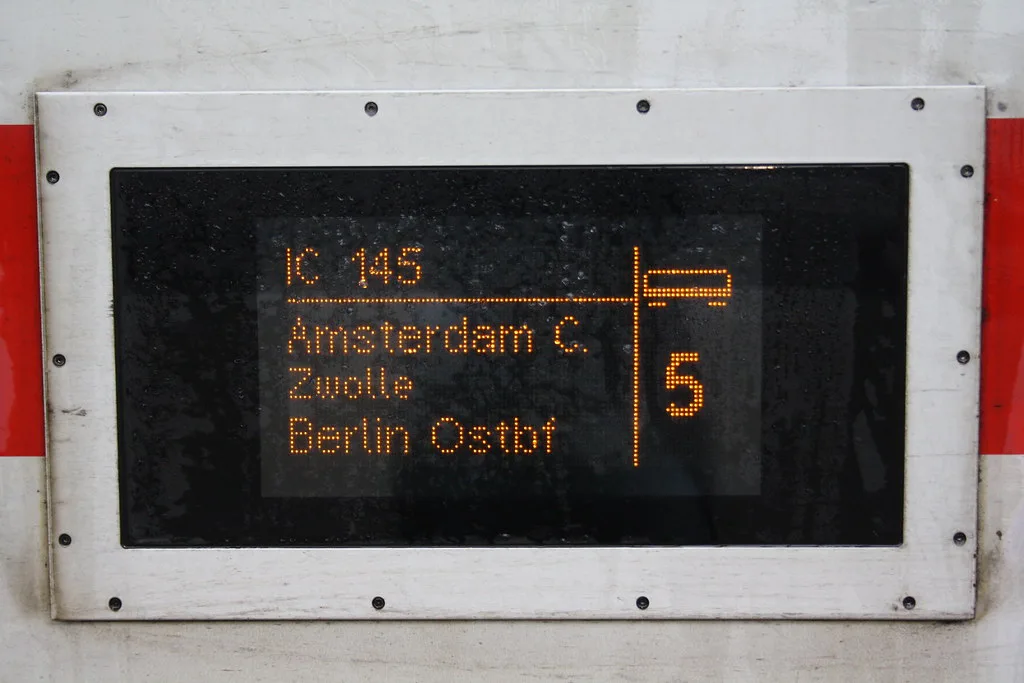
Yes, you can go by rail without flying. A direct Amsterdam Centraal to Hamburg Hbf service is offered on this corridor, so search for it first on NS International. When no direct train fits your day, expect one change, most often at Osnabrück. Book through NS International or DB Navigator, and look at the live timetable for your exact date before you commit.
Journey Time and Route Options
Published times differ because search tools mix direct trains with slow connecting itineraries. One reseller route search for a Hamburg suburban station on a sample date showed a fastest journey of 5h15 with one change. Its average was 7h07, and some listed itineraries needed up to 5 changes. Treat those as aggregator results, not a standing schedule. The table below sorts the realistic options for Hamburg Hbf.
A reseller's sample average of 7h07 sits well above the 5.5 to 6 hours quick estimate, so plan for the slower end.
| Option | Changes | Missed-connection risk | Best for |
|---|---|---|---|
| Direct train via Amersfoort, Osnabrück and Bremen | None | Lowest | Travellers with heavy bags or children |
| One change at Osnabrück | 1 | Moderate | Anyone when no direct train suits the day |
| One change at another German hub | 1 | Moderate to higher | Flexible travellers who find a cheaper fare |
| Itineraries with 3 or more changes | 3+ | Highest | Nobody who has a boat or flight waiting |
Timetable and Frequency
Schedules change by weekday, season and engineering works, so read the departure list for your date instead of relying on a typical pattern. The reseller search mentioned above showed a first departure around 06:00 and a last around 23:41 on its sample date. Treat those as illustrations only. Early and late slots usually mean connecting itineraries rather than direct trains. Peak commuter hours in the Netherlands, generally 06:00 to 10:00 and 15:00 to 19:00 on weekdays, can also push fares up.
Tickets, Fares and Where to Book
Start with NS International, which sells international tickets and seat reservations from the Netherlands. Our NS International explainer covers how it works. DB Navigator and bahn.de show the German side of the same trips. Trainline and similar resellers can compare operators, but check whether a booking fee is added at checkout.
Dutch peak commuter hours of 06:00 to 10:00 and 15:00 to 19:00 can push fares up, while rail fares usually go on sale three to six months ahead.
Rail fares in Europe usually go on sale three to six months ahead, and advance fares are normally cheaper than same-day tickets. Fares vary by date and time, so compare two or three departures before choosing. Domestic Dutch fares are listed on NS tickets and fares. Interrail and Eurail pass holders should read the pass operator's rules for seat reservations on this route before travelling.
Stations and What to Expect
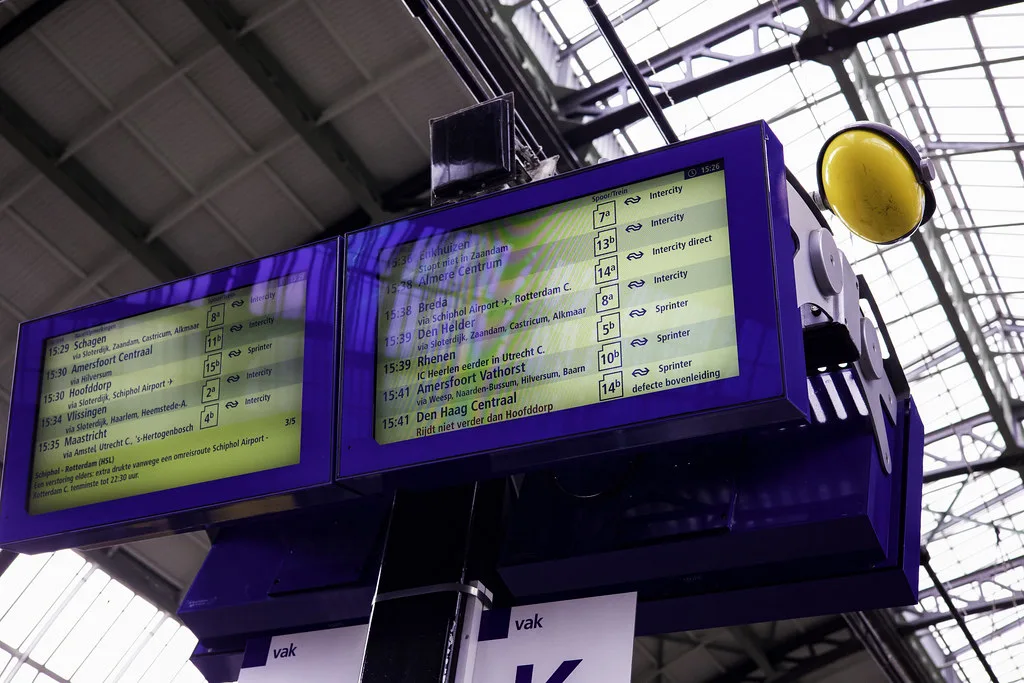
Trains leave from Amsterdam Centraal, where platforms are shown on the departure board. Our Amsterdam Centraal station guide covers layout and logistics. Arrive early enough to find the platform, especially with luggage.
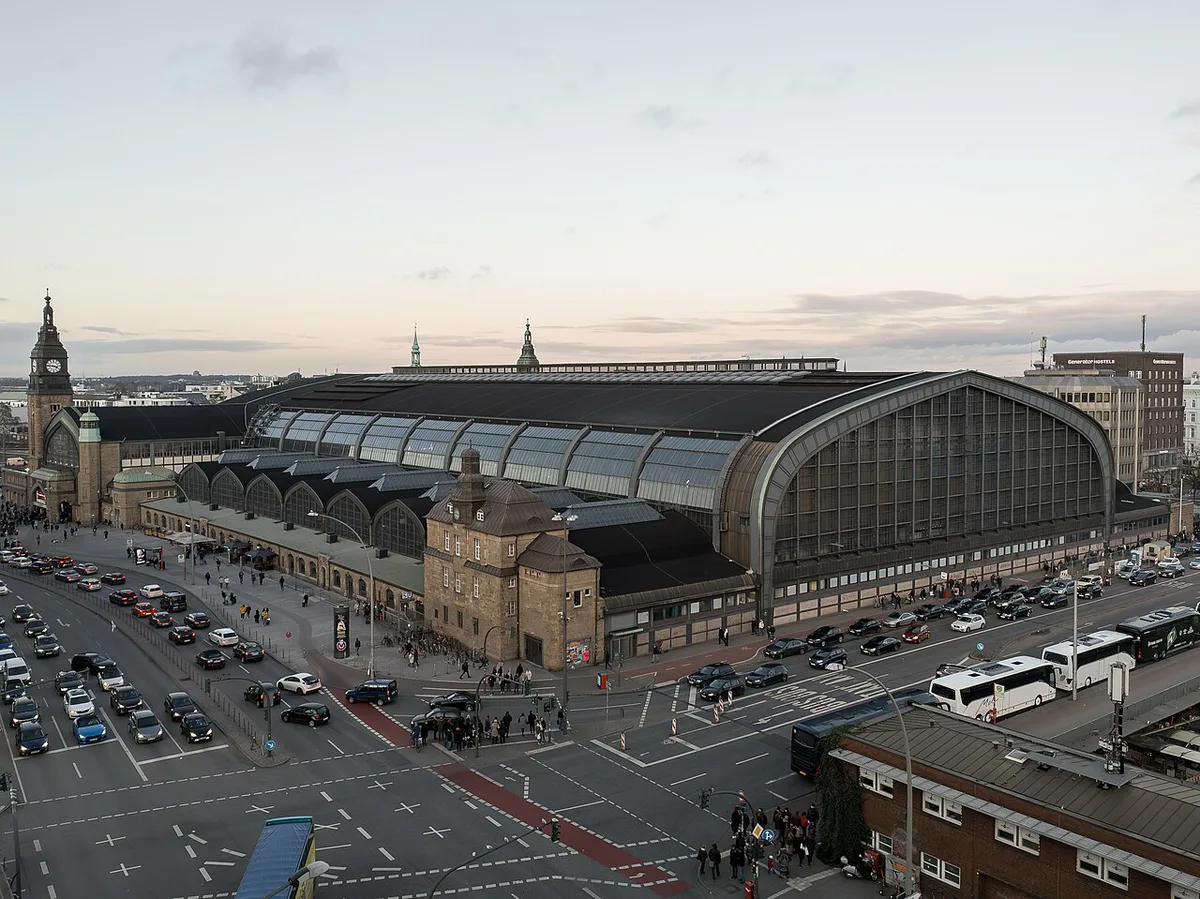
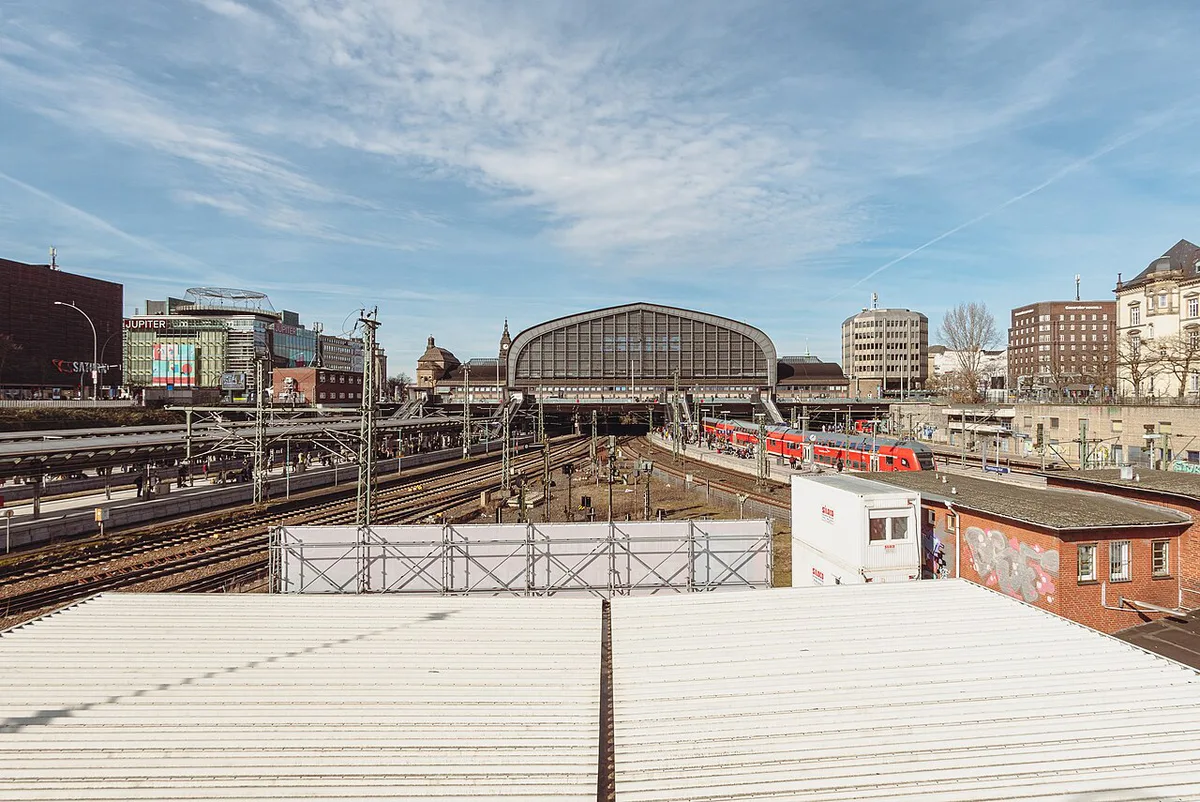
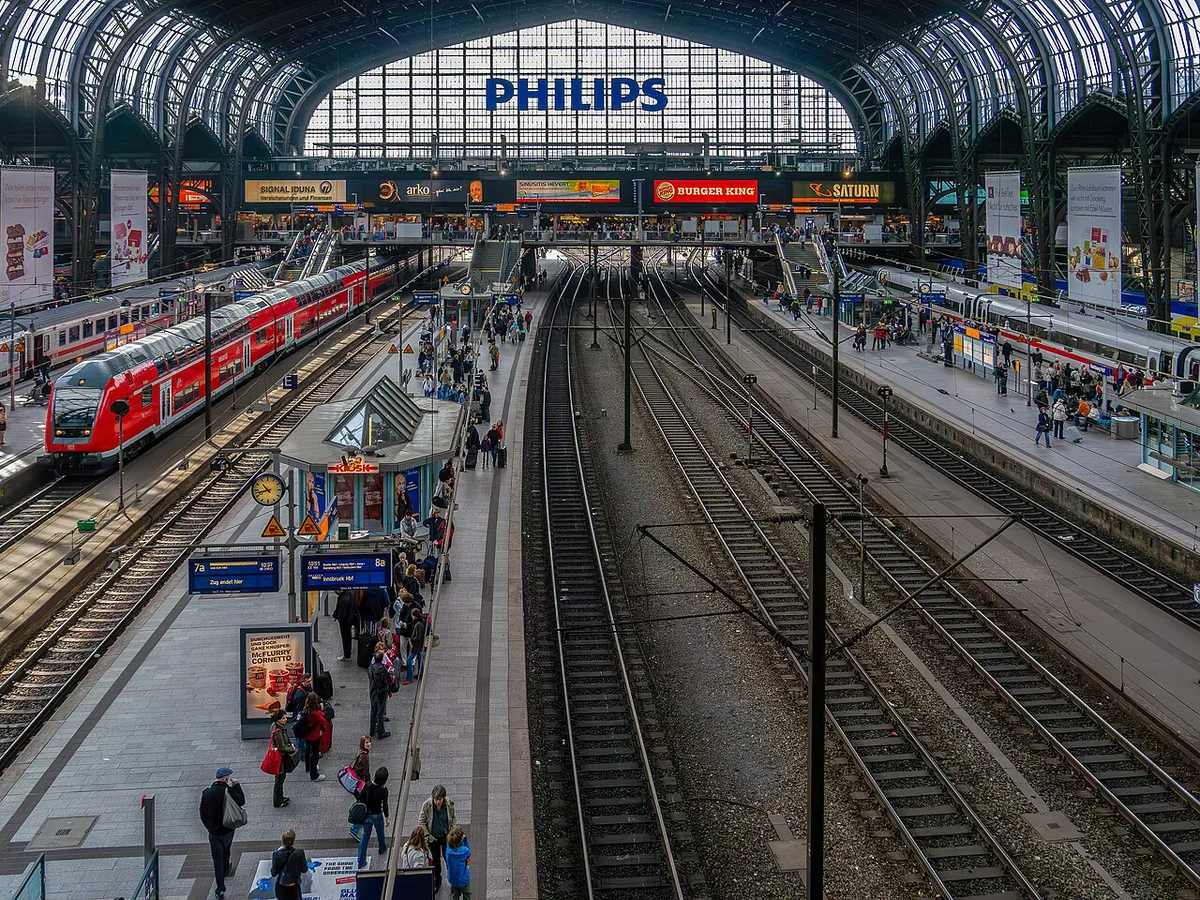
In Hamburg, Hbf is the default arrival and the best-connected station. Some services also call at Altona or Dammtor, so look at the stops in your journey details if your hotel lies on that side of the city. Sternschanze is a minor stop, not the usual arrival point for this route. From Hamburg Hbf, local transit or a taxi will take you into town.
ID, Luggage and Onboard Facilities on the Journey
Both the Netherlands and Germany are in the Schengen Area, so there is no routine passport control on this route. Carry a passport or national ID card anyway. Spot checks by border police on international trains do happen, and airlines or cruise lines may ask for the same document later in your trip.
Luggage
German long-distance trains do not set a strict weight limit on bags, but you must be able to lift your own luggage onto the rack. Large suitcases go in the racks at the carriage ends or in the space between seats. Keep valuables with you rather than in the end-of-carriage racks, especially on a journey of nearly six hours with stops at Amersfoort, Osnabrück and Bremen.
Bikes
Bikes are normally accepted on international services only with a reservation and a bike ticket, and the number of spaces per train is small. Book early if you are cycling, and confirm the rules for your exact train on NS International or DB Navigator before paying.
Food, power and Wi-Fi
Facilities depend on the train you are given. Many long-distance trains have a bistro or trolley service, but on a connecting itinerary the regional leg may have neither. Plan on buying food and water at Amsterdam Centraal before departure. Sockets and Wi-Fi are common on newer long-distance trains, though coverage can be patchy between towns, so download tickets and maps in advance.
Seats and quiet
- A reserved seat is worth having on a busy Friday or Sunday, when unreserved carriages can fill by Osnabrück.
- Sit on the right-hand side of the train for the calmer window views of the German countryside after Bremen, if you have a choice.
- Save your ticket as a PDF or in the app, because mobile signal is unreliable in rural stretches.
Continuing east after Hamburg rather than stopping? Our Amsterdam to Berlin train guide compares the longer route.
Train vs Flight vs Coach
A train runs from city centre to city centre, which removes airport transfers and security queues. Flying cuts time in the air, but total door-to-door effort is often close once you add check-in. Coaches are the slowest choice and tend to be the cheapest, though fares vary by date.
- Train: best for comfort, luggage space and a low-carbon trip.
- Flight: best when you need the shortest time in transit.
- Coach: best for the tightest budget when time is flexible.
Mistakes to Avoid
Most problems come from timing and station choice. Plan around these points:
- Booking a tight connection at Osnabrück when a later train gives more margin.
- Choosing a Hamburg station by name, such as Sternschanze, instead of Hbf.
- Skipping a seat reservation when your ticket or pass requires one.
- Relying on an old timetable when engineering works or strikes are possible.
- Skipping live checks on NS or DB Navigator on the morning you travel.
Onward Travel from Hamburg
Hamburg Hbf is a rail hub for connections toward Copenhagen and Scandinavia. Cruise passengers should confirm the terminal and boarding time with their cruise line, then allow a generous buffer after a long train day. For other German corridors, see our Amsterdam to Cologne train guide. Our Amsterdam to Frankfurt train guide covers a southern route. Heading west instead? Try Amsterdam to Brussels by train or the Paris route.
Frequently Asked Questions
How long is the train trip from Amsterdam to Hamburg?
Plan on roughly 5.5 to 6 hours for the quicker journeys. Slower connecting itineraries can take over 7 hours, so check the live timetable for your date.
Does the Eurostar go to Hamburg?
No, you cannot book Hamburg on Eurostar. Use NS International or DB for Amsterdam to Hamburg, and see Eurostar's route map for its own destinations.
Rail notes for your next trip
Optional updates when our rail guides change.
Related guides
More guides
Picked from the same area