
Amsterdam to Frankfurt by Train: Times, Tickets & Tips
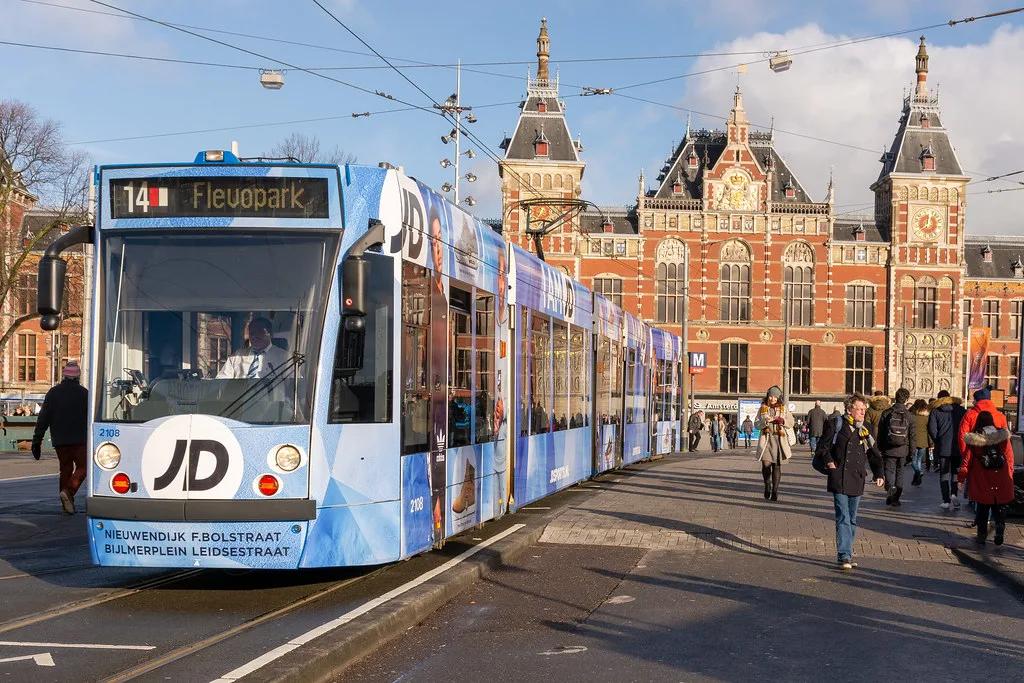
Last updated November 2026: the Amsterdam to Frankfurt train is a direct ICE run of about 360 km that typically takes roughly 3.5–4 hours. Direct services leave from Amsterdam Centraal, and some also serve Frankfurt Flughafen Fernbahnhof, the airport long-distance station, as well as Frankfurt (Main) Hbf. International tickets come from DB or from NS's cross-border ticket service, not the Dutch transit card, and fares swing widely with how early you book.
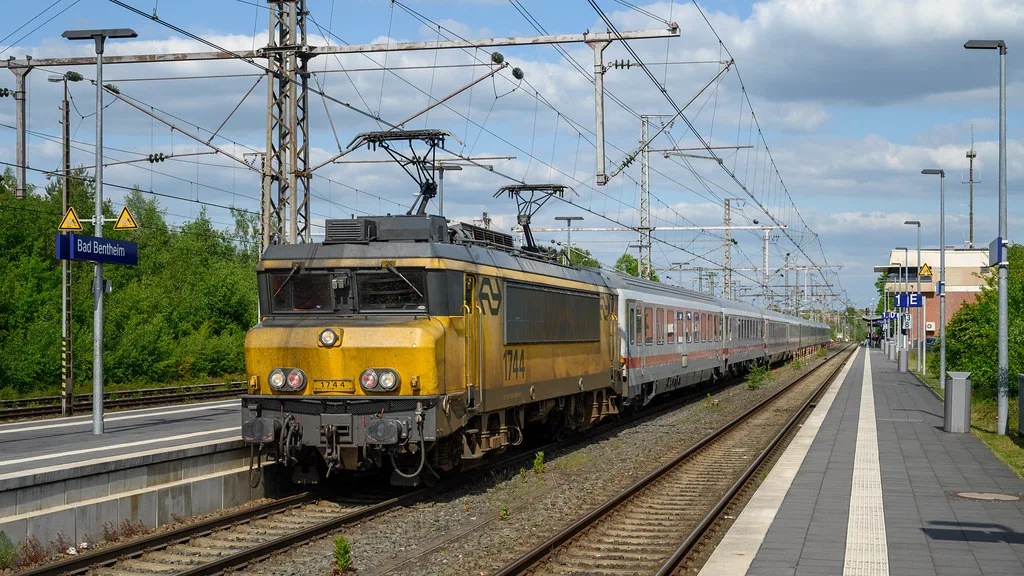
Featured image: Rob Dammers, CC BY 2.0, via Flickr.
Amsterdam to Frankfurt train: the quick answer
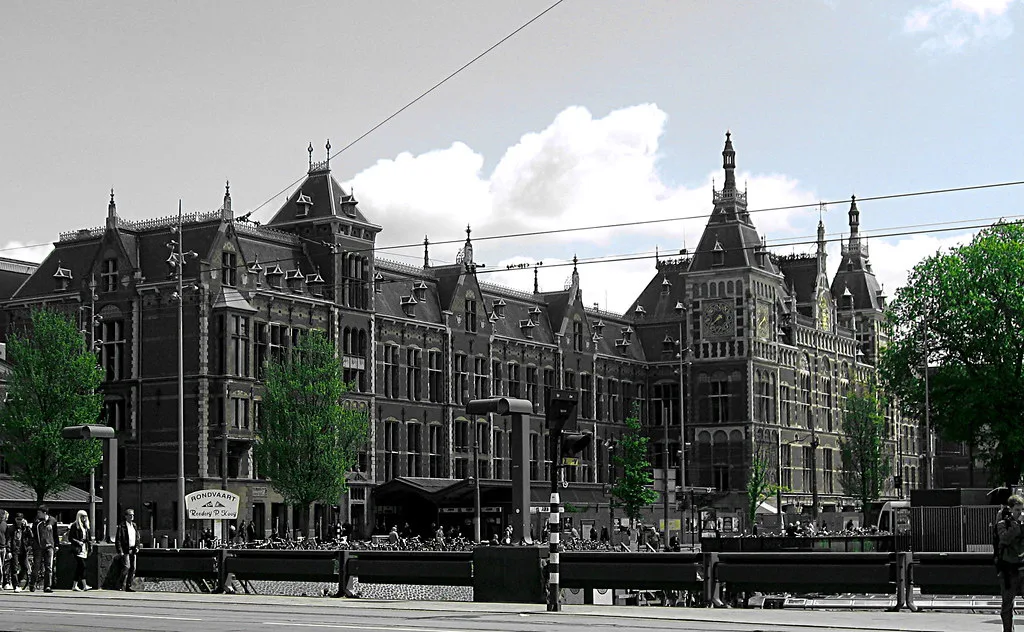
Direct ICE International trains link Amsterdam Centraal and Frankfurt (Main) Hbf via Utrecht, Arnhem, Duisburg, Cologne and Frankfurt Flughafen. Typical journey time is roughly 3.5–4 hours on a direct train. Several direct ICEs run through the day, mainly from morning to evening, with gaps between them. Anything labelled as a late-night direct option is usually a slower connecting itinerary instead. This page is part of our guide to the rail network across the Netherlands, and it covers the stations, tickets and timing decisions that matter on this one route.
- Distance: about 360 km between Amsterdam and Frankfurt.
- Direct journey time: roughly 3.5–4 hours, depending on the service and which Frankfurt station you pick.
- Operator: Deutsche Bahn runs the direct ICE services.
- Where to buy: DB or NS International, not the OV-chipkaart.
- Timetable: departure times change by date, so read the live timetable for your travel day.
Direct ICE vs cheap connections: what you are really choosing
Booking engines list two very different kinds of itinerary under one route name. One is the direct ICE, which stays on a single train for roughly 3.5–4 hours. The other is a connecting itinerary that mixes Intercity trains, regional services and sometimes a replacement bus. Some of these show 4 or 5 changes and take 6 to 9 hours. They often carry lower fares, which is why they sit at the top of a sort-by-price list. Each change adds a chance to miss a link, and each link on a cross-border trip depends on the previous train running on time. A low fare is only a saving if you are happy to pay for it in hours and risk. Most travellers with a fixed plan are better off on the direct train, even at a higher fare.
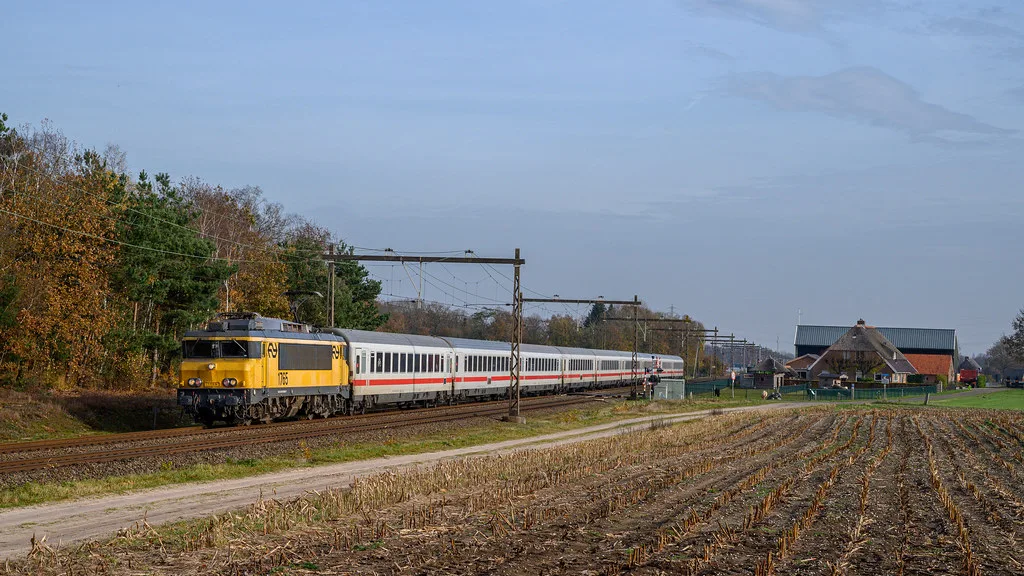
- Direct ICE: one train, one seat, no platform changes, roughly 3.5–4 hours.
- Multi-change itinerary: lower fares are common, but 4–5 changes and 6–9 hours are typical.
- Direct ICE suits you if you carry luggage, travel with children or have a flight, meeting or hotel check-in waiting.
- Multi-change suits you only if time is flexible, luggage is light and a missed link costs you nothing.
- Skip the cheap connection if you arrive late in the evening, because a miss can leave you stranded between towns.
Which stations: Amsterdam Centraal or Zuid, Frankfurt Hbf or Flughafen
Amsterdam Centraal is the usual starting point for direct ICEs. Read the full main Amsterdam station guide for platforms and facilities. Booking tools also list Amsterdam Zuid departures, and those tend to belong to the multi-change itineraries described above. Check the departure station on your ticket before paying, because Zuid and Centraal sit in different parts of the city. Frankfurt gives you a second choice to make. In sample timetables, the direct ICE reaches Frankfurt Flughafen Fernbahnhof after about 3h 35m and Frankfurt (Main) Hbf after about 3h 49m to 3h 56m. Stopping order can differ by service, so read each train's route on the booking page.
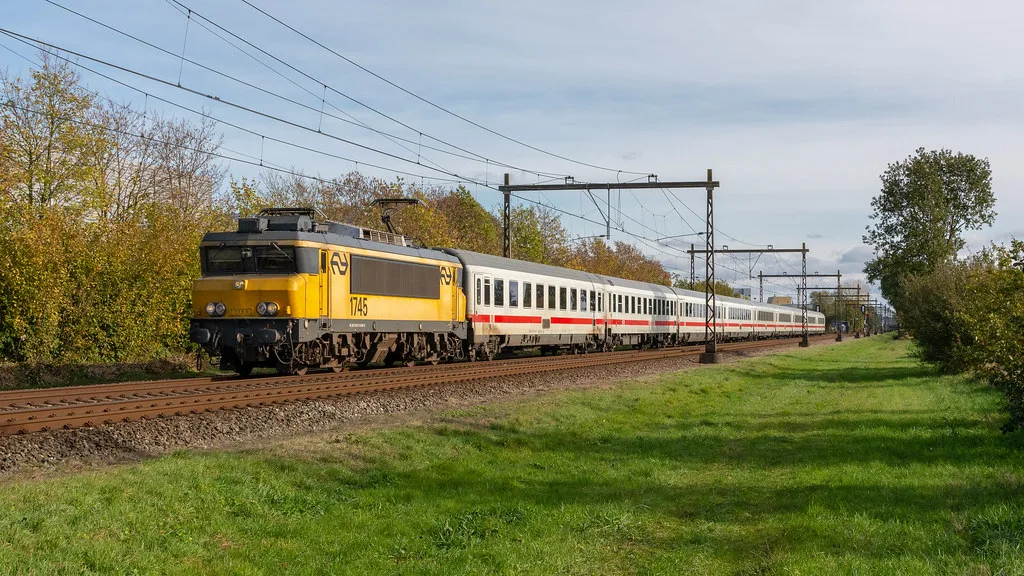
- Choose Frankfurt (Main) Hbf for the city centre, hotels and onward trains: it is the large hub station.
- Choose Frankfurt Flughafen Fernbahnhof if you are flying out or staying near the airport.
- Do not confuse the Fernbahnhof with the airport's regional station, which appears in some listings with much longer, multi-change journeys.
- Amsterdam Centraal is the safer departure point for a direct ICE; Amsterdam Zuid usually signals a connection.
How to book from the Netherlands
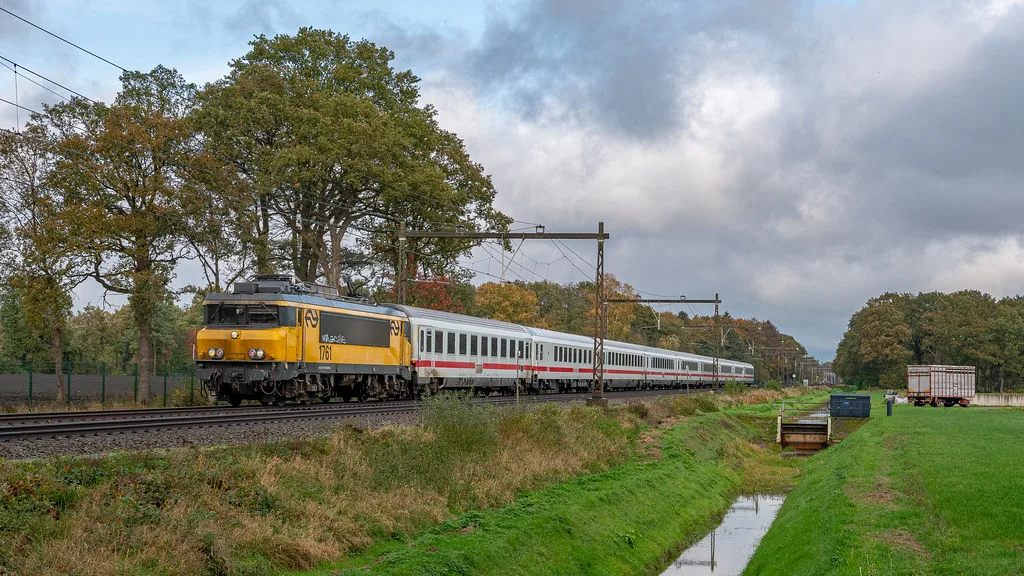
Direct tickets come from the operator side: DB, or NS through its NS International booking pages. The Dutch transit card system is not valid for this trip, because it covers domestic travel only. Keep it for the tram, metro and bus on either end of your day. Domestic regular NS services run on separate tickets, which matters if you cross the country to reach Amsterdam first. Fares depend heavily on how early you buy and how flexible the ticket is. Advance fares on direct ICEs are the cheapest direct option, and flexible fares are the most expensive. Book as early as the booking window allows. You can compare current offers on the NS ticket and fares page. Third-party booking sites such as Omio and Trainline resell rail tickets and can be handy for comparing modes. They may add fees, and their sort order often puts slow connections first. Buying from the operator gives you the clearest view of what you are getting. Discount cards such as the BahnCard exist for German travel, but whether one pays off depends on how often you ride in Germany, so read the terms on bahn.com.
Amsterdam to Frankfurt: train vs plane vs bus
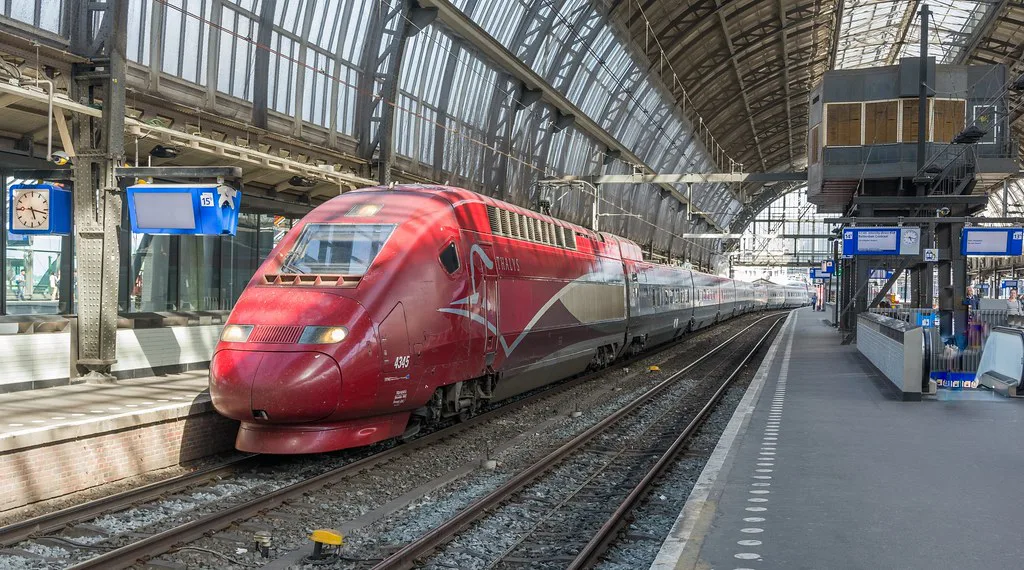
Rail covers about 360 km in roughly 3.5–4 hours, centre to centre, with no airport procedures. A KLM flight is listed at about 1h 5m to 1h 10m in the air, but that excludes the transfer to Schiphol, check-in, security and the trip into Frankfurt. Once those are added, the gap with the train shrinks a lot. Buses are the slowest option, with listed journey times from about 8 hours up to 16h 40m. Treat bus times and prices as indicative, since they change with operator and season.
| Mode | Door-to-door time | Cost pattern | Luggage | Reliability | Best for |
|---|---|---|---|---|---|
| Direct ICE | Moderate: centre to centre, no airport buffers | Cheap if booked early, high for flexible fares | Carry what you like, keep it near your seat | Depends on cross-border delays; no checks needed | Most travellers, especially with luggage |
| Flight | Short in the air, long once transfers are added | Varies widely; baggage fees may apply | Weight limits and check-in | Weather and airport queues are the risks | Onward flight connections only |
| Bus | Longest, with some listings above 8 hours | Usually the cheapest on paper | Limited by operator rules | Road traffic and border stops | Tight budgets with flexible time |
| Car | Similar to a long drive, plus parking at both ends | Fuel, tolls and parking add up | Most flexible | Traffic and roadworks | Groups with lots of gear |
Planning your day
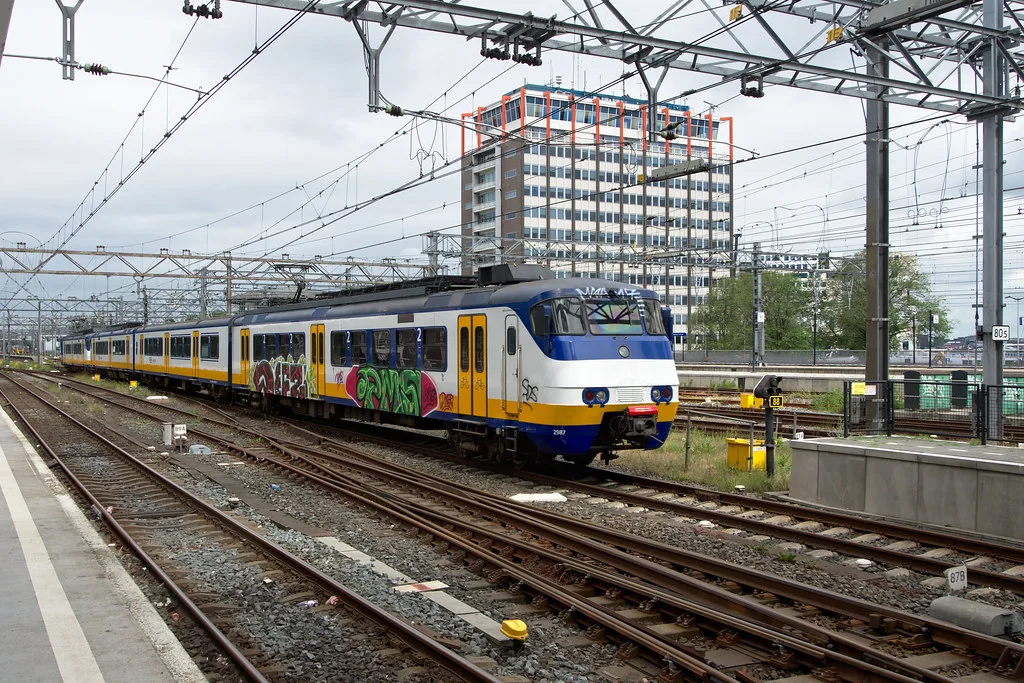
Direct ICEs are spread across the day, so the real question is which gap suits you. Morning departures give you the longest margin if something goes wrong, because a later direct train is still available. An evening arrival leaves less room for fixes. On the way in, leave a buffer before your train. Reaching Amsterdam Centraal with a few spare minutes is better than racing from a tram with luggage. Cross-border ICEs can run late, and on a direct train that simply means arriving late. On a connecting itinerary, a late first leg can break everything that follows. For onward same-day trips from Frankfurt, avoid tight transfers and leave a generous gap. Seat reservations and luggage rules differ by fare, so read the fare conditions at booking before you assume anything. Pack snacks and water if you need them, since catering depends on the train.
Late evening arrivals leave less room for fixes, and multi-change itineraries often take 6 to 9 hours, so there is little margin.
Arriving in Frankfurt
Frankfurt (Main) Hbf is large and busy, with onward S-Bahn, regional and ICE links. Allow a few minutes to find your exit, especially with luggage. If you came in on a train that stopped at the airport station first, you can stay on board and ride to Hbf. If you chose the airport station, you are already at the Fernbahnhof. Moving between Hbf and the airport station is a short regional or S-Bahn hop, and local timetables show the current options. A short first hour in Frankfurt can include a walk toward the Römer and Römerberg, then the Eiserner Steg bridge across the Main. The Museumsufer holds the Städel Museum and several other museums along the river. For event details, see Frankfurt's tourism pages.
Flying out the same day? A direct ICE reaches the airport Fernbahnhof after 3h 35m, so plan your arrival around that.
Onward and related routes
The Amsterdam to Frankfurt train shares much of its corridor with other German services. The route passes through Cologne, so the Cologne route guide covers the first half of the journey. Heading north instead, see the Hamburg service guide. For other international departures from the same station, read about Brussels trains. Paris is covered in the Paris trains guide. For domestic hops before a cross-border day, see the Utrecht train guide.
Mistakes to avoid
Four slips cause most of the trouble on this route. Each is easy to avoid with a short look at the booking page before you pay.
- Booking the wrong Frankfurt station: Hbf and the airport Fernbahnhof are different stops.
- Leaving from the wrong Amsterdam station: Zuid departures usually mean connections.
- Relying on the OV-chipkaart: it does not cover this international trip.
- Assuming the cheapest listed fare is a direct train: look at the number of changes before you buy.
Frequently Asked Questions
Is there a high-speed train from Frankfurt to Amsterdam?
Yes. Direct ICE trains run the same corridor in reverse, typically in roughly 3.5–4 hours. Read the live timetable on DB or NS International for departures on your date.
What countries can you go to from Amsterdam by train?
Direct services from Amsterdam reach Germany, Belgium and France. See our guides to Brussels trains and the Paris route for details.
Is there a train that goes to Amsterdam?
Yes. Amsterdam Centraal is the main hub for domestic and international services. The full overview sits in our guide to Dutch rail travel.
Rail notes for your next trip
Optional updates when our rail guides change.
Related guides
More guides
Picked from the same area