
Denmark by Train: Routes, Tickets & Tips
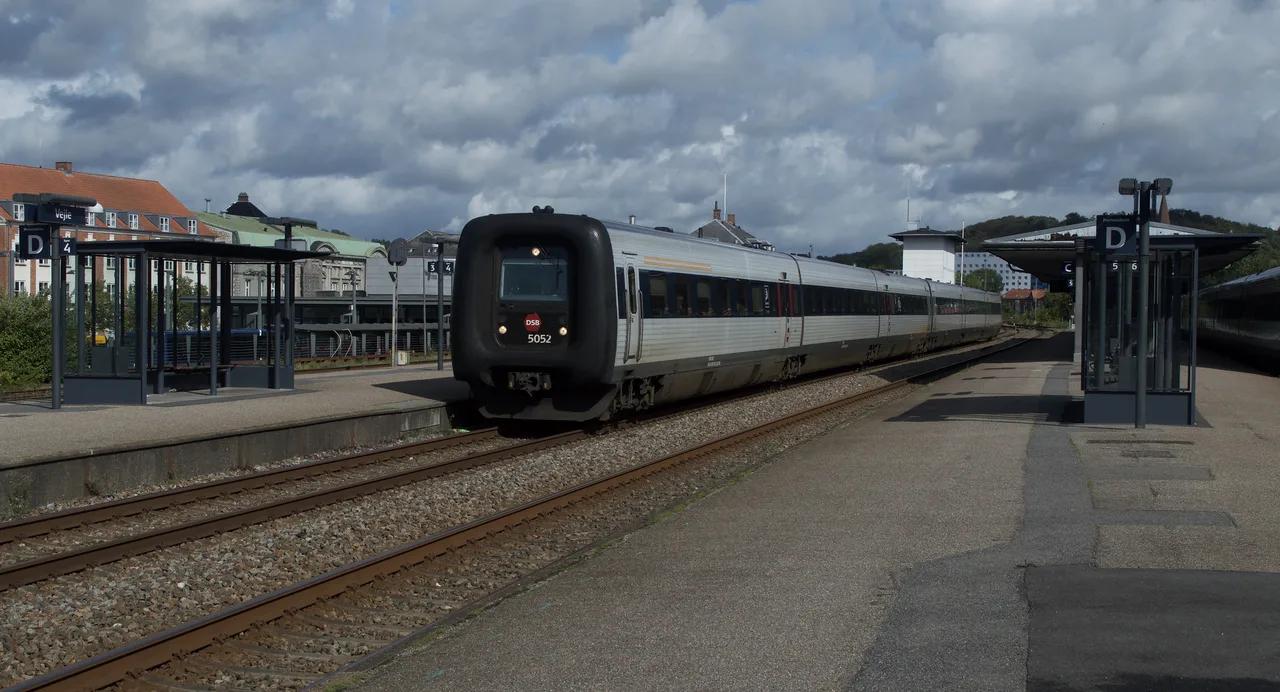
Last updated November 2026. Denmark by train is simple to plan once you know who runs what: DSB operates the intercity and regional network, Øresundståg crosses to Sweden, and the S-train serves Copenhagen. This guide covers the main routes, how to buy tickets, the first hour after landing, and the trips where a train is the wrong tool. It sits inside our Scandinavia rail planning hub.
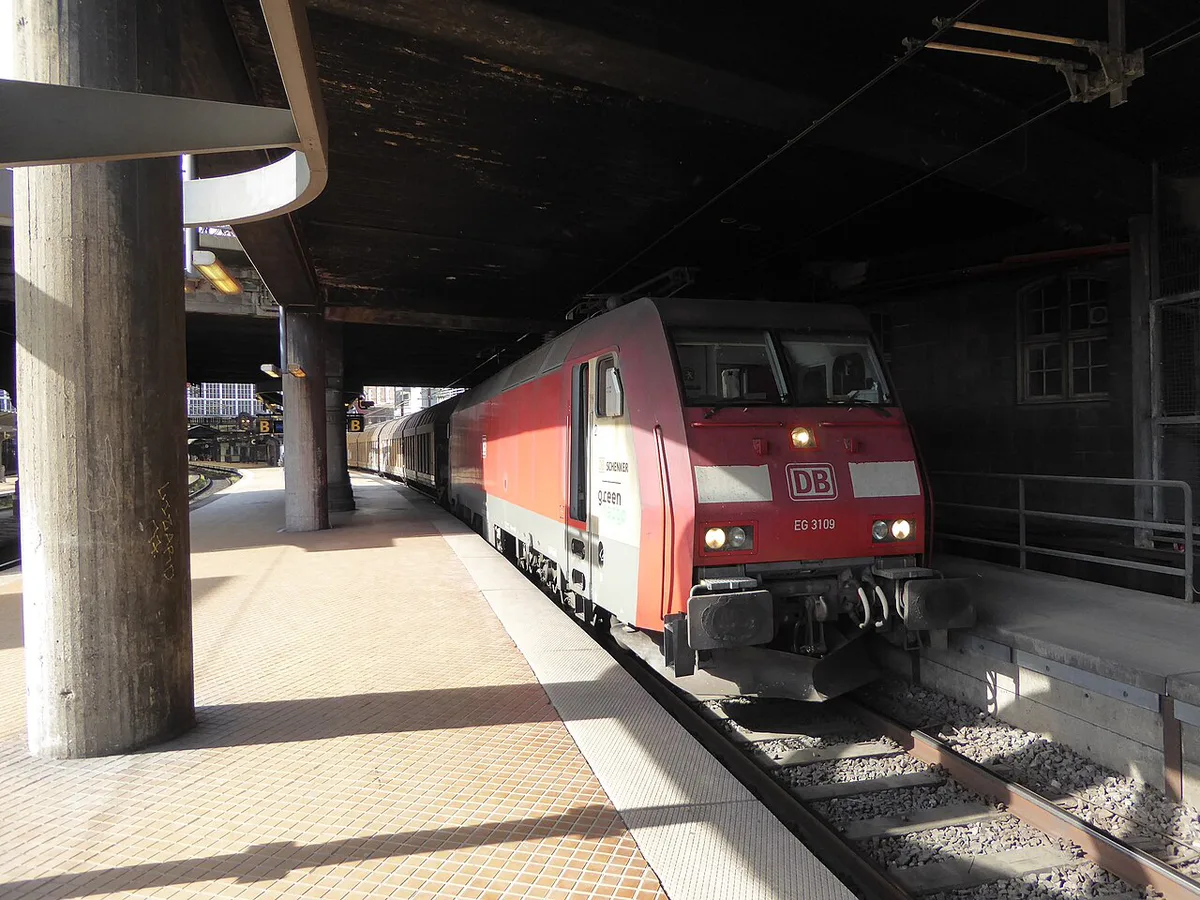
Featured image: philstephenrichards, CC BY-SA 4.0, via Flickr.
Denmark by Train: The Quick Answer
Trains work well for most visitors who stay on the main lines. Copenhagen is the hub, and the intercity and regional services run out from it to other Danish cities. Local rail is a separate layer, so one ticket does not always cover every operator. Trains are weaker for remote areas, tight island hops and trips with heavy luggage or bikes.
- Train is the default for Copenhagen day trips and for crossing the country on the main lines.
- Buy through the operator's app or website, and check which operator runs your leg.
- Plan the Sweden, Germany and Norway legs separately, because ticket systems change at the border.
Main Train Routes and Trade-Offs
Pick your transport by trip type rather than by city list. Timetables and journey times change, so read them off the operator's journey planner on the day you book. Banedanmark's infrastructure manager site is the place to look when engineering work or disruption affects a line.
| Trip type | Train fit | What to watch |
|---|---|---|
| Copenhagen day trips | Strong: regional trains leave from Copenhagen Central Station | Zone-based city fares apply near the capital |
| Cross-country on the main lines | Strong: intercity services run on the national network | Reservation rules differ by service |
| Islands and remote areas | Mixed: a train may not reach the final stop | Plan the last leg on local transport |
| International legs | Good to Sweden, Germany and Norway | Separate operators and ticket systems |
Tickets, Passes and How to Book
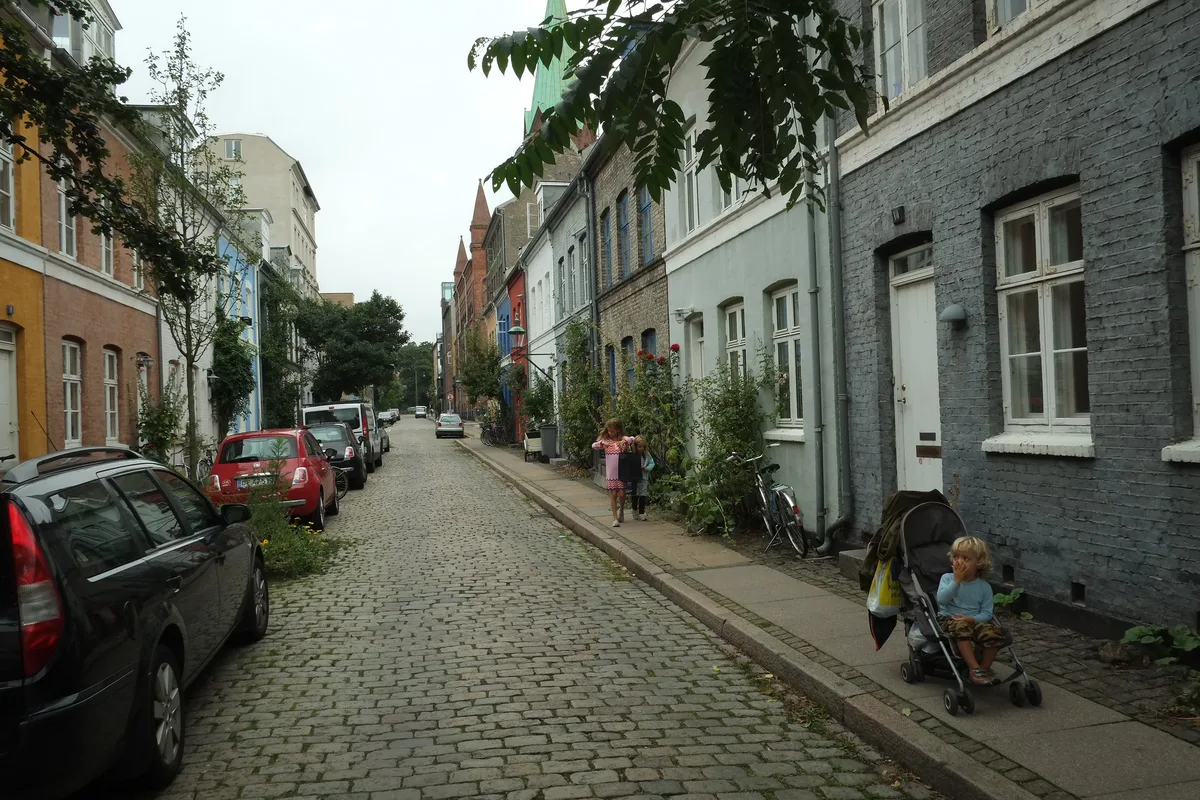
Start with DSB for intercity and regional journeys. Its app and website sell point-to-point tickets, and station machines and counters are the fallback. Advance fares are usually cheaper than flexible tickets, though they tie you to a specific departure. Fares change by season, so check current prices before you commit to a date. A rail pass only pays off when you ride many long legs in a short window. For a Copenhagen-based trip with a few day trips, point-to-point tickets are usually the simpler choice. If you do consider a pass, read the validity and reservation rules on the pass provider's official pages first. Trains to Sweden are run by Øresundståg, whose official site sells those tickets. Swedish long-distance trains use a separate system, covered in our guide to SJ tickets.
Passes only pay off on many long legs in a short window, and a 7 days plan with one onward leg may not reach that.
Rejsekort, the DOT App and Local Transport Tickets
DSB sells its own intercity and regional tickets. Local transport in Denmark runs on a separate layer with its own payment tools. Two of them matter for most visitors.
DOT app
The DOT (Din Offentlige Transport) app is Denmark's shared ticketing app. It sells tickets for local and regional public transport, so it is useful for Copenhagen's metro, S-trains and buses. Download it before you land, add a payment card, and buy the ticket before you board. Check in the app whether a given long-distance train sells through DSB instead.
Rejsekort
Rejsekort is the national travel card for buses, metro, S-trains and many regional trains. Visitors usually choose between two types:
- Rejsekort Anonymous: bought at stations and some shops, topped up with credit, and shareable between travellers. It suits a longer stay with many short rides.
- Rejsekort Flex or Pendler: tied to a named holder and aimed at residents, so it rarely fits a short visit.
You tap in and out at the reader on every ride. If you forget to check out, the system may charge a default fare. The card also carries a purchase price, so for a stay of two or three days single tickets in the DOT app are usually simpler. Current card prices and top-up rules are on the official Rejsekort site.
Which to choose
| Situation | Simplest option |
|---|---|
| Short Copenhagen stay | Zone tickets in the DOT app |
| Week-long stay with many local rides | Rejsekort Anonymous, if the numbers add up |
| One long intercity leg | DSB app or website |
| Crossing to Sweden | Øresundståg ticket, bought separately |
Whichever you pick, make sure the ticket covers every zone between your start and end points. Inspectors check tickets on trains and fines apply to anyone travelling without a valid one.
Copenhagen Arrival: Airport to City and Central Station
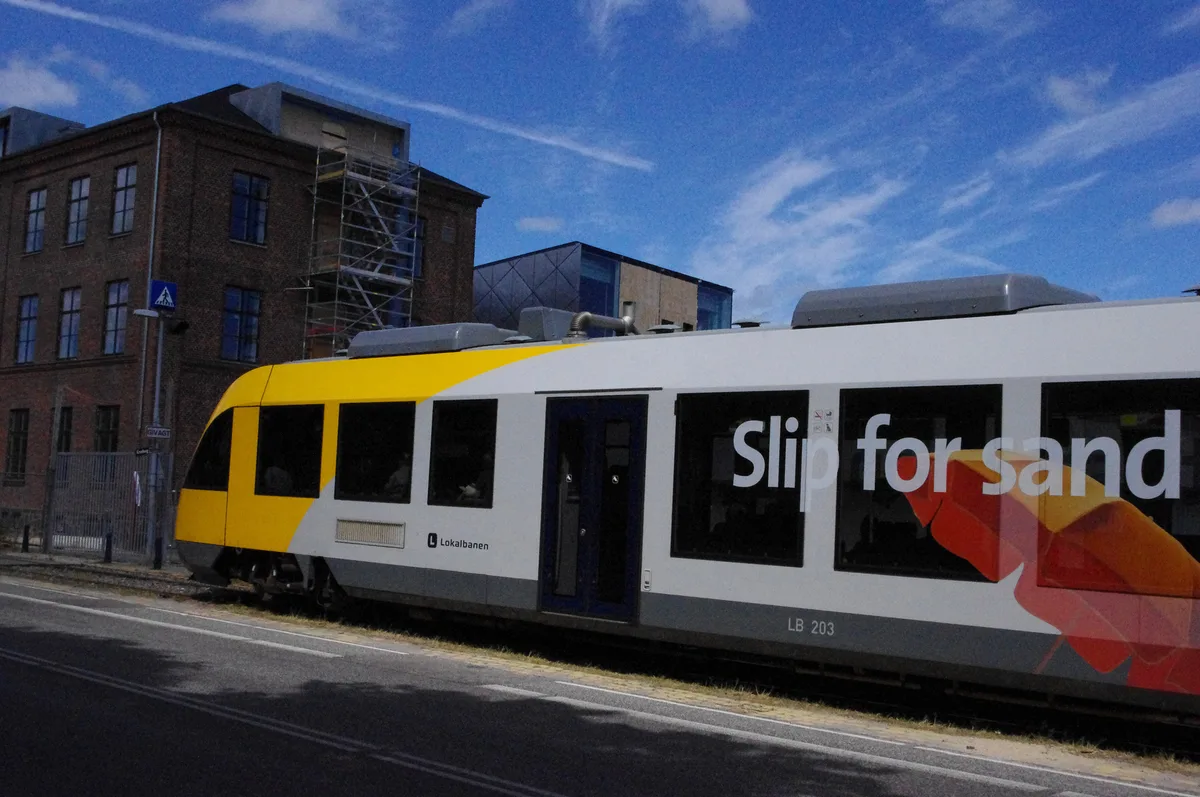
Treat the first hour as its own logistics block. Trains link Copenhagen Airport with the city, and visitors buy a ticket before boarding. City fares depend on zones, so choose your ticket by where your hotel sits, not by the airport's name alone. Check the current zone map and fare on the official transport pages. Most routes in this guide begin or pass through Copenhagen Central Station. Our Copenhagen Central Station guide covers the concourse and platform logic.
Crossing Borders: Sweden, Germany and Norway

Each border leg has its own operator and booking rules. Start with the shortest hop. The Copenhagen to Malmö train crosses the Øresund link on Øresundståg services. For Stockholm, read our Copenhagen to Stockholm route page. Heading south, our Copenhagen to Hamburg route page explains the German leg. For Norway, use our Copenhagen to Oslo route page. Once you are in Sweden, the Swedish rules apply, not the Danish ones. If you continue north from Stockholm, see the Stockholm to Gothenburg by Train: Times, Tickets & Tips page.
When Not to Take the Train
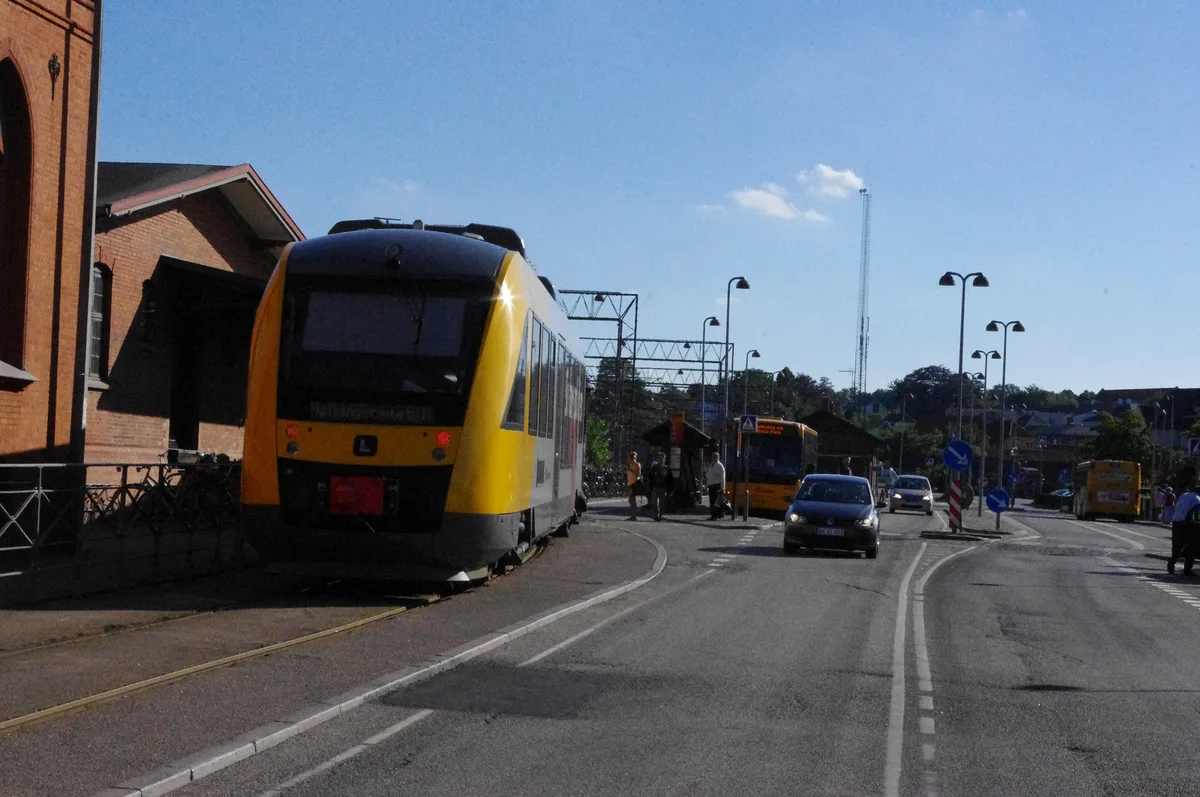
Skip the train when your stop is far from any station, when an island connection leaves little margin, or when you carry bikes or bulky luggage. Check the operator's bike and luggage rules before you book those trips. Mistakes are mostly about assumptions.
- Assuming one ticket covers every operator.
- Ignoring zone-based fares inside the Copenhagen area.
- Missing reservation rules on a service that requires them.
- Overbooking a short stay with long rail days.
- Buying a pass without adding up the individual fares first.
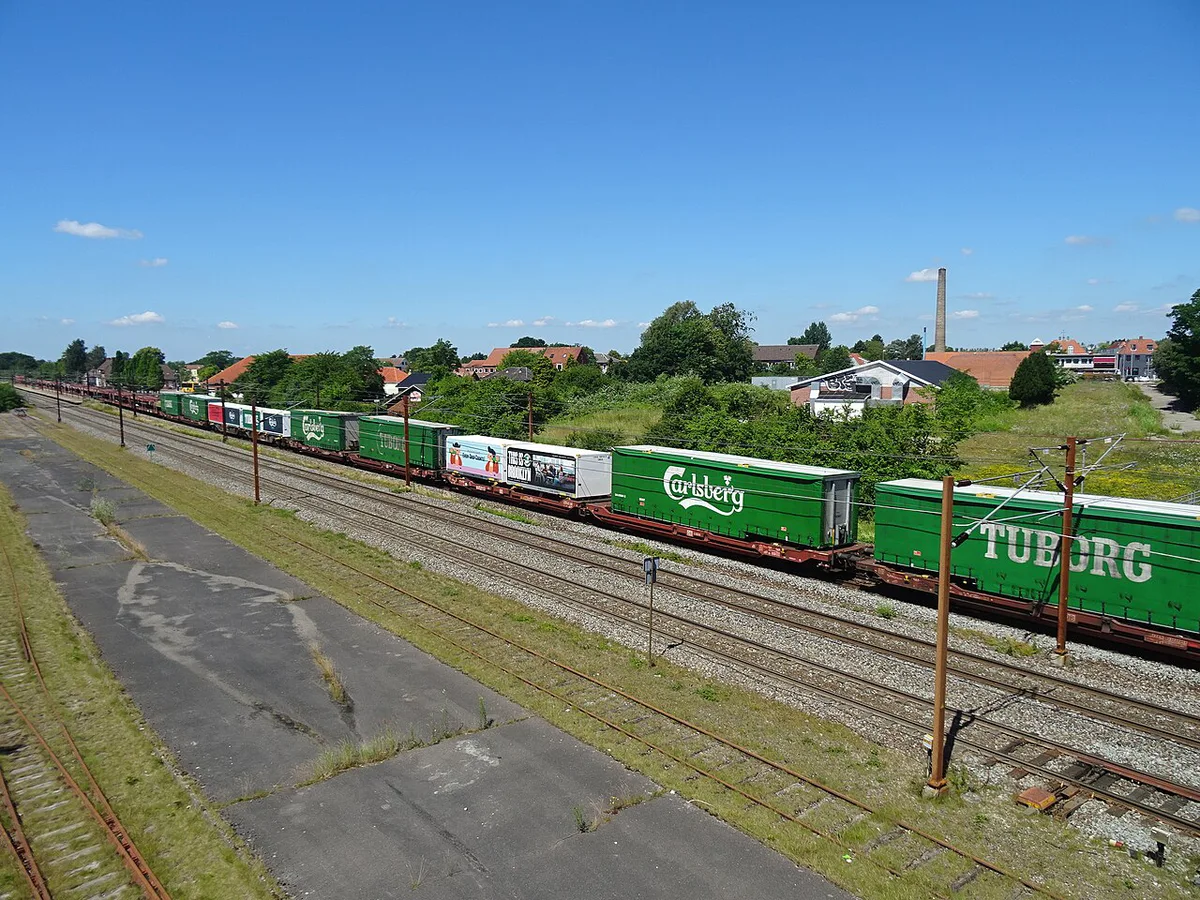
Sample 3-Day and 7-Day Train Plans
Keep plans short and anchored on Copenhagen. For 3 days, base yourself in Copenhagen, take one regional day trip, and add a Malmö day across the Øresund link. For 7 days, keep Copenhagen as the base for the first half. Then choose one onward leg: Hamburg to the south, Stockholm to the east, or Oslo to the north. Finland is the next stop in this series, so continue with Finland by Train: Routes, Tickets & Lapland Guide.
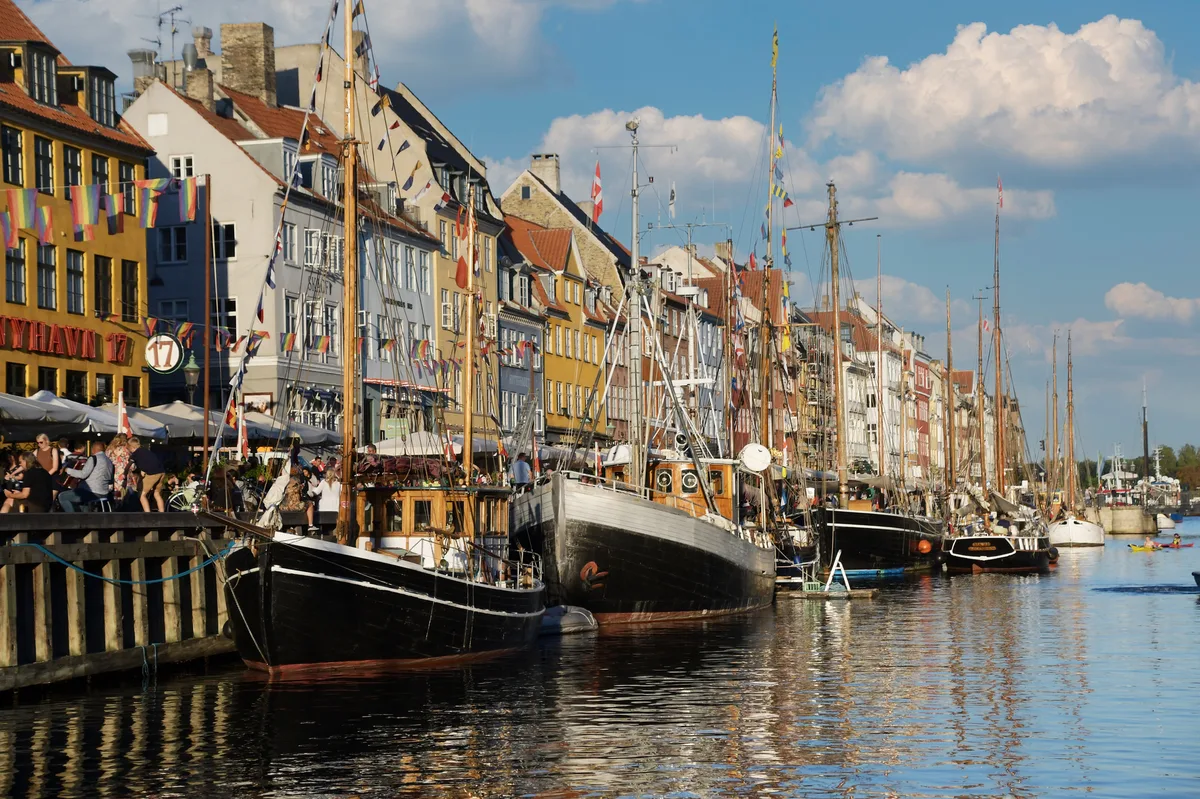
Frequently Asked Questions
How do tourists pay for public transport in Copenhagen?
Buy a ticket before you board, using the transport authority's app or a station machine. Fares depend on the zones you cross, so check the zone map for your hotel and your destination.
What is the best way to purchase train tickets?
Use the operator's app or website for the cheapest advance fares. Station machines and counters work if you prefer paying on the spot.
Rail notes for your next trip
Optional updates when our rail guides change.
Related guides

More guides
Picked from the same area