
Trains in Greece: 5 Routes, Tickets & Tips
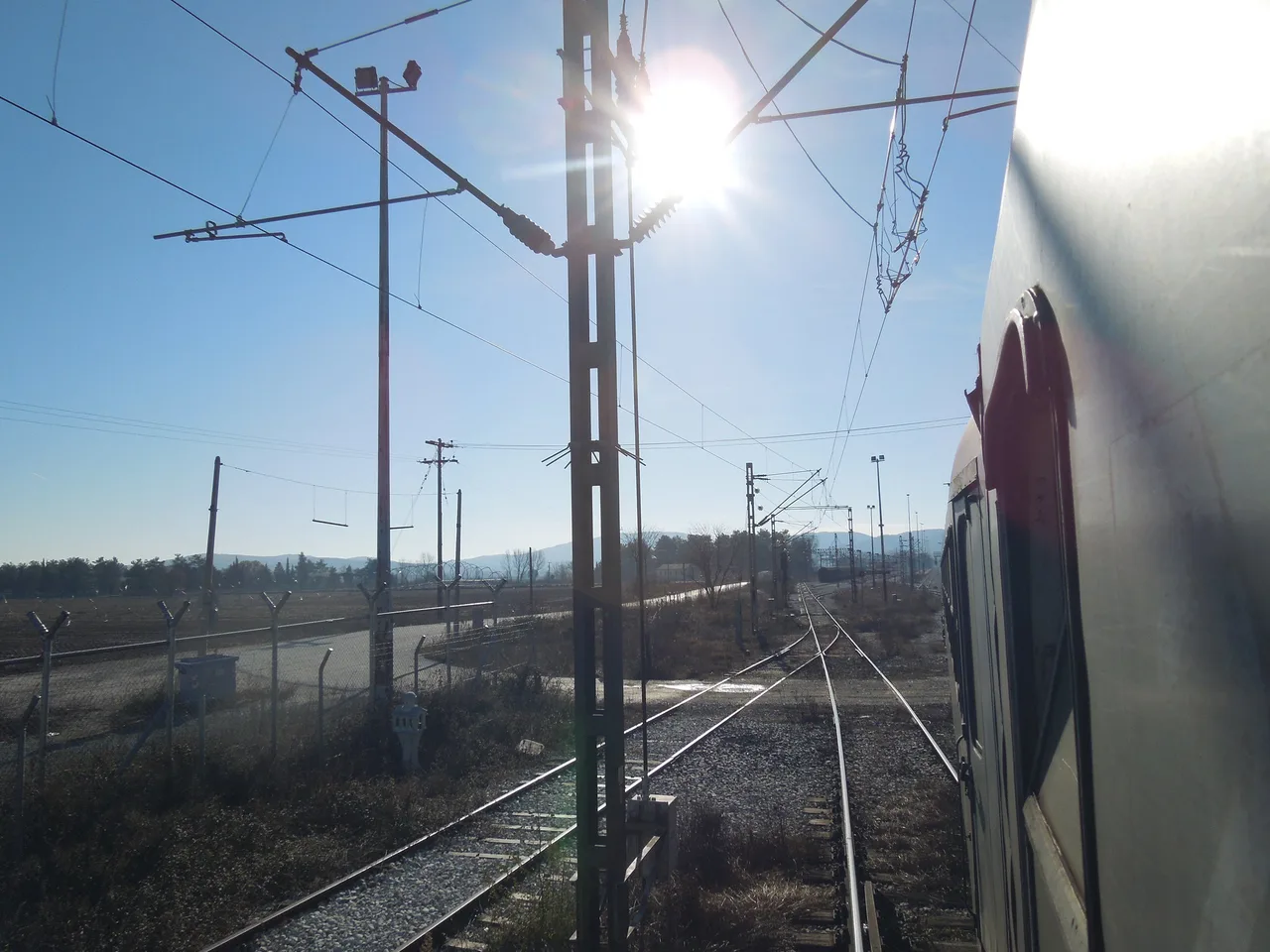
Last updated November 2026: trains in Greece run on a limited mainland network centred on Athens, with the main line going north to Thessaloniki. Islands have no rail service, so ferries and flights fill that gap. Start with the route guides below for Thessaloniki, Meteora and Corinth, then use the booking and pass sections to plan the ticket side.
Featured image: conticium, CC BY 2.0, via Flickr.
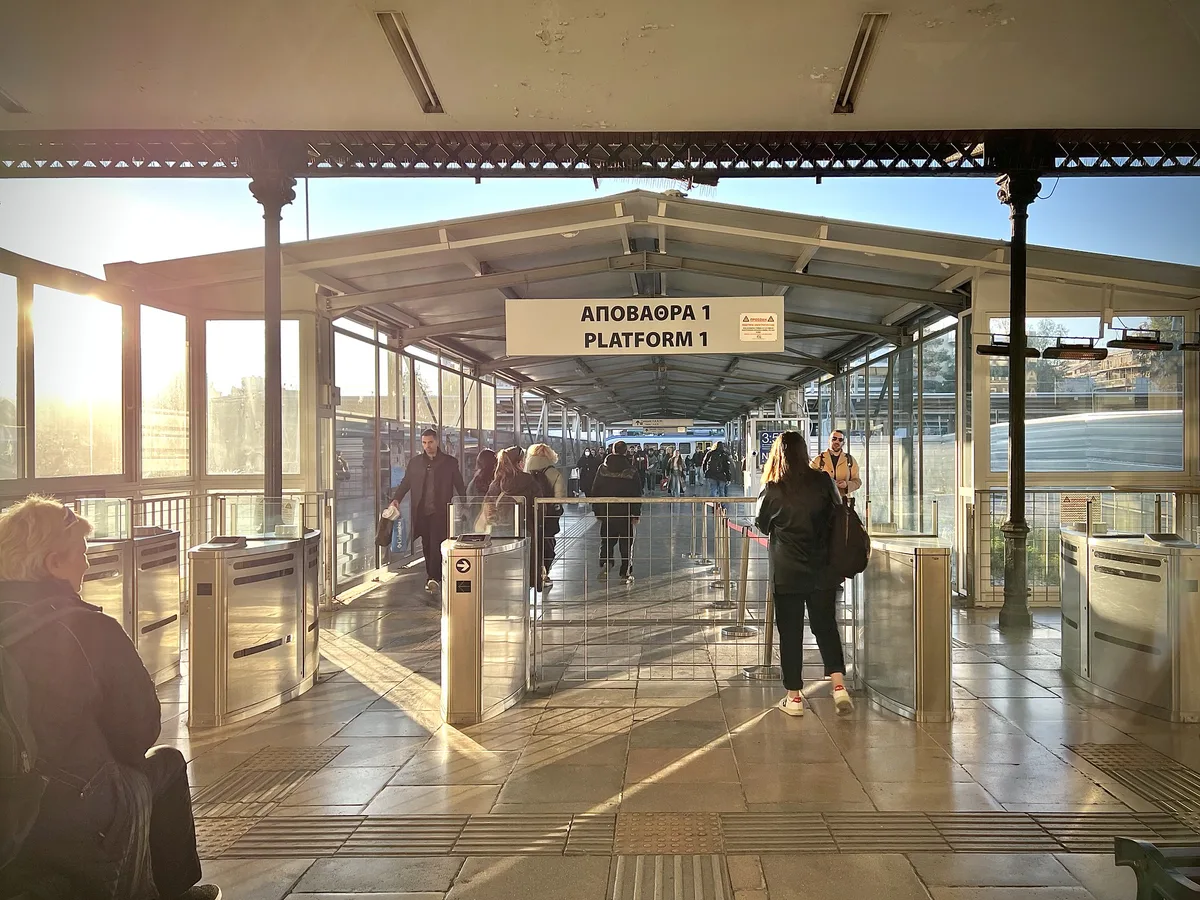
Quick answer: are trains in Greece worth it?
Rail is worth planning around on a few mainland corridors. Athens to Thessaloniki, Athens to Meteora and the Corinth side of the Peloponnese are the clearest cases. Suburban and airport links around Athens also run by train. Many rural areas and every island need a coach, a ferry or a flight instead. Choose the train when your route sits on a rail line and you want to arrive in a city centre. Choose a KTEL coach when no train runs or the timetable does not fit.
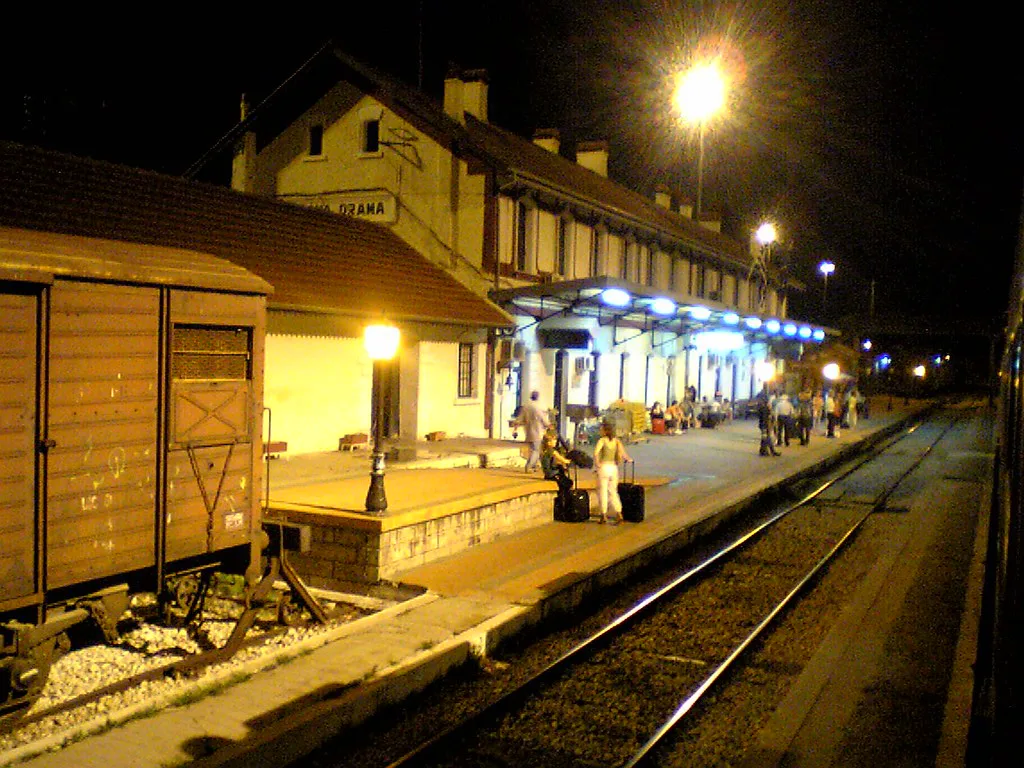
Greece's rail network at a glance
Hellenic Train runs the intercity and regional services. OSE, the national railway organisation, owns the infrastructure they run on, and its official site carries network notices. Proastiakos suburban trains cover the Athens area. Our Hellenic Train operator guide explains the services in more detail. Most useful rail travel in the country falls into four groups.
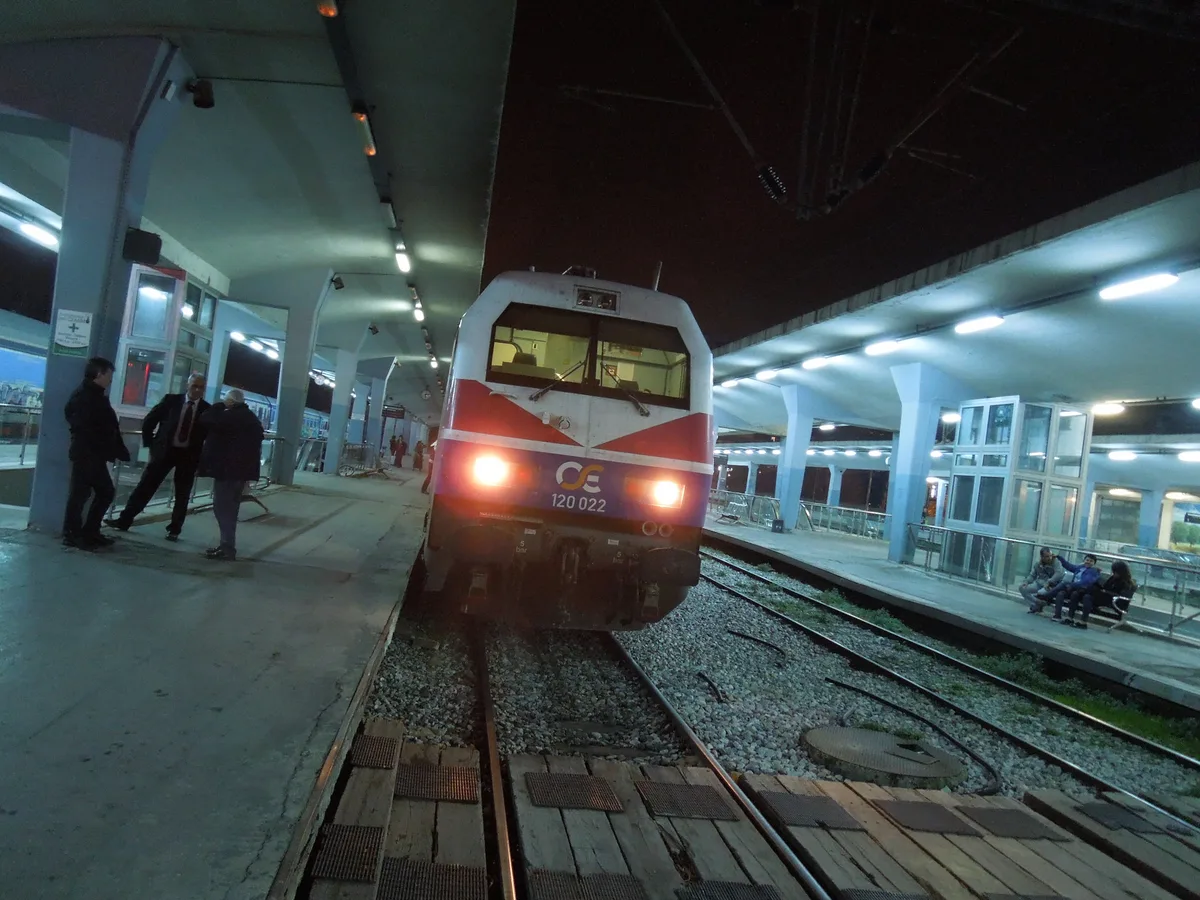
- Athens north
- The main line toward Thessaloniki, served from Larissa station in Athens.
- Meteora branch
- The line toward Kalambaka, the rail stop for the Meteora monasteries.
- Peloponnese side
- Corinth marks the start of the Peloponnese network, which is limited beyond that point.
- Athens area
- Proastiakos suburban trains, including the airport link.
5 Main Routes for Trains in Greece From Athens
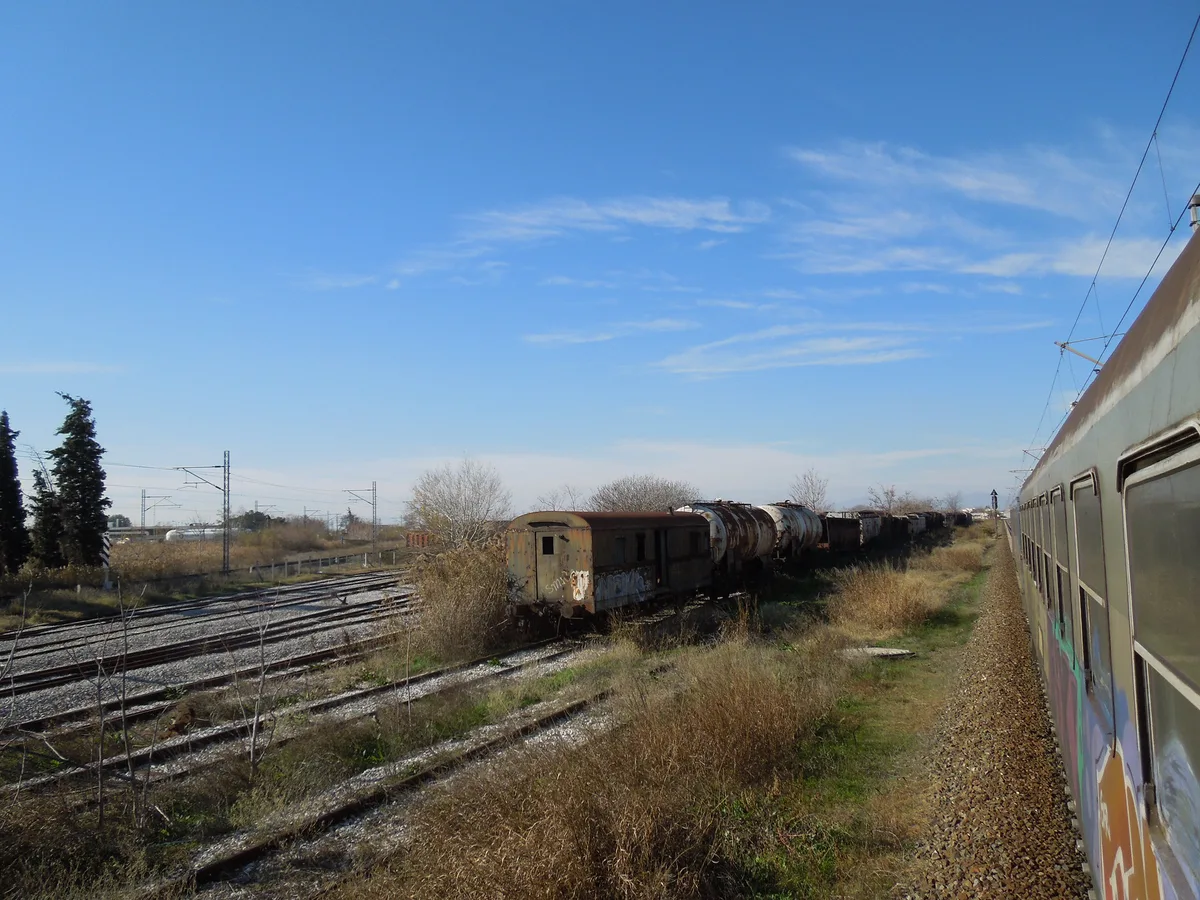
Each route below carries a one-line best-for label and a note on who should skip it. Routes and operator details were checked in November 2026, and the linked guides go deeper on each one.
1. Athens to Thessaloniki
Best for first-timers who want a city-centre-to-city-centre trip. Athens to Thessaloniki is the main northbound line and the clearest case for choosing rail over the road. Northbound services leave from Larissa station in Athens, so allow time to reach it before departure.
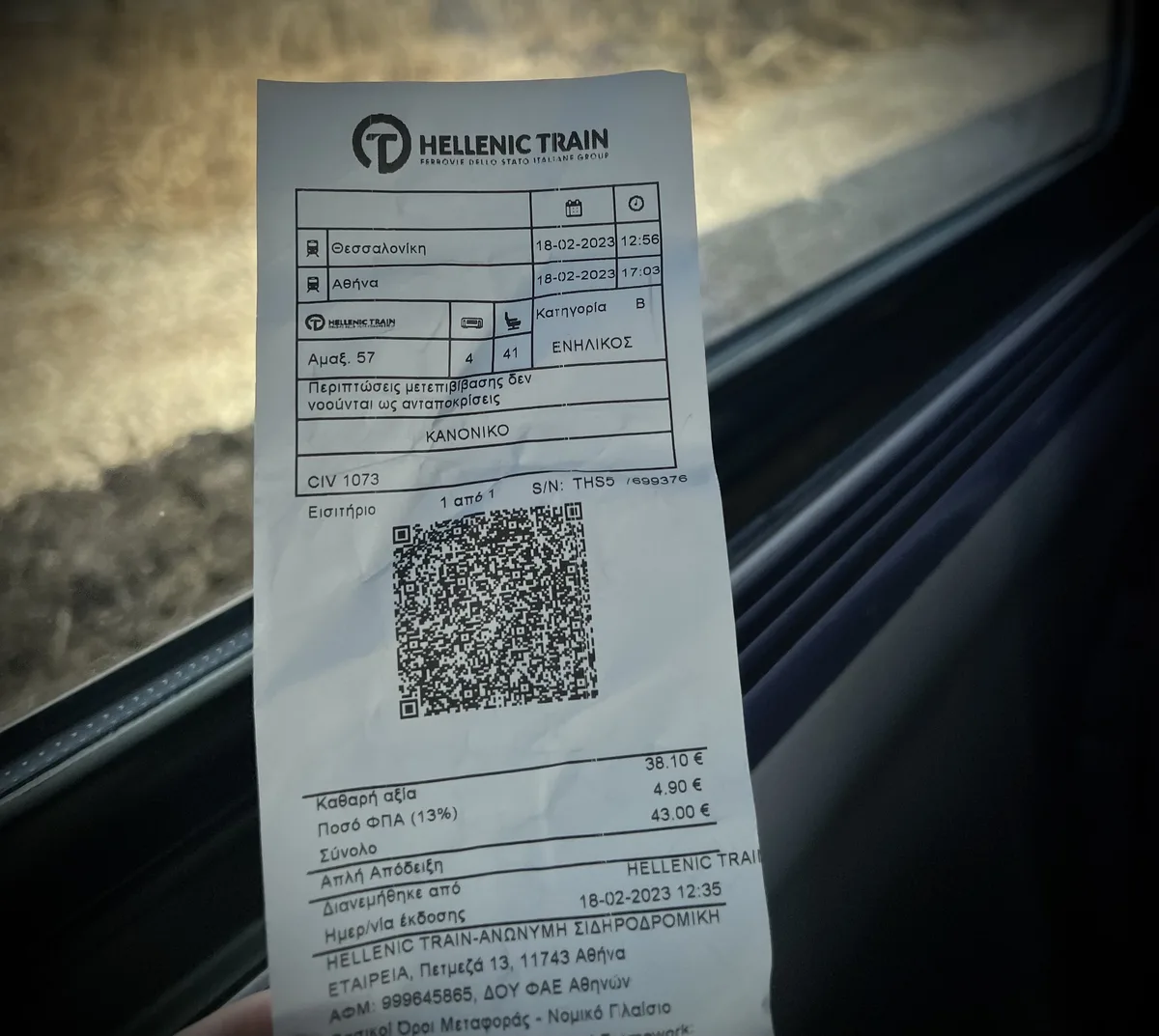
Our route guide for Athens to Thessaloniki covers the journey step by step. Skip it if a flight fits your dates better, or if you want a stop the main line does not serve.
2. Athens to Meteora (Kalambaka)
Best for travelers who want the monasteries without driving. Trains reach Kalambaka, the town below the rock-top monasteries of Meteora. Our Athens to Meteora rail guide sets out the connection.
National tourism information on the area sits on the Visit Greece site. Skip it for a single-day round trip unless you have checked that the timetable allows a return.
3. Athens to Corinth
Best for short trips and as a gateway to the Peloponnese. Corinth sits at the start of the Peloponnese side of the network, so it works as a first stop rather than a final destination.

Our Corinth train guide explains how to get there. Skip it if you plan to continue deep into the Peloponnese by rail, because coverage beyond Corinth is limited.
4. Athens to Patras and the wider Peloponnese
Best for onward connections toward Patras and its ferry port. Rail coverage in the Peloponnese has changed over the years, and some stretches have used replacement buses. Look up the current status of each line and any bus replacement on the official operator and OSE pages before you commit.
If your plan includes a ferry from Patras, leave a generous buffer between train arrival and sailing. Skip it if your itinerary depends on one fixed connection and you cannot build in slack.

5. Athens airport and suburban Proastiakos links
Best for arrival days and short hops inside the Athens area. Proastiakos suburban trains serve the Athens area, and an airport link is part of that system.
Fare products and ticket machines are listed by Hellenic Train, and city transport information sits on the OASA site. Skip it if your arrival or departure falls at an hour you have not matched against the timetable.
Train, coach or flight: choosing how to travel
Compare the three options on access and risk, not only on the ticket price. Train stations usually sit in or near city centres, while airports sit outside them. Coaches fill the gaps where rail does not reach.

| Option | Best for | Access | Main risk |
|---|---|---|---|
| Train | Routes on a rail corridor, such as Athens to Thessaloniki | Stations such as Larissa in Athens; allow time to reach them | Engineering works, strikes and delays |
| KTEL coach | Places with no rail service, or timetables that do not fit | Coach terminals; check which one serves your route | Road traffic and weather |
| Flight | Longest hops where time matters most | Airports sit outside city centres | Transfers, check-in time and strikes |
Tickets, booking and rail passes

Book through Hellenic Train's official booking page, and read the Hellenic Train booking notes for how the services are organised. Seat reservations, changes, refunds and youth or senior discounts are set by the operator and can change. Read those rules on the booking page before paying for a fixed-date journey. For passes, Eurail's Greece page lists current coverage. Pass reservation fees and one-country pass options are best read on the official Eurail and InterRail pages.
- Pass or point-to-point tickets?
- A pass tends to pay off only when you take several long journeys in a short period.
- List every rail leg you plan, then price each one on the operator's booking page.
- Add the total and compare it with the pass price plus any reservation fees.
- If most legs are short or you will use coaches and ferries, point-to-point tickets usually win.
Where trains do not go and what to do instead

Greek islands have no rail service, so you need a ferry or a flight to reach them. Large parts of the Peloponnese and many rural areas also lack trains, and the network there can change. KTEL coaches cover most of those gaps. For Peloponnese plans, start from Corinth and check the current line status and replacement buses on the OSE and Hellenic Train pages. Build your ferry bookings around the rail arrival, not the other way round.
Planning mistakes to avoid
Most problems on Greek rail come from assuming more than the network offers.
- Assuming a train goes everywhere
- Rail covers a few mainland corridors, and one may not run all day.
- Skipping a buffer
- Leave slack for delays and strike days, especially before a ferry or flight.
- Arriving at the wrong Athens station
- Northbound trains use Larissa station, so read our Larissa station guide before you set off.
- Booking onward ferries too tightly
- Give yourself generous time between train arrival and sailing.
- Ignoring engineering works
- Check notices on the operator and OSE sites before a fixed-date journey.
Frequently Asked Questions
Is it cheaper to fly or go by train?
Fares for both change with date and booking time, so no single answer holds. Compare the operator's fare for your date with a flight total that includes airport transfers and bags. Stations usually sit closer to city centres, which can shift the balance on routes like Athens to Thessaloniki.
How do you pay for trains in Athens?
Intercity tickets are sold through Hellenic Train's official booking page. For Athens suburban trains and city transport, payment options are listed by Hellenic Train and by OASA. Look at both before your first ride, since fare products change.
Explore More Guides
Keep planning your trip with these guides.
Guides
Rail notes for your next trip
Optional updates when our rail guides change.