
Prague to Budapest Train: Times, Tickets & Tips
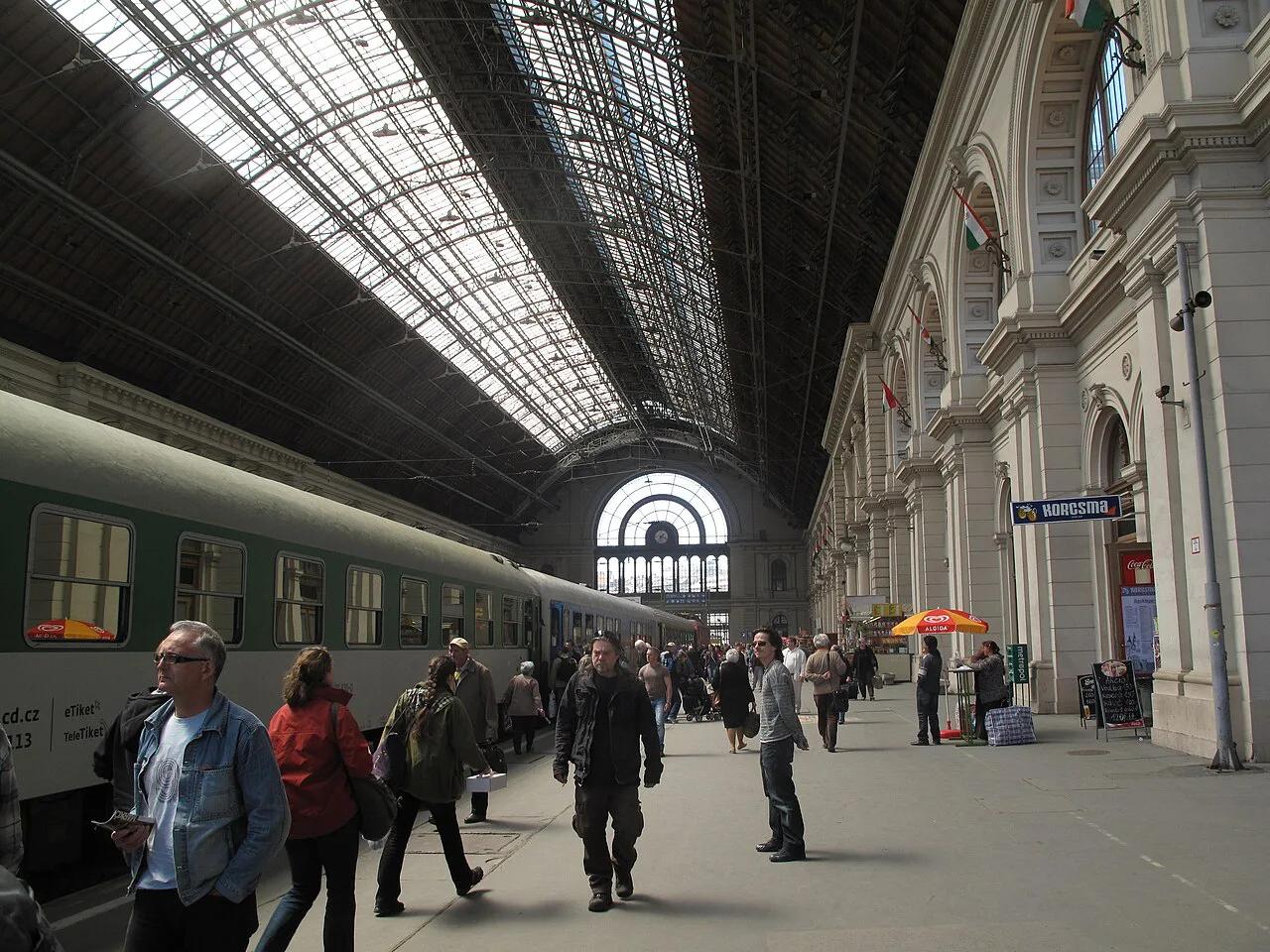
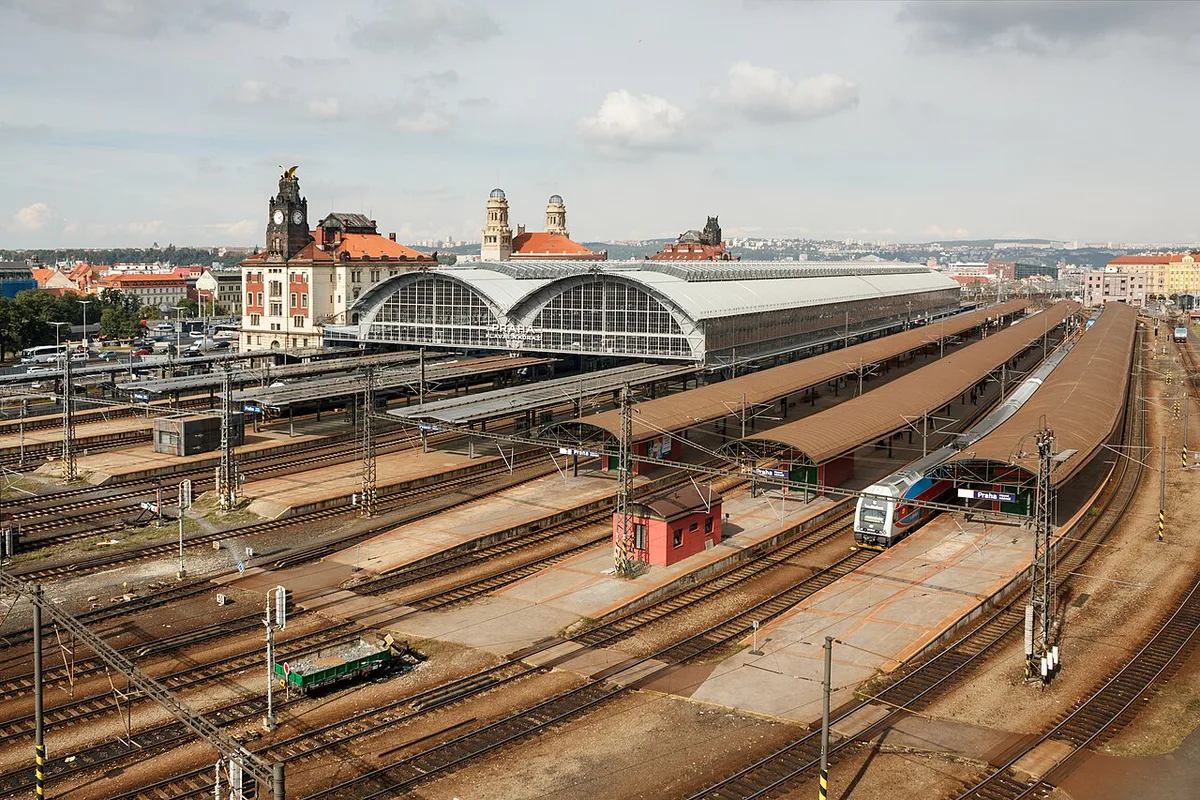
Last updated November 2026. The Prague to Budapest train runs as a direct, single-seat ride from Praha hlavní nádraží to Budapest-Keleti on the Prague–Vienna–Budapest corridor. Journey time is typically 6.5 to 7.5 hours, so this guide covers operators, ticket types, stations, and how the train compares with a bus or flight. For the wider network, start with our Czech Republic rail guide.
Featured image: Dezidor, CC BY 3.0, via Wikimedia Commons.
Prague to Budapest by Train: The Quick Answer
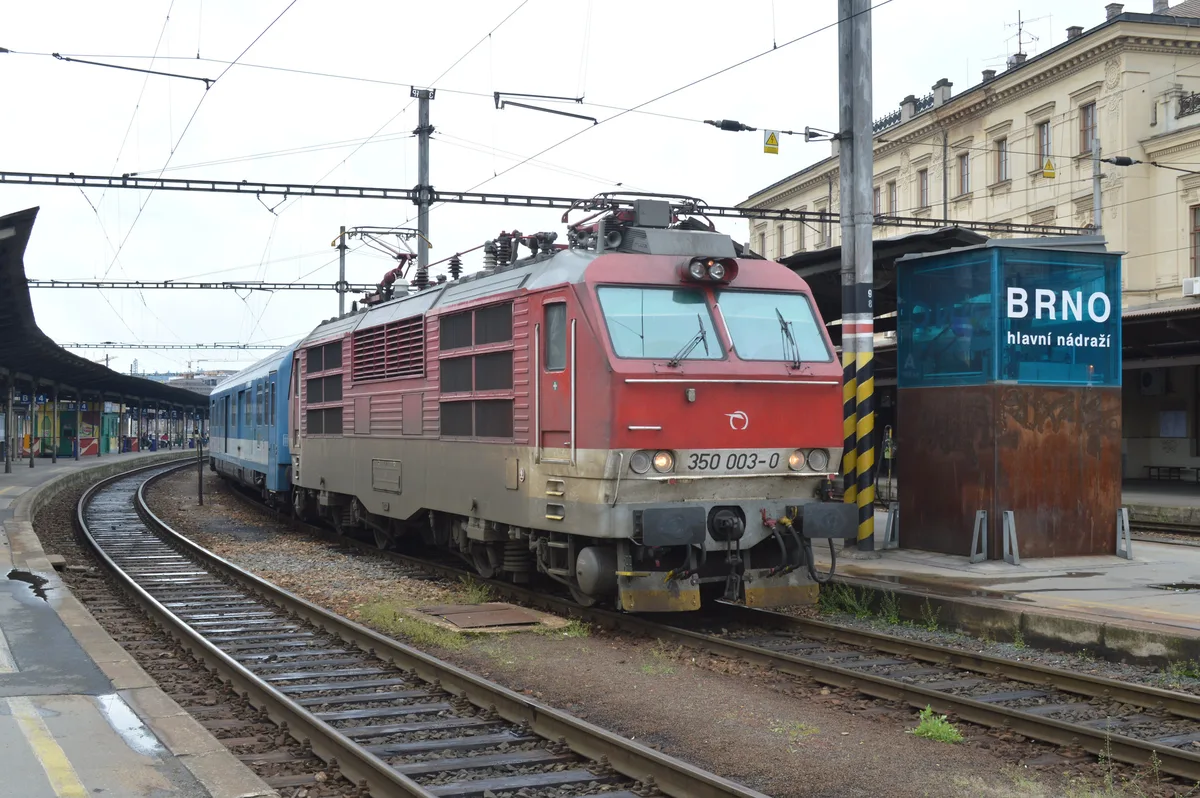
Yes, a direct train links Prague and Budapest without a change. It leaves Praha hlavní nádraží, calls at Brno and Vienna or Bratislava depending on the service, and ends at Budapest-Keleti. Typical journey time is 6.5 to 7.5 hours. Frequency and exact duration change with the timetable, so look up your date on the České dráhy international connections page before you plan around it. Hungarian legs are run by MÁV, whose English site lists Budapest-side services. Prices and timetables checked November 2026.
Train Operators on the Prague to Budapest Route
České dráhy (ČD) is the main national carrier and runs international services in partnership with ÖBB and MÁV. Private operators RegioJet and Leo Express also sell tickets on Czech routes, but their coverage changes between timetable periods. Look up your date on each operator's own site before you assume a service exists.
| Operator | Service type | Ticket flexibility | Booking channel |
|---|---|---|---|
| České dráhy (with ÖBB/MÁV) | Direct international train | Advance and flexible fares | cd.cz, station counters |
| RegioJet | Private operator, Czech network | Operator's own fare rules | regiojet.com, app |
| Leo Express | Private operator, Czech network | Operator's own fare rules | leoexpress.com |
- Read ČD fare rules on our České dráhy ticket guide.
- See how private carriers differ on our RegioJet overview.
- Compare routes and fares on our Leo Express overview.
Which Ticket to Buy: Saver, Flexible, and Class
Match the fare to how certain your plans are. A saver or advance fare is usually cheapest, but it normally limits changes and refunds. A flexible fare costs more and lets you switch trains if a flight lands late or plans shift. Choose first class for extra space on a long day, and second class when budget matters most. Always read the refund terms on the operator's own page before paying. Buying direct from the operator, for example on the RegioJet site, avoids a reseller's service fee. Reseller sites may add convenience, such as e-ticket delivery, but they are not the fare owner. Fares are shown in Czech koruna (CZK) or Hungarian forint (HUF) on operator sites. Fares vary by season and booking date, so look up your date on the operator's site.
Prague and Budapest Stations: Where You Depart and Arrive
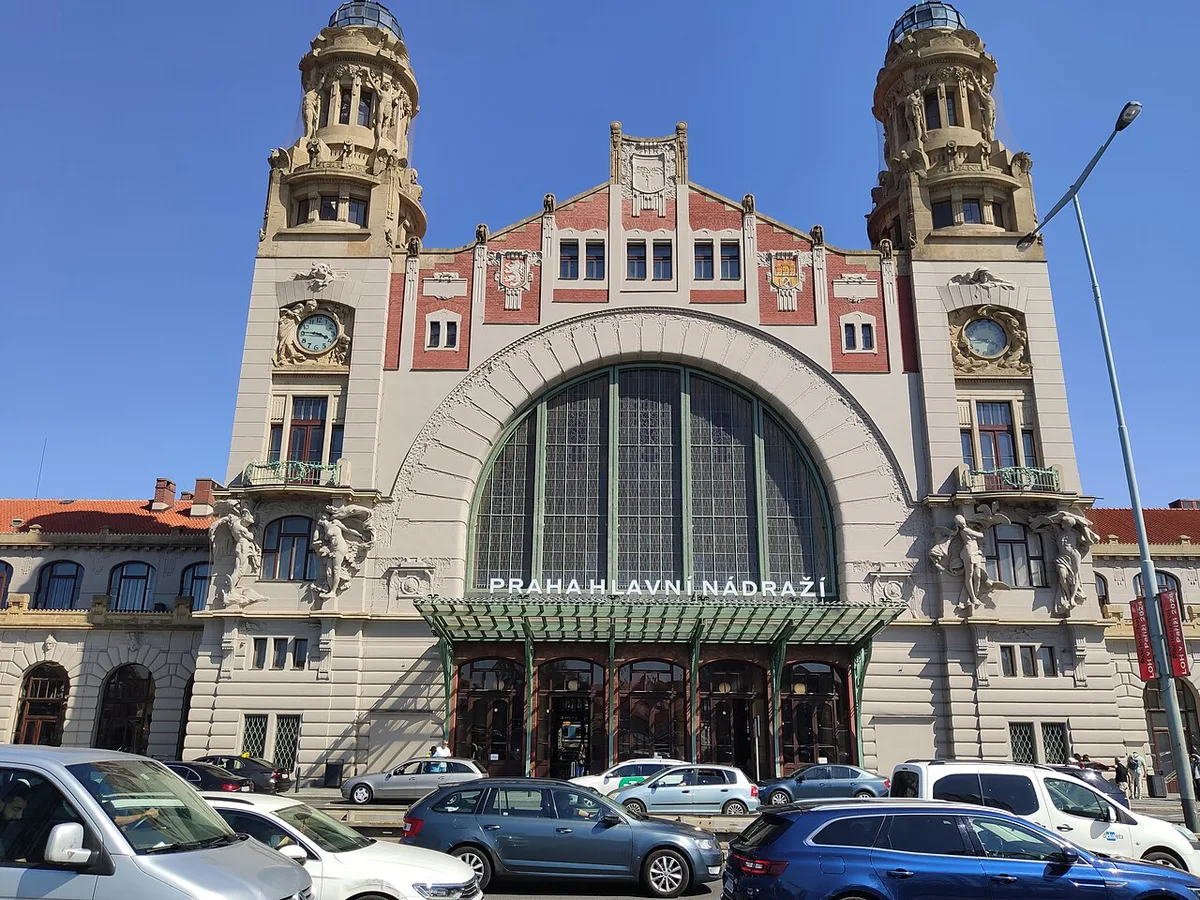
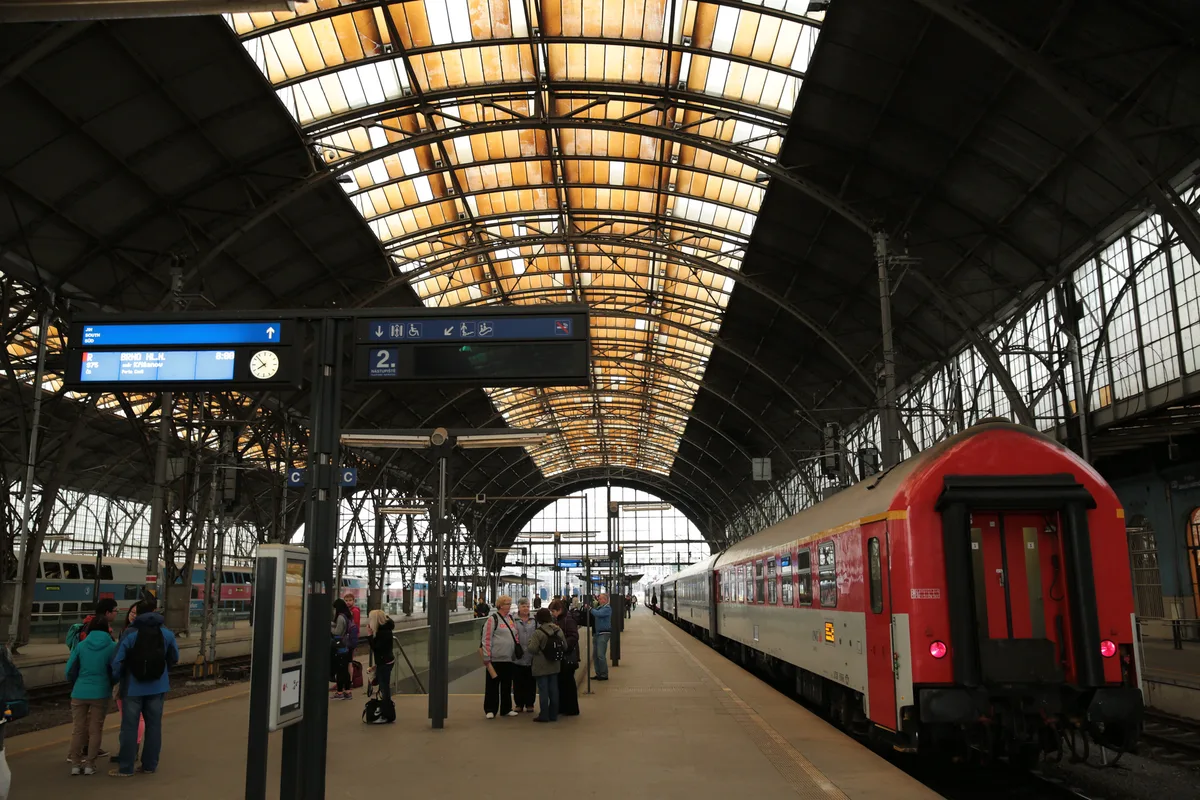
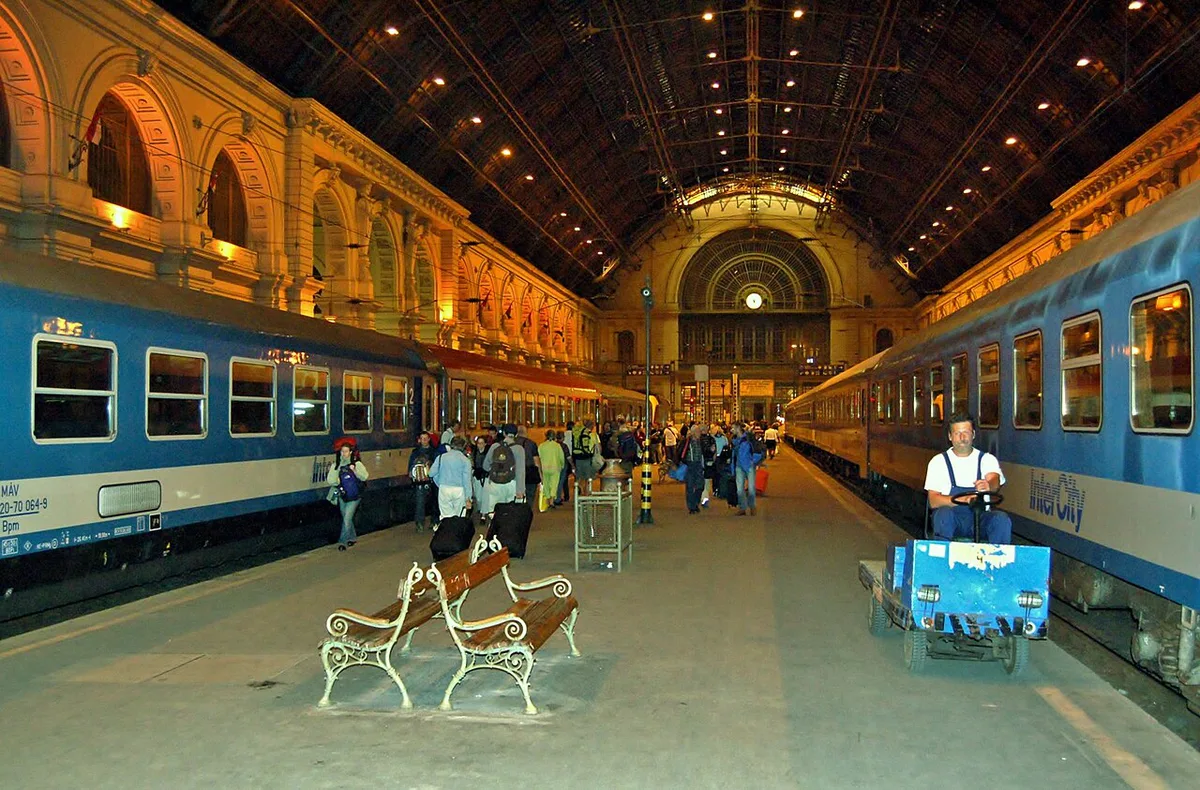
Your train leaves from Praha hlavní nádraží, the city's main station. Arrive early to find the platform, since international trains are posted on the departure boards. Our Prague main station guide covers the layout and facilities. In Budapest, long-distance trains from the north usually arrive at Keleti, but check your ticket because Nyugati handles other services. Keleti connects to the city metro and tram network, which makes onward travel simple. Budapest's local transport is run separately from MÁV, so buy a local ticket on arrival.
Train vs Bus vs Flight
Each mode trades time, cost, and city access differently. Check current prices on each operator's site for your date.
- Train: city centre to city centre, no airport transfer, comfortable for luggage, and roughly 6.5 to 7.5 hours.
- Bus: often the lowest fare, with a similar or longer journey, and a stop that may be outside the centre.
- Flight: shortest time in the air, but airport transfers and security add time at both ends.
- Skip the train if you must arrive within a few hours or need the cheapest possible seat.
Planning Tips and Mistakes to Avoid
Book early for weekends and holidays, when popular services sell out. Reserve a seat if your fare does not include one. Carry your passport or national ID, because trains cross borders between Czech, Austrian or Slovak, and Hungarian territory. Break the day with a stop in Brno using our Prague to Brno route. A short hop east is covered in our Prague to Bratislava route. Vienna also works as a break, since the corridor passes through it.
At 6.5 to 7.5 hours, the trip is long, so a stop in Brno, which the train already calls at, can split the day.
- Booking the wrong direction: check that your ticket says Prague to Budapest.
- Confusing Budapest stations: Keleti and Nyugati are different terminals.
- Tight transfers: allow a buffer if you change trains on a stopover.
- Non-refundable fares: avoid them when your plans are uncertain.
- Other routes from Prague: try the Prague to Krakow by Train: Routes, Tickets & Best Option or the Prague to Dresden by Train: Times, Tickets, Station.
Where to Break the Journey: Brno, Vienna or Bratislava
A single 6.5 to 7.5 hour ride is easy to do in one go, but the corridor passes three cities worth a few hours. Which ones your train serves depends on the timetable, so check the stops on your date before planning around one.
Brno: the easiest first stop
Brno is the Czech Republic's second city and sits roughly midway between Prague and the Austrian border. Its main station is a short walk or tram ride from the centre. Within a few hours you can see Špilberk Castle and the old town, or book ahead for Villa Tugendhat, a UNESCO-listed modernist house that usually needs a reserved slot.
Vienna: the best stop for a long layover
If your service runs via Vienna, the Austrian capital is a natural overnight. Arriving there from the north is covered in reverse on our Vienna to Prague train guide, which helps you judge station facilities and timings.
Bratislava: a short, walkable stop
On services that run through Slovakia, Bratislava's old town is a short walk or local transit ride from the main station, which suits a half-day break. For the onward leg to Hungary, see our Budapest to Bratislava train guide.
How to ticket a stopover
- Through tickets: many advance fares are valid only on the named train, so leaving early can void the ticket. Read the fare conditions first.
- Split tickets: buying Prague to Brno and then Brno to Budapest as separate tickets gives you freedom to choose the second train. It can cost more than one through fare, so compare both on the operator's site.
- Luggage: station lockers are common in larger stations, but availability and prices vary. Check before you rely on one.
- Last train: confirm the final departure to Budapest on your date, and leave a buffer so a late arrival does not strand you.
Frequently Asked Questions
How do I travel from Budapest to Prague by train?
Take the same corridor in reverse, from Budapest-Keleti to Praha hlavní nádraží. Search your date on the České dráhy site and compare fares there.
How do I go to Budapest from Prague?
Most travelers take the direct train from Praha hlavní nádraží to Budapest-Keleti, which takes roughly 6.5 to 7.5 hours. Buses and flights also run, so compare time and fare for your date.
Rail notes for your next trip
Optional updates when our rail guides change.
Related guides

More guides
Picked from the same area