
Paris to Bruges by Train: Routes, Times & Tickets
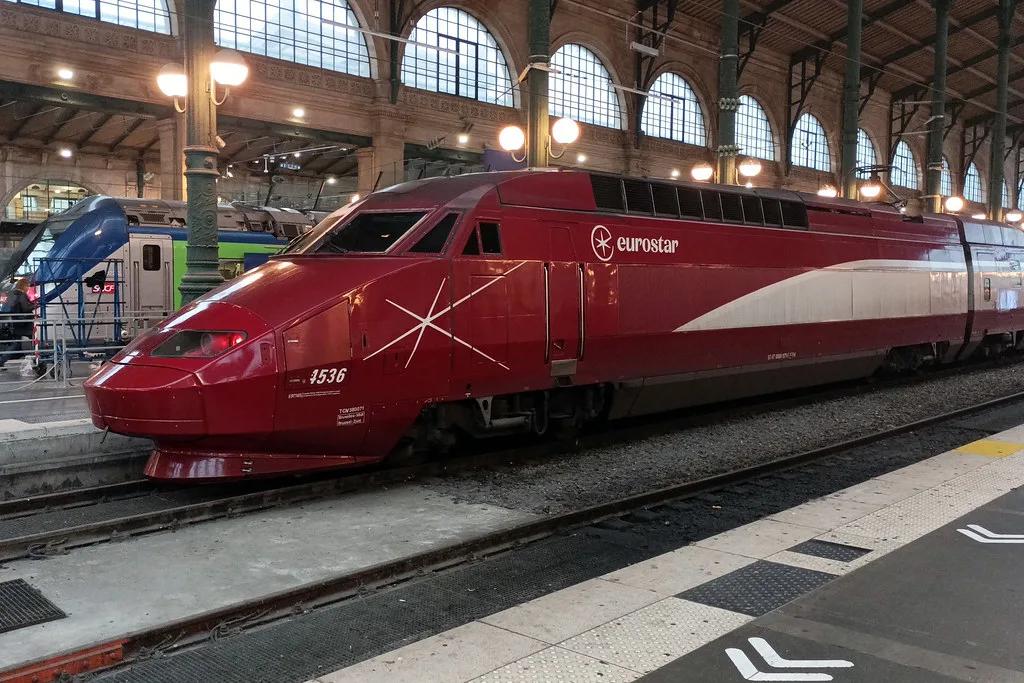
Last updated November 2026: the paris to bruges train trip has no single direct service for most travelers. Plan on high-speed rail from Paris Nord to Brussels-Midi, then a Belgian train on to Brugge station. Total time runs about 2h30 with one change, and our Belgium rail hub covers the wider network.
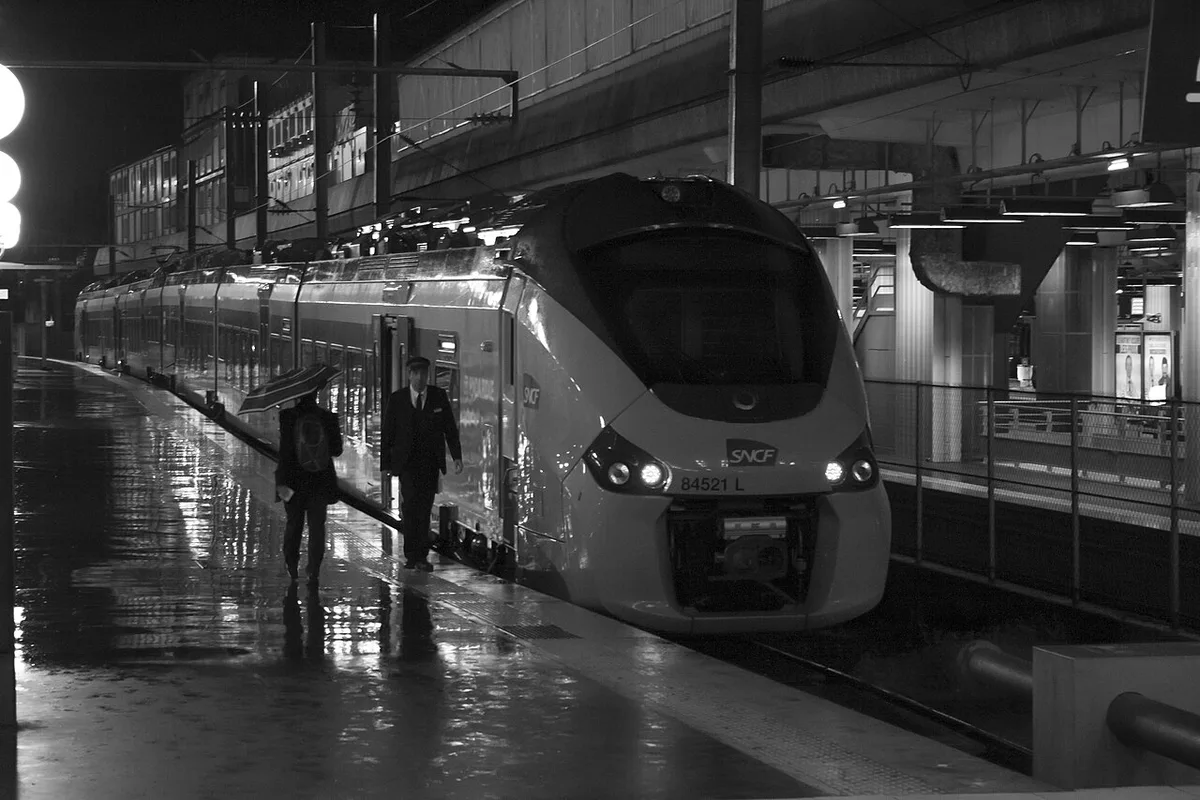
Featured image: airlines470, CC BY-SA 2.0, via Flickr.
Paris to Bruges train: the short answer
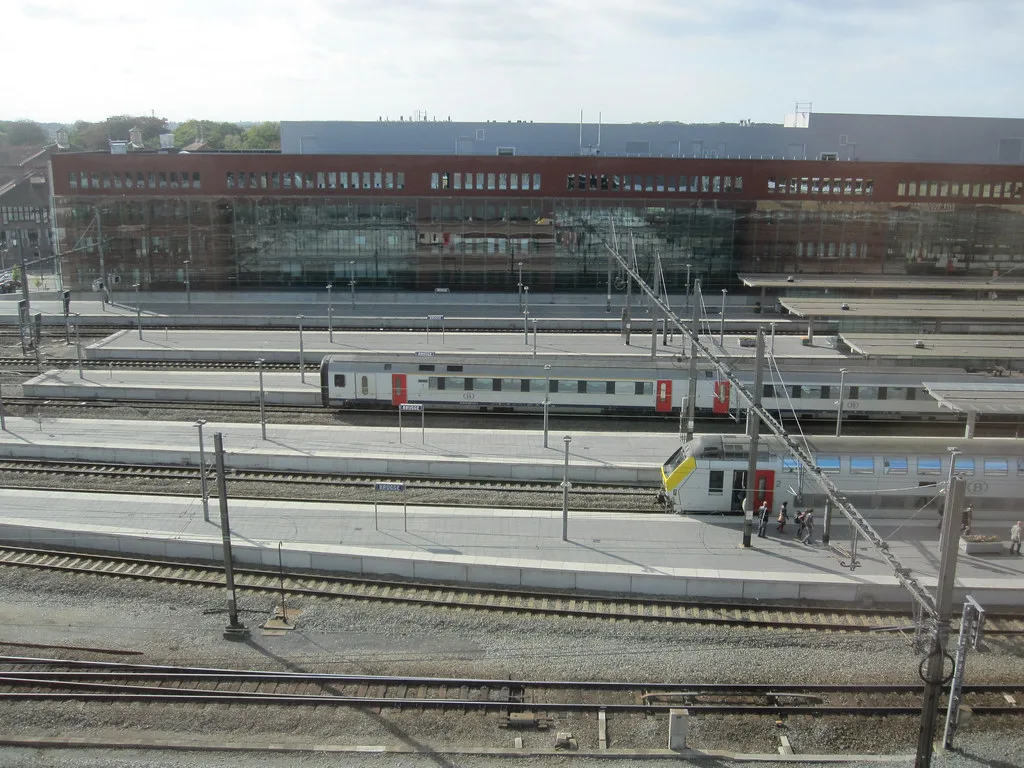
Most travelers leave from Paris Nord, change once at Brussels-Midi and arrive at Brugge station. Journey time is roughly 2h30 with one change and about 3 hours with two, over a distance of about 298 km. Those figures come from published route guides, so check them against a live timetable before you book. Two legs make up the trip. Fast international trains cover Paris to Brussels, and Belgian domestic trains cover Brussels to Bruges.
- Departure: Paris Nord, the usual station for Brussels services.
- Change: Brussels-Midi, the main international station in Brussels.
- Arrival: Brugge station, about a 10-minute walk from the centre.
- Best for: travelers who want a fast, flexible trip without driving.
Route options: via Brussels-Midi, via Ghent, or direct
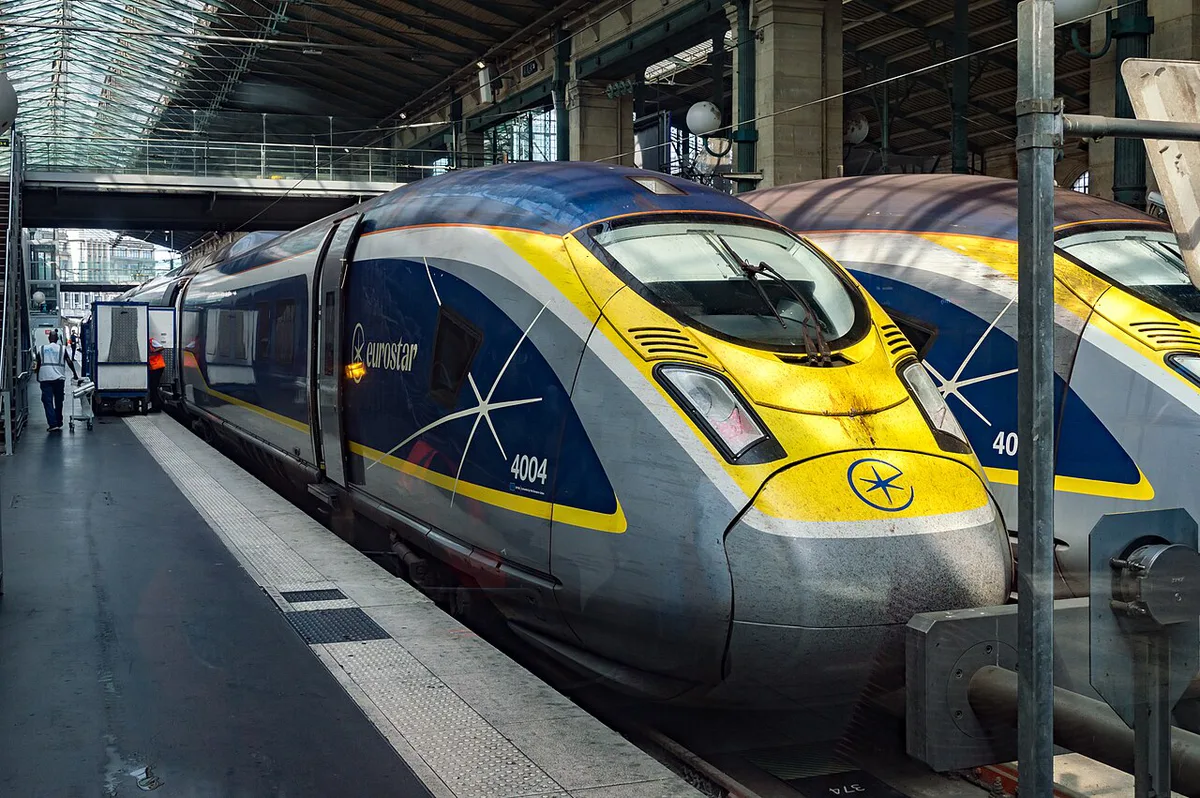
The standard pattern is Paris Nord to Brussels-Midi, then a domestic train to Brugge. Our Paris to Brussels leg guide covers the first half in detail. The second half is covered in our Brussels to Bruges train guide. Some ticket searches return a second change in Ghent, which pushes the trip toward 3 hours. Ghent is worth a stop in its own right, and trains from Brussels to Ghent are straightforward. From there, the Bruges to Ghent hop is short. A direct Paris to Bruges service is not the norm. Journey planners show a change for nearly every itinerary, so treat any direct listing as an exception and check it on the operator's site.
Stretching the trip toward 3 hours, a second change in Ghent sits outside the standard Brussels-Midi pattern.
Changing at Brussels-Midi: what to expect
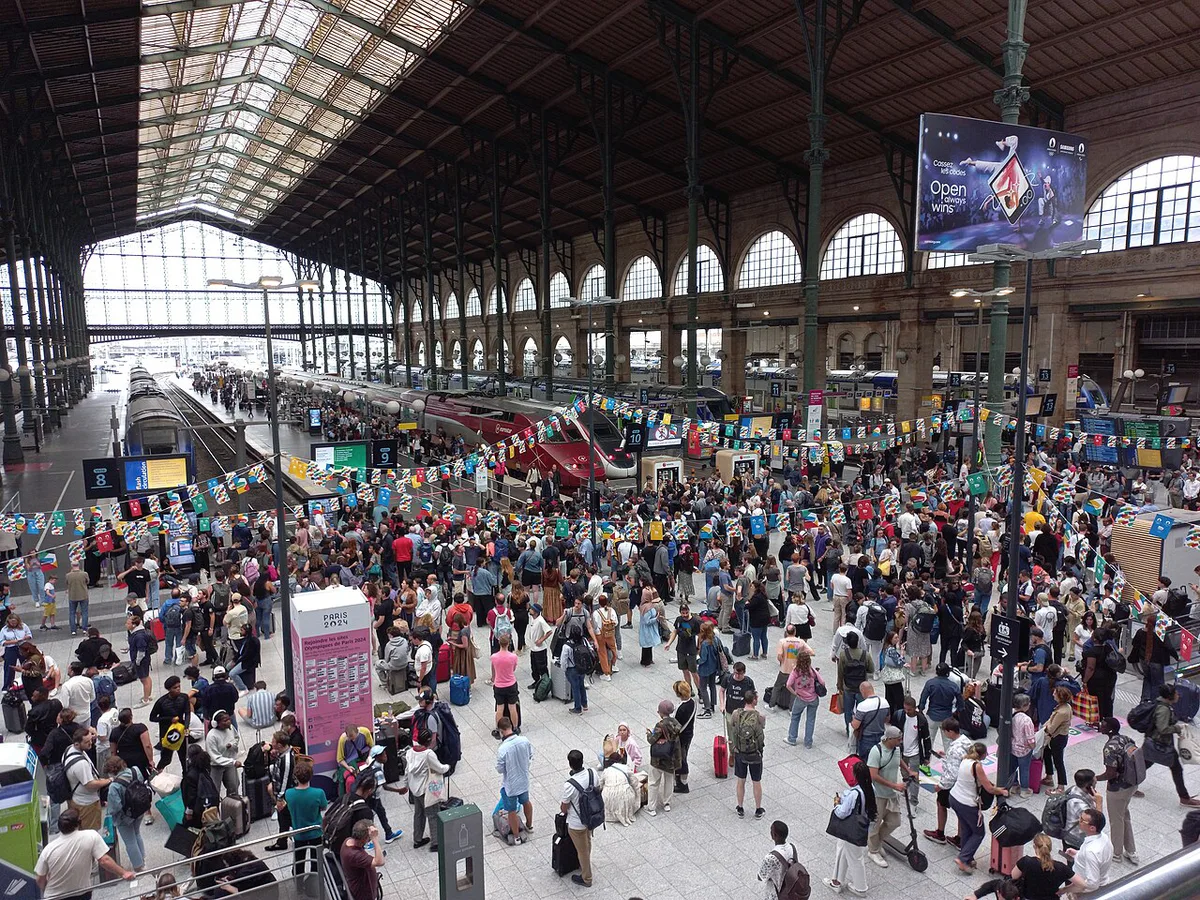
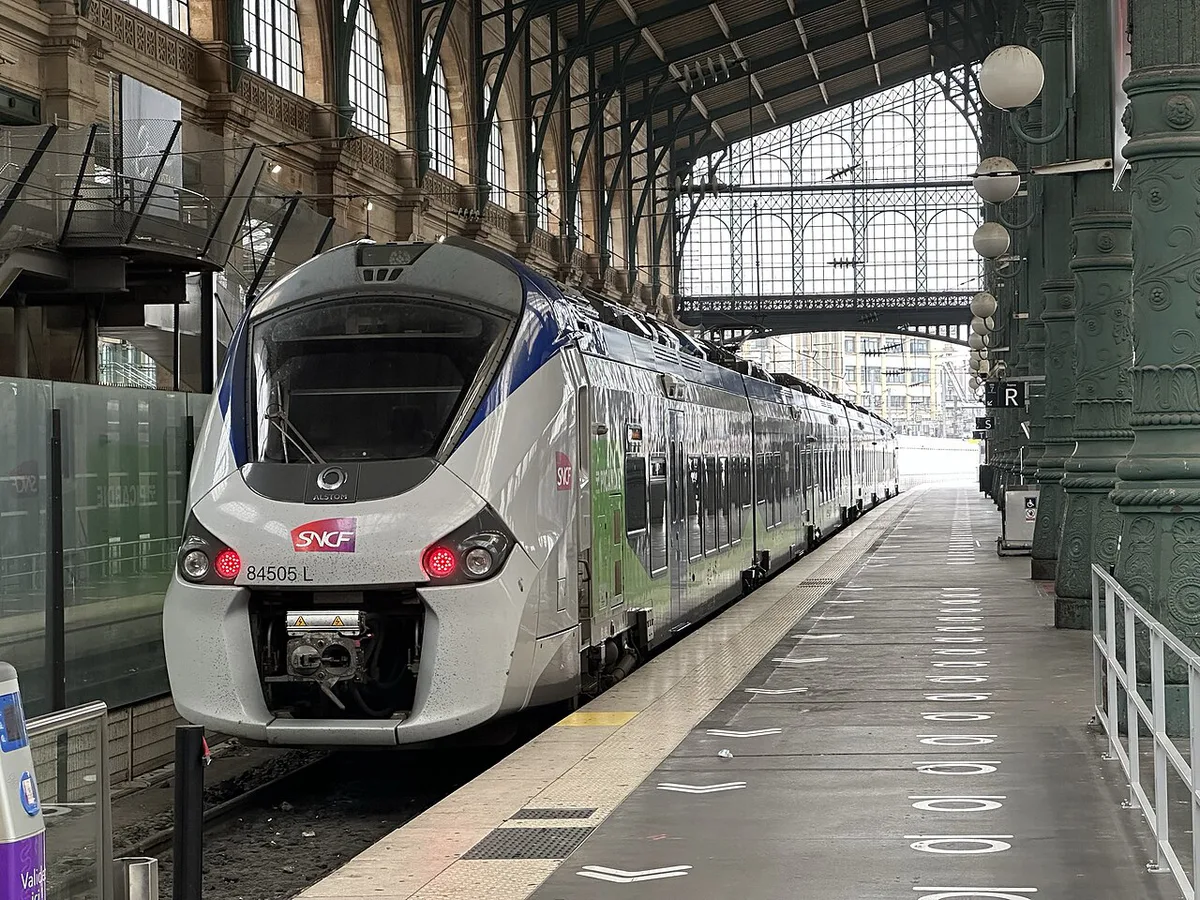
Brussels-Midi is a large station with international and domestic platforms under one roof. Our Brussels-Midi station guide maps the concourse. Allow at least 30 minutes between arrival and your Bruges departure if you hold two separate tickets. Follow the signs for national trains, check the departure board for your platform, and have the destination spelled as Brugge or Bruges. Platforms are often posted only shortly before departure, so stay near the main board. Trains to Bruges leave frequently, so a missed connection usually costs less time than the same mistake on a rarely served route. Under a single through ticket, the operator normally reroutes you. With separate tickets, you may need to buy a new domestic fare.
Tickets: through ticket or two separate tickets
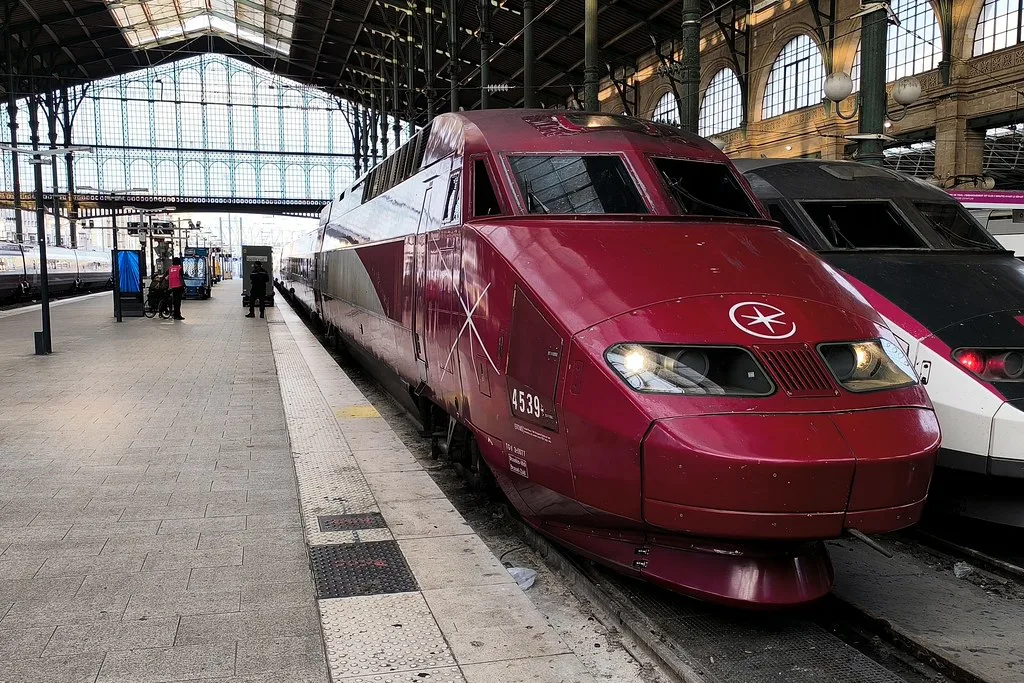
Two operators are involved. Eurostar runs the international leg, and you can read its Eurostar travel information for conditions. The Belgian domestic leg falls under SNCB, and our SNCB domestic ticket guide explains fares. A through ticket covers both legs in one booking, which protects you if the first train runs late. Two separate tickets can be cheaper, because you can book the international leg early and buy the domestic leg on the day. Fares depend on advance purchase and flexibility, so no single price is reliable. Compare both options for your date and decide based on how tight the change is.
- Through ticket: better when the change is under about 30 minutes.
- Separate tickets: better when you leave a generous buffer and want the cheapest fare.
- Booking window: early booking is usually cheaper on the international leg.
- Flexibility: a flexible fare costs more but suits uncertain plans.
Is a day trip from Paris realistic?
A day trip works, but it is tight. With about 2h30 each way, you spend roughly 5 hours on trains before any buffer. Add the 10-minute walk between Brugge station and the centre in each direction. Your real time in Bruges depends on first and last departures, which you should read from the live timetable. As an illustration, an arrival around 10:30 and a 17:30 departure leave about 7 hours in town. Anyone who wants to see more than a handful of sights should stay overnight.
Brugge station sits a 10-minute walk from the centre, so count that walk at both ends before trusting a late return train.
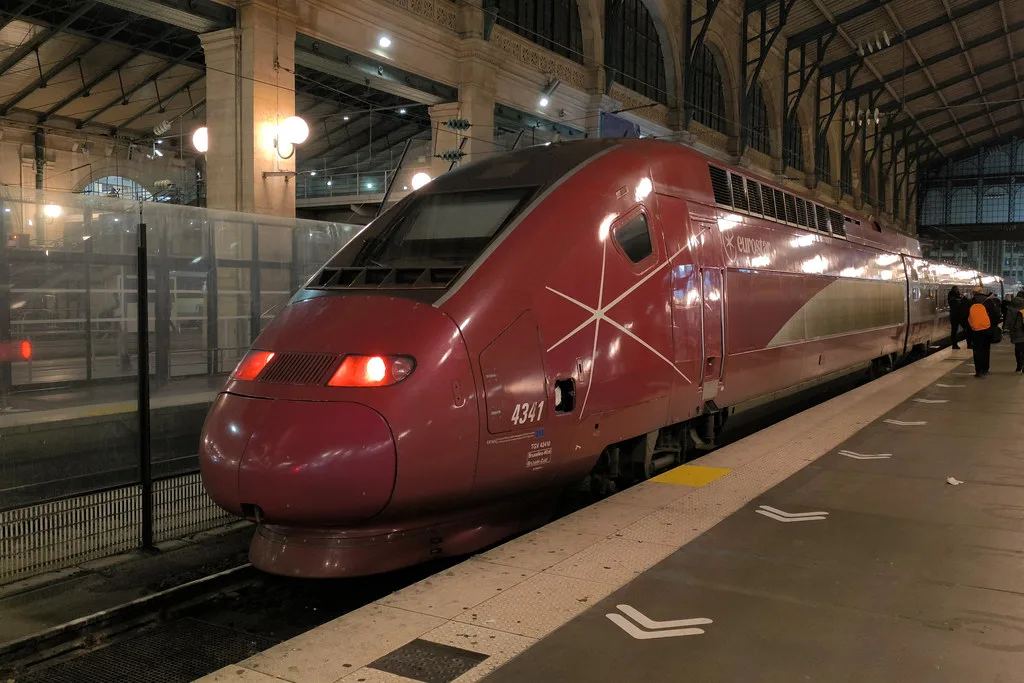
- Outbound journey: about 2h30 with one change.
- Return journey: about 2h30, plus a buffer for the last train.
- Walks to and from Brugge station: about 10 minutes each way.
- Connection buffer: at least 30 minutes at Brussels-Midi on each leg.
- Stay overnight if: you want evenings in town or dislike a long return.
Train vs bus vs car vs guided tour
Rail is the fastest option for most people. Driving the A1 covers about 300 km and takes around 4 hours without traffic, and a bus runs from 4 to 6 or even 8 hours depending on the route and company. Guided tours trade flexibility for a fixed itinerary. Route guides report that the A16 and A1 combination adds about 70 km and about 40 minutes.
| Option | Door-to-door time | Cost basis | Flexibility | Best for |
|---|---|---|---|---|
| Train with change | About 2h30 to 3 hours | Cheaper when booked early | Medium: set departures | Most travelers |
| Car | About 4 hours | Fuel and parking, shared by passengers | High: leave when you like | Groups with luggage |
| Bus | 4 to 6 hours, sometimes 8 | Often the lowest fare | Low: few departures | Tight budgets |
| Guided tour | Set by the operator | Highest, but includes a guide | Low: fixed schedule | First-time visitors |
Arriving in Bruges: station to centre, luggage, accessibility
Brugge station sits about a 10-minute walk from the centre. Streets are cobbled, which slows wheeled luggage, so pack light or carry a soft bag. Luggage storage at the station should be checked before you rely on it. Step-free access at Brussels-Midi and Brugge is worth confirming through Infrabel and the Belgian operator if you need it. The city tourist office lists the route into town on Visit Bruges.
Mistakes to avoid and disruption planning
Strikes and engineering works can affect either network, especially at peak times. Peak days also fill trains, so book early. Check live status pages on the day rather than relying on a printed plan.
- Booking separate tickets with a tight change at Brussels-Midi.
- Assuming Paris Nord is the only Paris option without checking.
- Leaving no buffer for the last return train.
- Building a full itinerary around one departure time.
What to do with limited time in Bruges
Focus on a short walking loop. Start at Burg Square, home to the Basilica of the Holy Blood. Climb or admire the Belfry on the Markt, then visit the Groeninge Museum for Flemish painting. Finish at the Church of Our Lady on Mariastraat. Opening hours and entry fees change, so read them on the venue sites or the Bruges tourism site before you go.
Frequently Asked Questions
What is the easiest way to get to Bruges from Paris?
Train is the easiest option for most visitors. Ride from Paris Nord to Brussels-Midi, then take a domestic train to Brugge station. Total time is about 2h30 with one change.
How long does it take to drive from Bruges to Paris?
Expect around 4 hours for roughly 300 km on the A1 in normal traffic. Combining the A16 and A1 adds about 70 km and about 40 minutes.
How often do trains run between Bruges and Brussels?
Services are frequent on this domestic route, but exact intervals change by day and season. Check the live SNCB timetable for your date, or read our Brussels to Bruges guide.
Rail notes for your next trip
Optional updates when our rail guides change.
Related guides
More guides
Picked from the same area