
Flying Scotsman: The Locomotive, the Train and How to See It
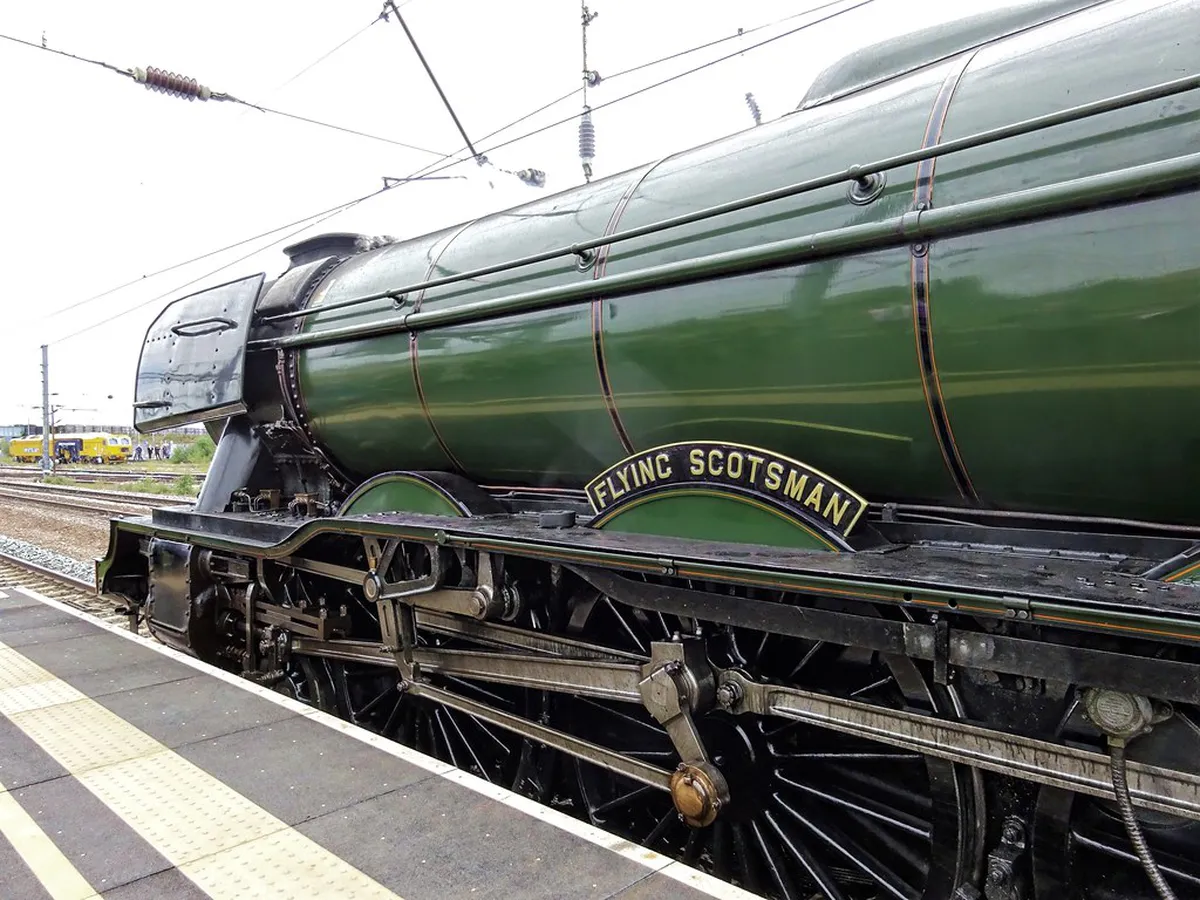
Last updated November 2026: the Flying Scotsman is a steam locomotive, LNER Class A3 No. 4472, built at Doncaster in 1923. It is owned by the National Railway Museum in York, and the same name also belongs to a daily London–Edinburgh train. This guide explains which one you mean and how to see or ride each.
Featured image: Donnchadh H, CC BY 2.0, via Flickr.
What Is the Flying Scotsman?
Two different things share the name. One is a steam engine, and the other is an electric-era express between London King's Cross and Edinburgh Waverley. The engine was named in February 1924 after that express. Most people searching want the engine, which is a museum-owned national collection piece rather than a place you can simply turn up and visit.
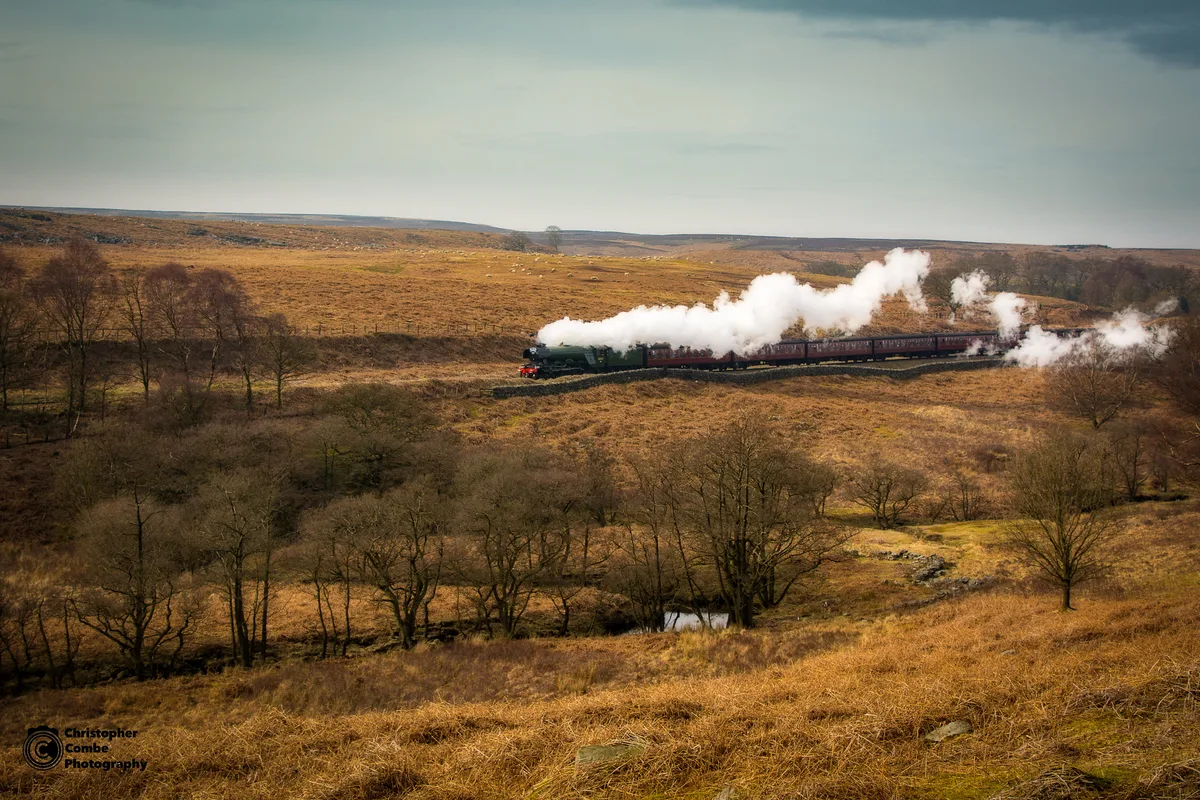
- Locomotive: LNER Class A3 4-6-2 "Pacific", numbered 4472 under the LNER and 60103 under British Railways.
- Built: 1923 at Doncaster Works, to a design by Sir Nigel Gresley.
- Owner: the National Railway Museum, which bought it in 2004.
- Records: the first non-stop London–Edinburgh run on 1 May 1928, covering 392 miles.
- Speed: officially authenticated at 100 mph on 30 November 1934.
- Return to service: 2016, after a long museum restoration.
Flying Scotsman Locomotive vs Train: Which Do You Mean?
Pick the row that matches your goal before you book anything. Ticket prices change, so check the current fare or ticket price with each operator.
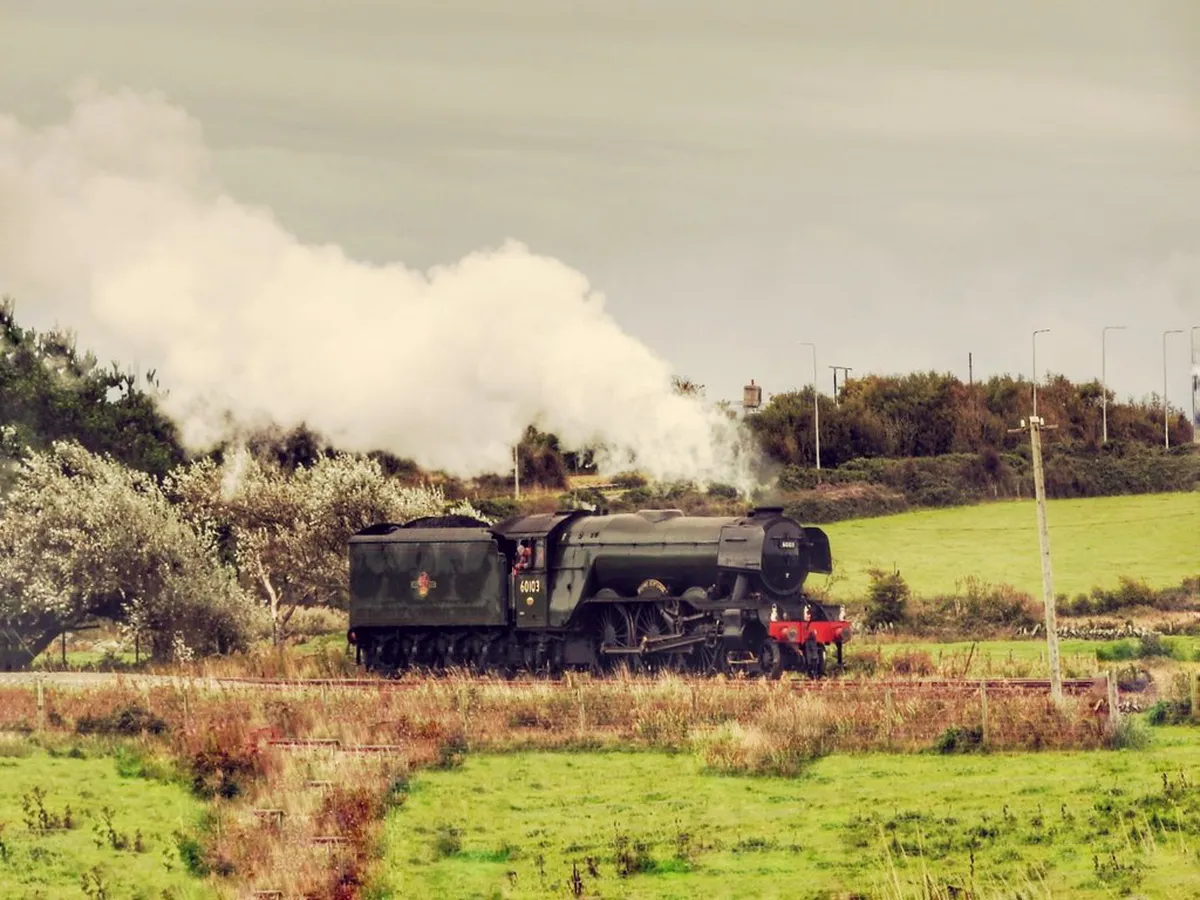
| Steam locomotive on a heritage railway | A close look at 4472 or a ride behind it, on event days only | Host railway's own event page | Variable, special-event pricing | Photographers and steam fans who can plan ahead |
| Mainline steam charter | A long scenic journey behind a steam engine on national track | Charter operator's booking page | Variable, often sells out early | Travellers wanting a full-day steam trip |
| National Railway Museum, York | Rail collection and engine history, with the locomotive not guaranteed on view | Museum's official site | Price varies | Rainy-day history visits |
| LNER Flying Scotsman train | A scheduled London–Edinburgh express, hauled by a modern electric-diesel train | National Rail or LNER booking | Variable fares, set by booking date | Everyday travel between the capitals |
A Short History Worth Knowing
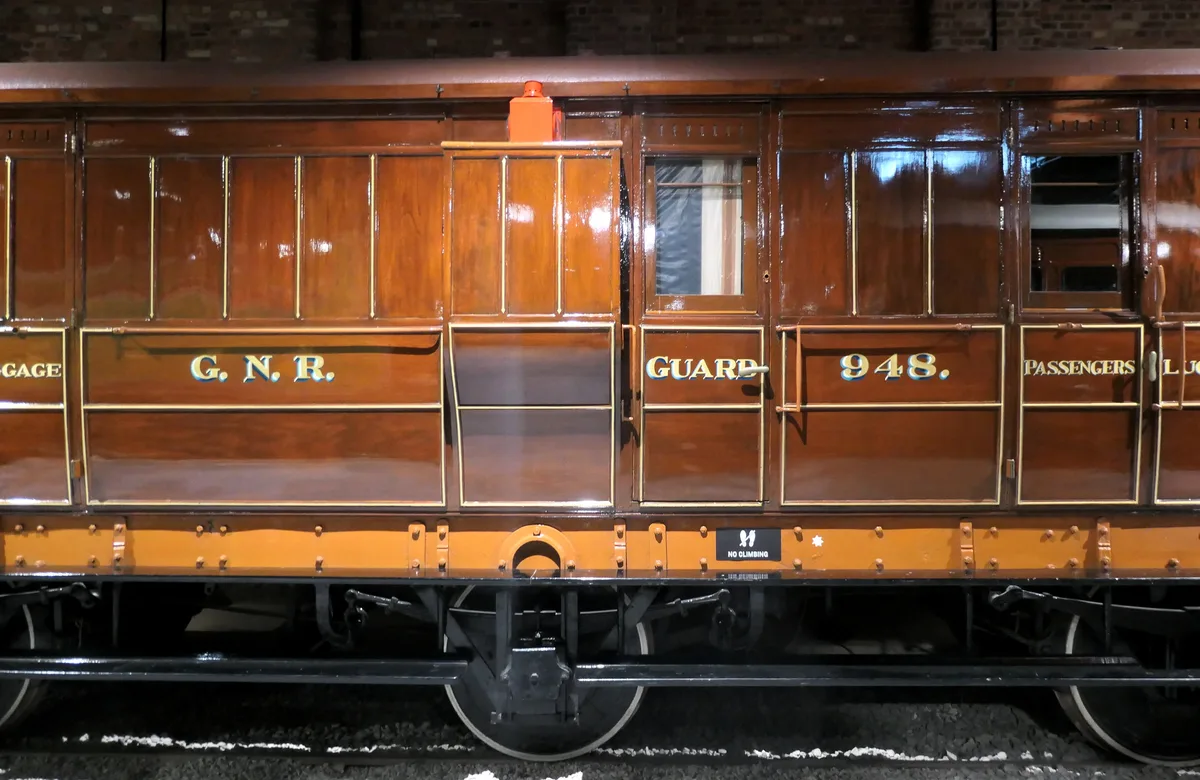
Doncaster Works completed the engine in 1923, and it entered service on the new LNER. It took the name Flying Scotsman in 1924 and appeared at the British Empire Exhibition at Wembley that year. On 1 May 1928 it hauled the first non-stop London–Edinburgh service, 392 miles without a stop. A change of crew mid-journey was possible through a corridor tender. On 30 November 1934 it became the first steam locomotive officially authenticated at 100 mph. British Railways withdrew it in January 1963, and a private owner bought it to avoid scrap. After several private owners, the National Railway Museum bought it in 2004 following a public appeal. A ten-year overhaul ended in 2016, and the engine returned to heritage lines and the national mainline.
That 392 miles ran without a stop in 1928, so a daily train that calls at York is a different journey from the original record run.
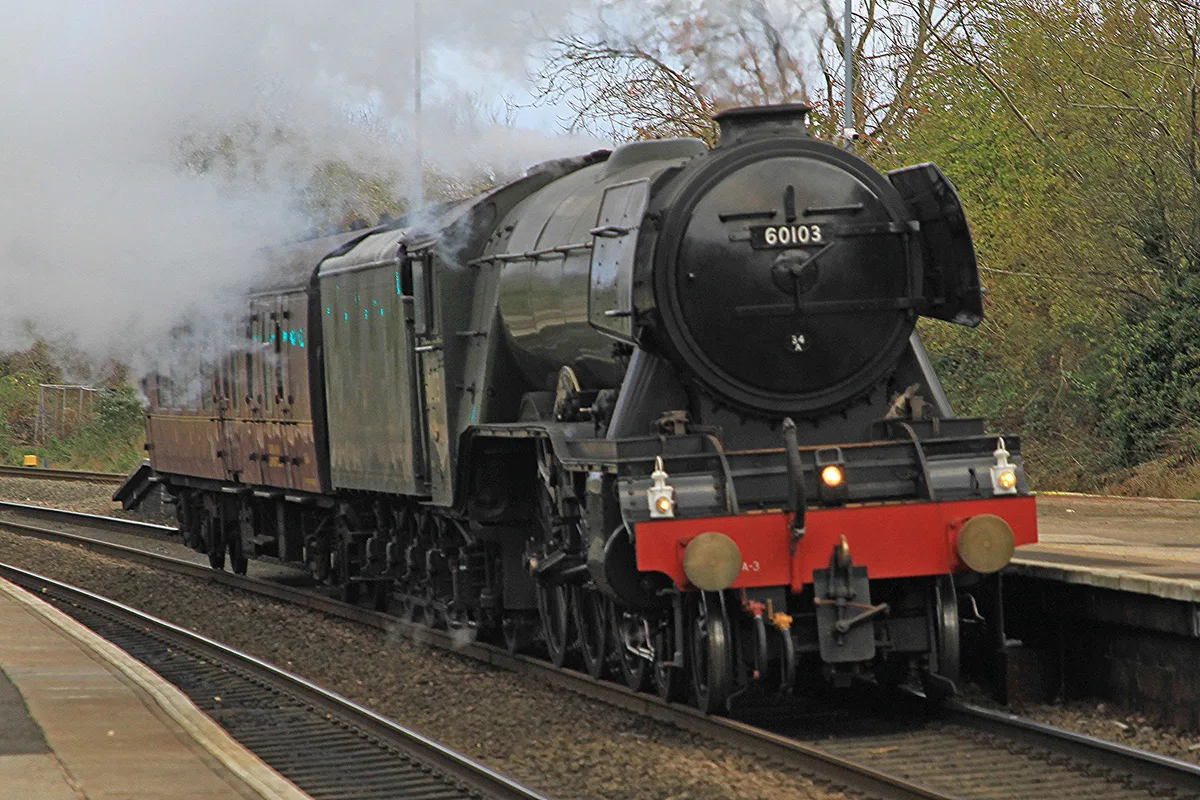
How to See the Flying Scotsman Locomotive
The engine's location changes. It can be in service, on tour or in maintenance. For the official collection record, start with the Science Museum Group, which runs the National Railway Museum. Then read the event page of any railway that says it is hosting the engine, because a visit is usually limited to a few days. East Lancashire Railway, for example, states its last visit was in March 2023. Use that as a reminder that past visits are not a schedule.
- Museum visit: lowest cost and most flexible, but the engine may be away or under repair.
- Heritage gala or visiting-engine event: strong chance of seeing it if the date is fixed, but tickets can sell out early.
- Mainline steam charter: the longest steam ride and the most scenic, with the highest cost and the longest booking lead time.
- Daily LNER train: easy and flexible, but the locomotive never pulls it.
- Whichever route you choose, book as soon as the operator publishes the date.
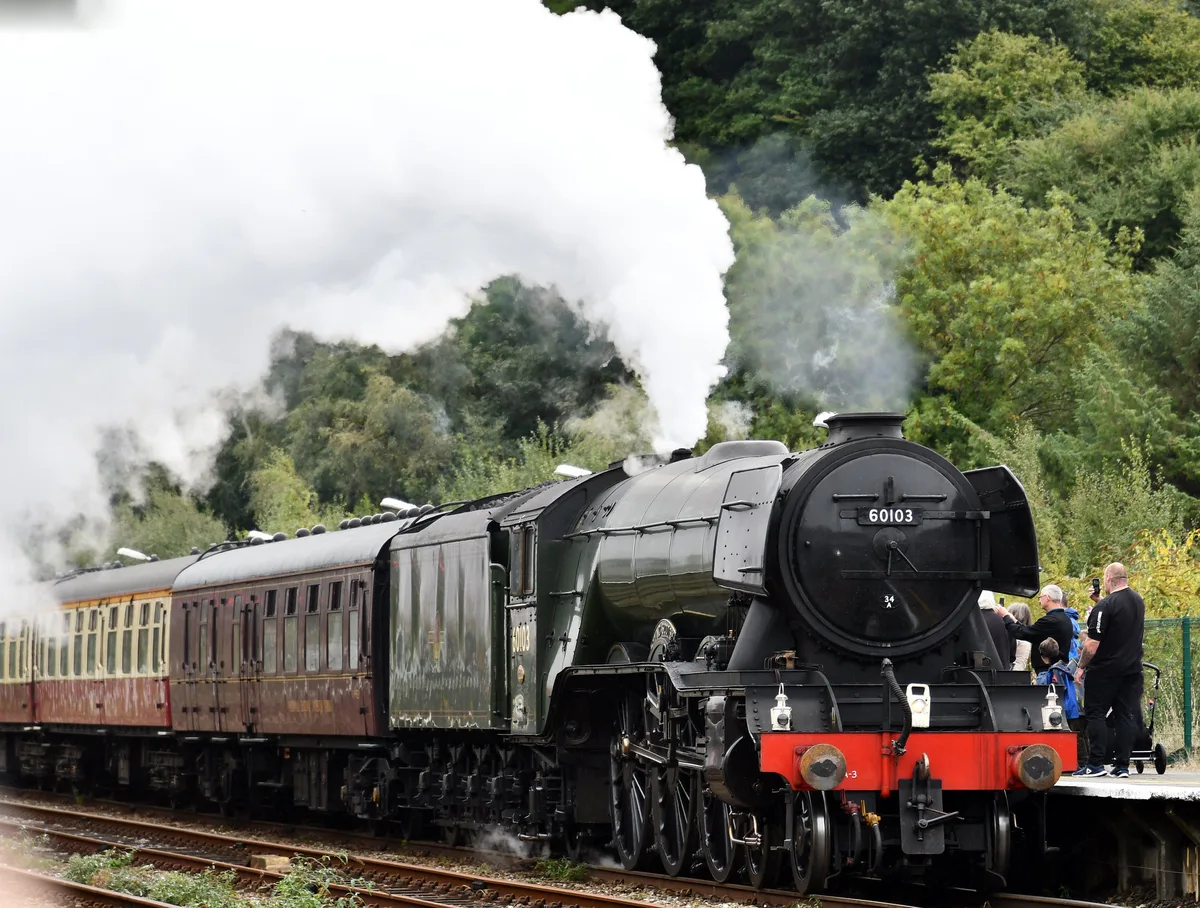
How to Ride the Flying Scotsman Train
Today's Flying Scotsman is a scheduled LNER service on the East Coast Main Line between London King's Cross and Edinburgh Waverley. It started calling at York from 14 December 2025, which lengthened that journey to 4 hours 13 minutes. From the May 2026 timetable, the name returned in both directions. The 10:00 from Edinburgh to London is timetabled at 4 hours 11 minutes. The 10:30 from London to Edinburgh is timetabled at 4 hours 9 minutes. Timetables change, so check the current times on National Rail Enquiries before booking. Advance fares are usually released in batches, so book early for the lowest fare. LNER also rebranded the service as the Flying Scotswoman for International Women's Day on 6 March 2020.
Timetabled at 4 hours 9 minutes, the 10:30 from London is the daily train, not a steam trip, so plan it as an everyday journey.
Plan a Steam Day Out Around It
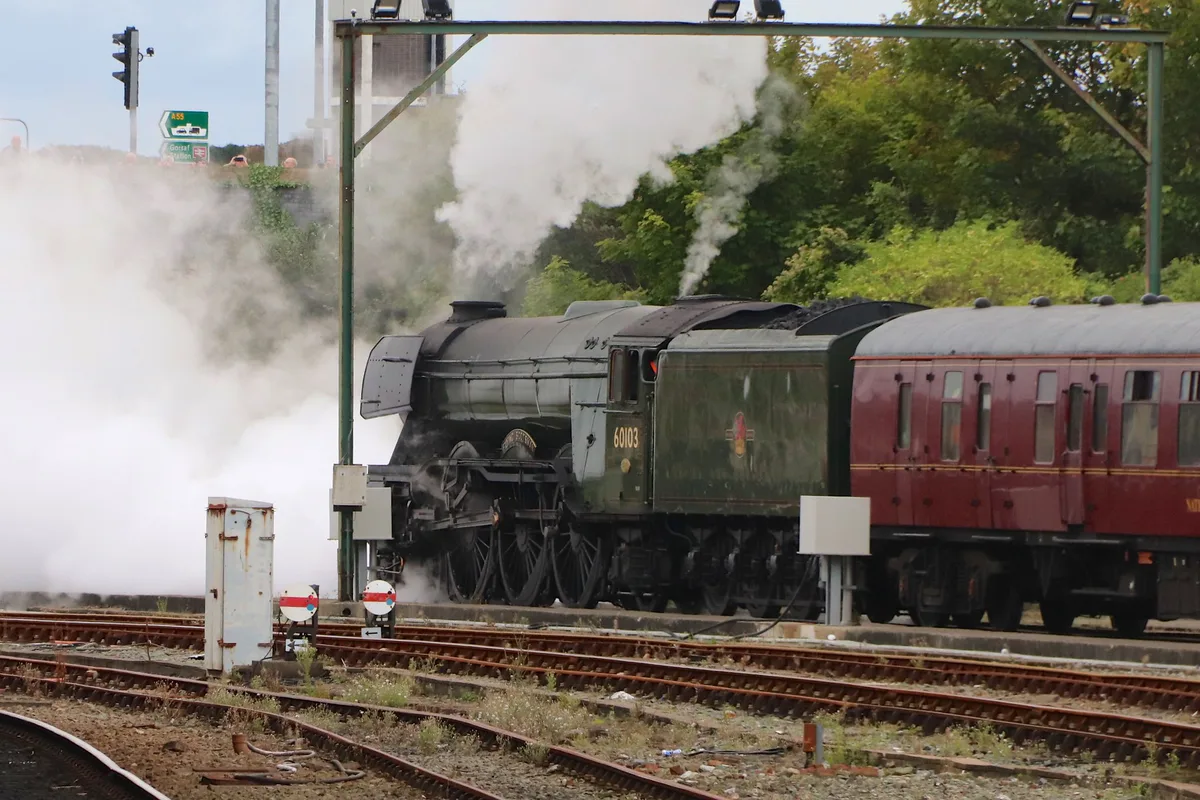
If the engine is not running when you travel, a heritage railway still gives you the sound and smell of steam. The UK heritage railway guide compares lines by region and trip length. In northern England, the North Yorkshire Moors steam line is a long scenic day out, and its own timetable shows which locomotives run. In Wales, the Ffestiniog narrow-gauge line offers a different steam experience. The Welsh Highland narrow-gauge route is another option. These are narrow-gauge lines and the Flying Scotsman is a standard-gauge mainline engine, so treat them as other steam experiences rather than places to find it. The Heritage Railway Association is a useful starting point for locating railways and events.
Common Mistakes and Planning Tips
Most disappointments come from mixing up the engine and the train. Do not assume the daily LNER service is hauled by steam, because it is not. Do not travel to a heritage railway until the operator names the engine for your date. Do not confuse the officially authenticated 1934 record of 100 mph with the unofficial claim made for City of Truro in 1904. Be careful with older blog posts, since appearance schedules go out of date quickly. Treat gala tickets and charter seats as sell-out items, and book when the operator announces them. Build in a spare day if a long journey depends on a single steam-hauled departure.
Flying Scotsman in Popular Culture
The engine has appeared in documentaries, including the 2000 Channel 4 programme A Steamy Affair: The Story of Flying Scotsman. It also features in books, posters and railway-themed television. Its fame is one reason heritage railways advertise visits heavily.
Frequently Asked Questions
Is the Flying Scotsman still going?
Yes, in two forms. The locomotive is owned by the National Railway Museum and runs on selected dates. The named LNER train between London and Edinburgh runs in both directions from the May 2026 timetable.
How much does it cost to go on the Flying Scotsman train?
LNER fares vary with the booking date and the time of day. Check the current fare on National Rail Enquiries or LNER before you travel. Booking earlier is generally cheaper.
Where will Flying Scotsman be in 2026?
There is no fixed public timetable for the engine. Check the National Railway Museum and the event pages of host railways for confirmed dates. Do not rely on older blog posts.
Why is Flying Scotsman so famous?
It hauled the first non-stop London–Edinburgh service on 1 May 1928. On 30 November 1934 it became the first steam locomotive officially authenticated at 100 mph. A public campaign then helped the National Railway Museum buy it in 2004.
Rail notes for your next trip
Optional updates when our rail guides change.
Related guides

More guides
Picked from the same area