
Edinburgh to Aberdeen Train: Times, Tickets & Tips
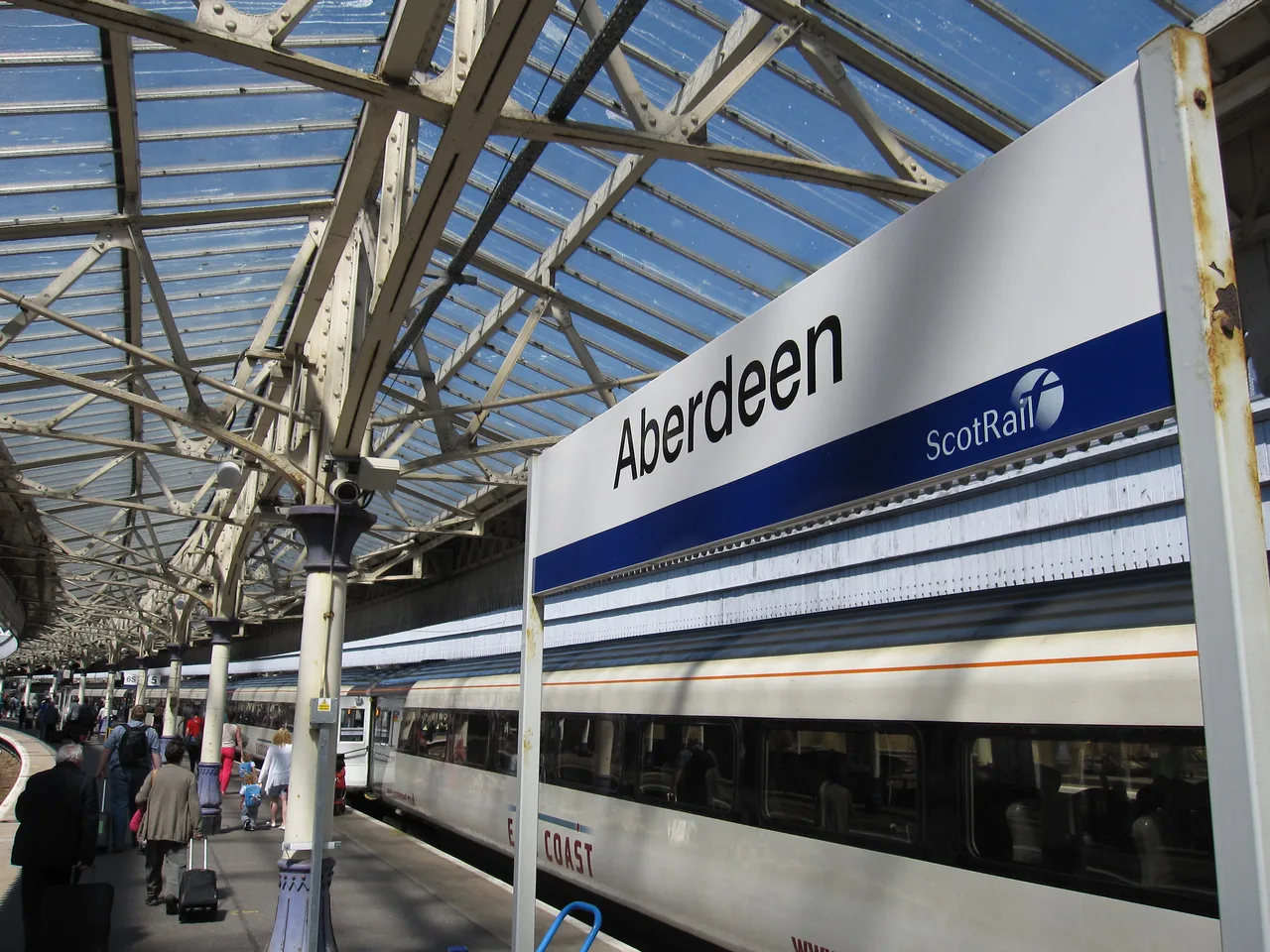
Last updated November 2026: the Edinburgh to Aberdeen train runs direct from Edinburgh Waverley in about 2.5 hours, over roughly 150 km. ScotRail operates the route across the Forth Bridge, with stops including Kirkcaldy, Dundee, Arbroath and Stonehaven. Buy through ScotRail's own booking site, then use this guide to choose a ticket, read the timetable and plan the day.
Featured image: Bernt Rostad, CC BY 2.0, via Flickr.
Quick answer: Edinburgh to Aberdeen by train
Yes, direct trains run from Edinburgh Waverley to Aberdeen. Typical journeys take about 2.5 hours, and the fastest services take about 2h20. ScotRail runs the route, and CrossCountry also serves the corridor from England. Trains leave Waverley, cross the Forth Bridge into Fife, then follow the east coast north through Dundee and Arbroath. They finish at Aberdeen station on Guild Street. The distance is roughly 150 km. Expect a long but easy ride with no need to change in most cases. For live times and fares, use National Rail Enquiries and pick your exact date. Fares move with demand, so this guide describes ticket types instead of quoting prices.
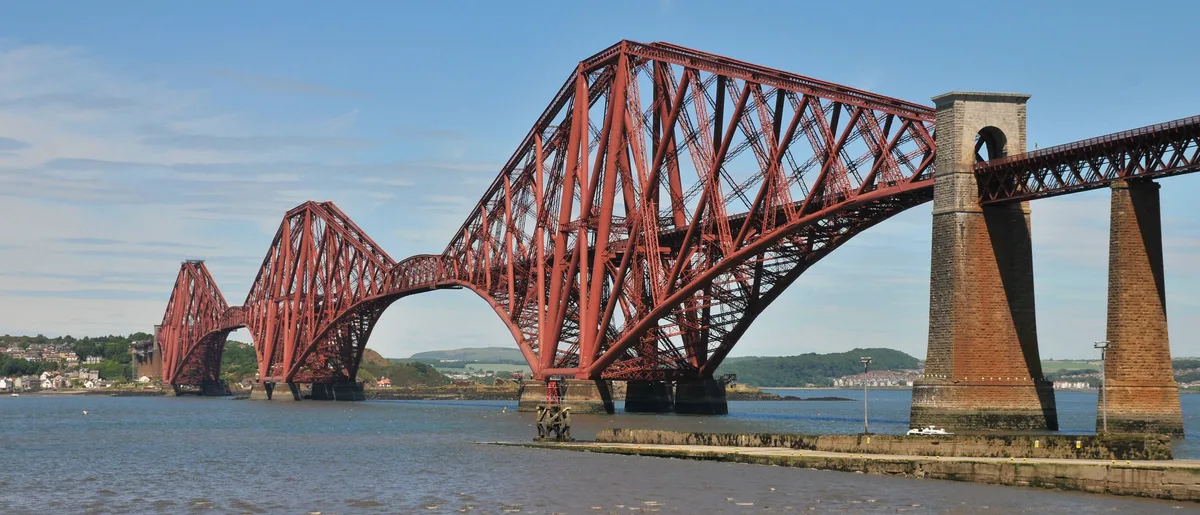
- Journey time: about 2.5 hours typically, fastest about 2h20
- Distance: roughly 150 km
- Operator: ScotRail, with CrossCountry also on the corridor
- Departs from: Edinburgh Waverley
- Arrives at: Aberdeen station, Guild Street
- Best way to buy: the operator's site or National Rail Enquiries
Edinburgh to Aberdeen train times and frequency
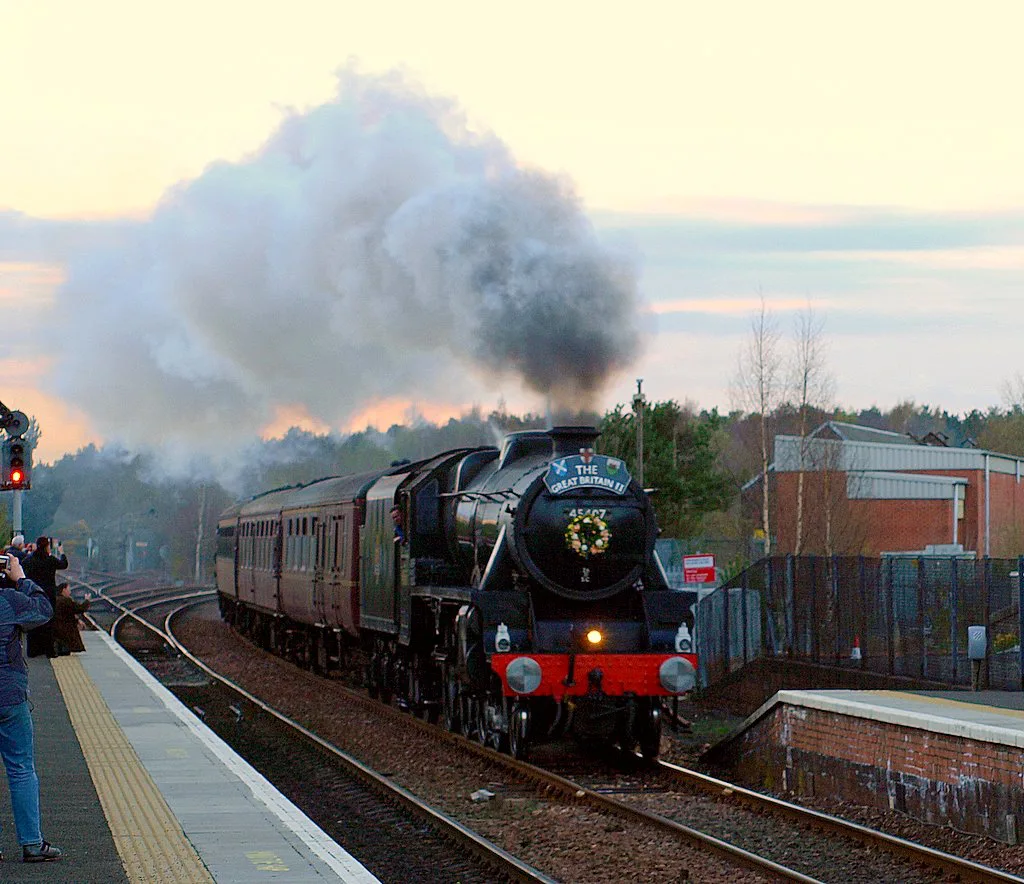
Direct trains on this route take roughly 2h20 to 2h42 depending on the stopping pattern. Services with a change usually take longer, at about 2h46 to 3h18. Departures are roughly hourly through much of the day. Weekday, Saturday and Sunday patterns differ, so a train that exists on Tuesday may not run on Sunday. This guide gives no first or last train times, because they change by date and by season. Early starts and late finishes are the services most likely to vary. Choose your travel date in the journey planner and read the full list before you plan a same-day return. Engineering works also reshape weekend timetables, so look at the notices for your date. Network Rail publishes upgrade and closure information for planned disruption.
- Direct services: about 2h20 to 2h42
- Services with one change: about 2h46 to 3h18
- Frequency: roughly hourly in daytime, varying by day
- Sundays and bank holidays: expect a different pattern
Which ticket should you buy?
Ticket choice changes the price more than the train does. Most fares on this route fall into four types, compared below. Advance tickets are tied to one named train and are normally the cheapest option. They are usually released about 12 weeks ahead, though release dates vary by route and operator. Off-Peak fares suit travellers who can avoid the morning rush. Anytime fares cost more but let you board any train that day. A Railcard typically takes around a third off most fares, subject to its own conditions. Check the minimum fare and time restrictions on the Railcard's official page. Split ticketing means buying two or more tickets for one journey, and it is legal. You stay on the same train, and the saving varies by date, so it is sometimes zero. Booking through a reseller can add a booking fee. Buying directly from the operator or a retailer that shows fees up front avoids surprises.
Advance fares are usually released about 12 weeks ahead, so book early if you want the fastest 2h20 direct run.

| Ticket type | Flexibility | Best for | Caveat |
|---|---|---|---|
| Advance | Fixed to one named train | Planned trips with a firm date | Limited quantities; changes may cost extra |
| Off-Peak | Any off-peak train, with time limits | Leisure travel outside the rush | Not valid on some morning trains |
| Anytime | Any train that day | Business trips or uncertain plans | Usually the highest fare |
| Railcard discount | Applies on top of eligible fares | Eligible young, senior or family travellers | Conditions apply to price and time |
Direct train or one change?
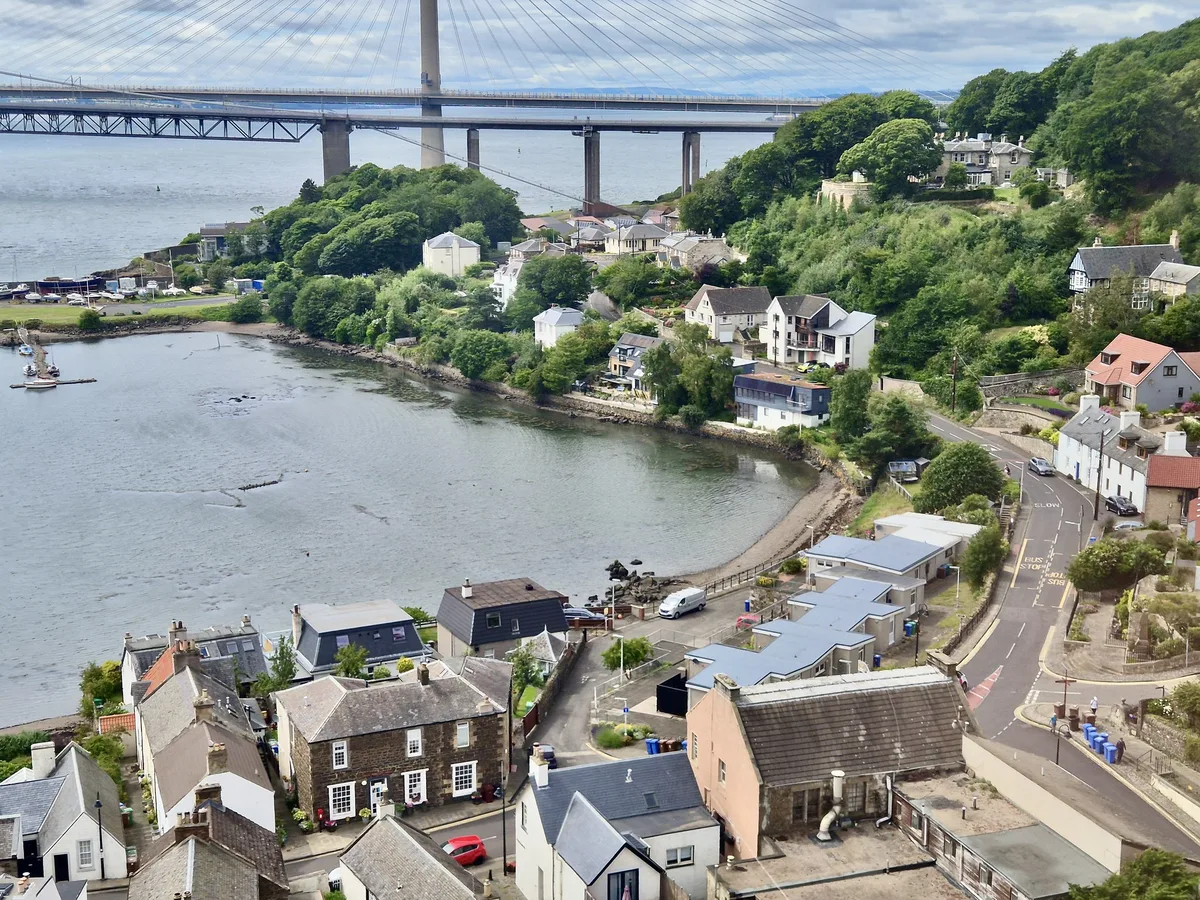
Search results show direct trains and one-change options side by side. A direct train keeps you in one seat for the whole ride. A change adds a connection risk, and in most searches it does not save time. Use the checklist below when the planner offers both. Booking both legs on one ticket usually protects you if the first train runs late. Separate tickets do not, so ask yourself how much slack you have. Look at the arrival time as well as the journey length, because a one-change train that arrives soon after a direct one gives you nothing back.
One-change trips run about 2h46 to 3h18, and separate tickets leave you exposed if the first train is late.
- Business day-return: pick the direct train that gets you there earliest.
- Leisure with luggage: pick direct, to avoid carrying bags across a platform change.
- Budget and flexible: compare the cheapest direct against any change, then check the saving is real.
- Tight onward plans: avoid changes unless the planner shows a generous connection time.
Edinburgh Waverley and Aberdeen station: what to know on the day
Edinburgh Waverley Station Guide: Exits, Facilities, Links is a large station, and platform numbers often appear on the departure boards only shortly before departure. Arrive early enough to read the board and walk to the platform without rushing. Waverley links to Edinburgh Airport by tram and bus, which helps if you are starting a trip from the airport. Aberdeen station sits on Guild Street, close to the harbour and Union Square. Many central hotels are within walking distance, which suits travellers with bags. Passenger Assist can be booked through National Rail for step-free help at both ends. Arrange it in advance for the journey you plan. Both stations have ticket offices, so you can sort out problems in person if needed.
The journey itself: what you pass
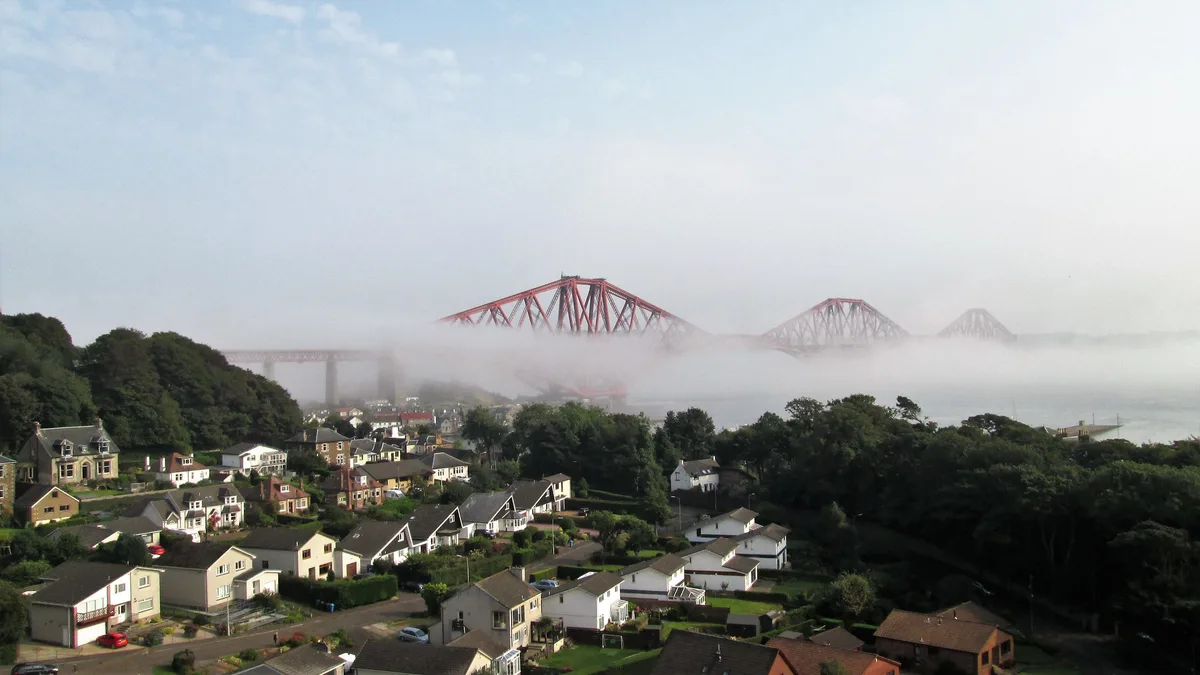
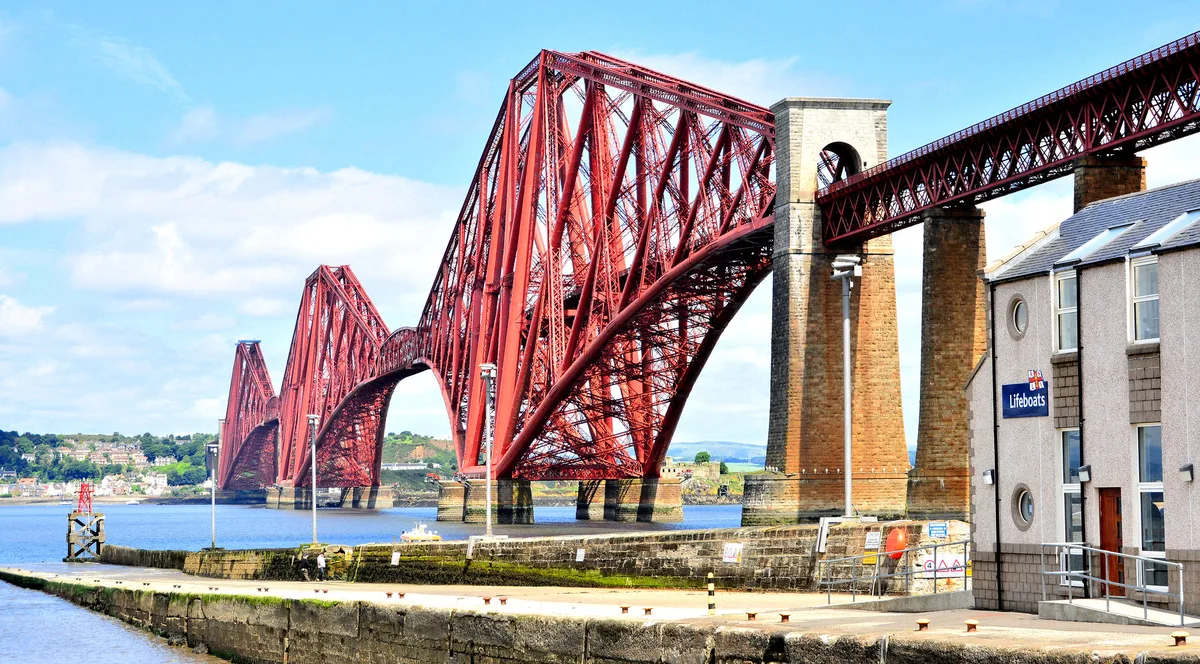
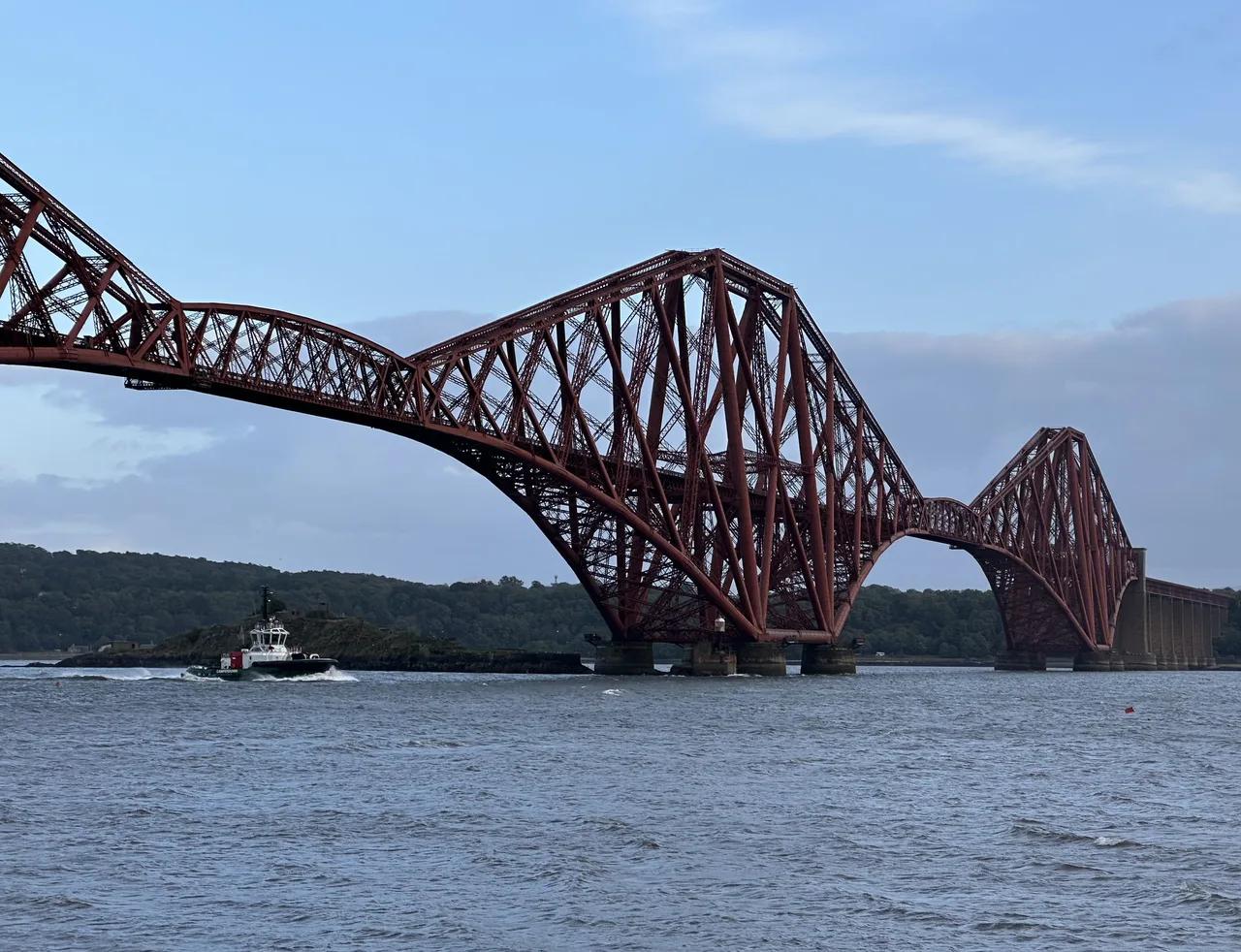
Leaving Waverley, the train heads north and crosses the Forth Bridge into Fife. Kirkcaldy is the first major stop on the Fife side. The line then crosses the Tay to reach Dundee. Beyond Dundee come Arbroath and Montrose, where the track runs near the North Sea coast. Stonehaven is the last stop before Aberdeen. Sit on the east side for sea views on the coastal sections, though the exact best side depends on the direction of travel. Keep an eye on the weather forecast, because winter services can face disruption. For wider planning, our Scotland by train guide covers other routes.
Train vs coach, car or flight
A coach is often cheaper but tends to take longer. Driving gives flexibility for stops along the coast, though you pay for fuel and parking at the Aberdeen end. A flight saves air time but adds airport transfers at both ends. For most travellers heading city centre to city centre, the train wins on simplicity. You get a table, a power socket on many services and no parking to find. If you are coming from London, the Caledonian Sleeper Guide: Routes, Rooms, Tickets & Is It Worth It is a long-distance alternative to consider. Check operator sites for current coach and flight options.
Onward from Aberdeen
Dyce is the station for Aberdeen Airport, and it is on the corridor served from Aberdeen. Check your timetable for the exact services. Stonehaven is the usual stop for Dunnottar Castle, so many travellers break the journey there on the way north or south. If you are heading further into the Highlands, compare this trip with our Edinburgh to Inverness train guide. For central Scotland, our Edinburgh to Glasgow train guide covers the frequent shuttle between the two cities. Both are useful if you are building a longer rail itinerary.
Is Aberdeen a realistic day trip from Edinburgh?
Yes, but it is a long day. A typical direct journey takes about 2.5 hours each way. The fastest direct services take about 2h20. That makes a day trip practical if you choose direct trains and keep your plans near Aberdeen city centre.
Aberdeen station is on Guild Street, close to Union Square and the harbour. You can spend the middle of the day exploring central areas without arranging another long transfer. Stonehaven and Dunnottar Castle are better saved for an overnight visit or a separate trip. Adding them creates a tighter schedule and depends on the onward timetable.
Check your exact outward and return services before committing to reservations or tours. Timetables differ on weekdays, Saturdays and Sundays. Weekend engineering work can also change the usual pattern. Choose a return with enough margin for a delayed arrival, particularly if you book an Advance ticket tied to one train.
Frequently Asked Questions
How long is the train ride from Aberdeen to Edinburgh?
Direct trains take about 2.5 hours, and the fastest take about 2h20. Services with a change run longer, at up to roughly 3 hours.
Is there a train from Aberdeen to Edinburgh Airport?
Trains from Aberdeen run to Edinburgh Waverley. From there you can continue to Edinburgh Airport by tram or bus. Check National Rail for any other connection on your date.
Rail notes for your next trip
Optional updates when our rail guides change.
Related guides
More guides
Picked from the same area